Education Through Work at the Human Rights Center Cottbus: Making GDR Injustices Visible
Date and Time
Location
Price
About this Event
Mood
Venue Type
When a Label Decided a Life: GDR Injustices at the Cottbus Human Rights Center
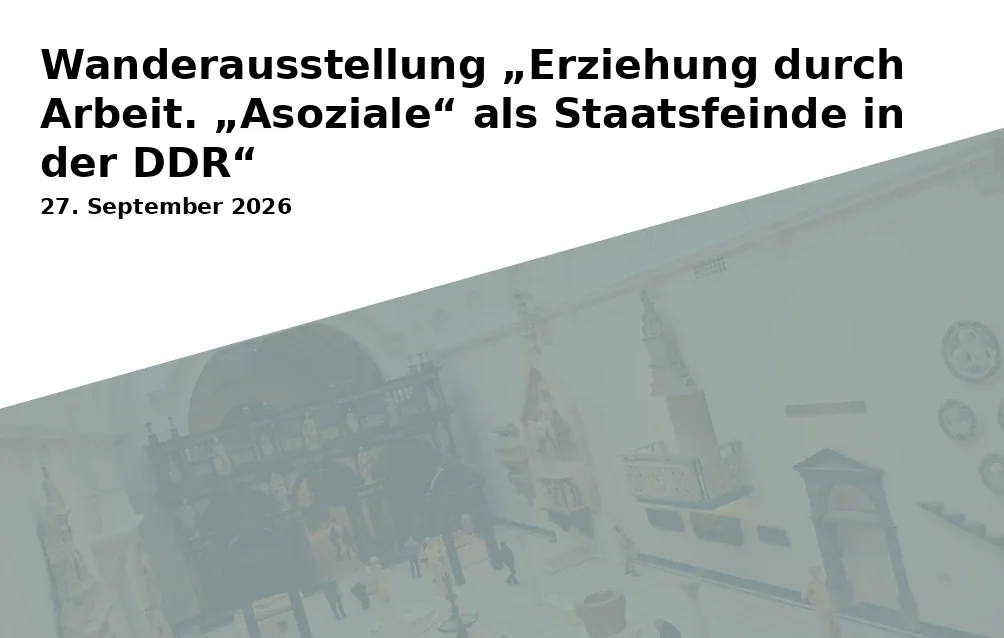
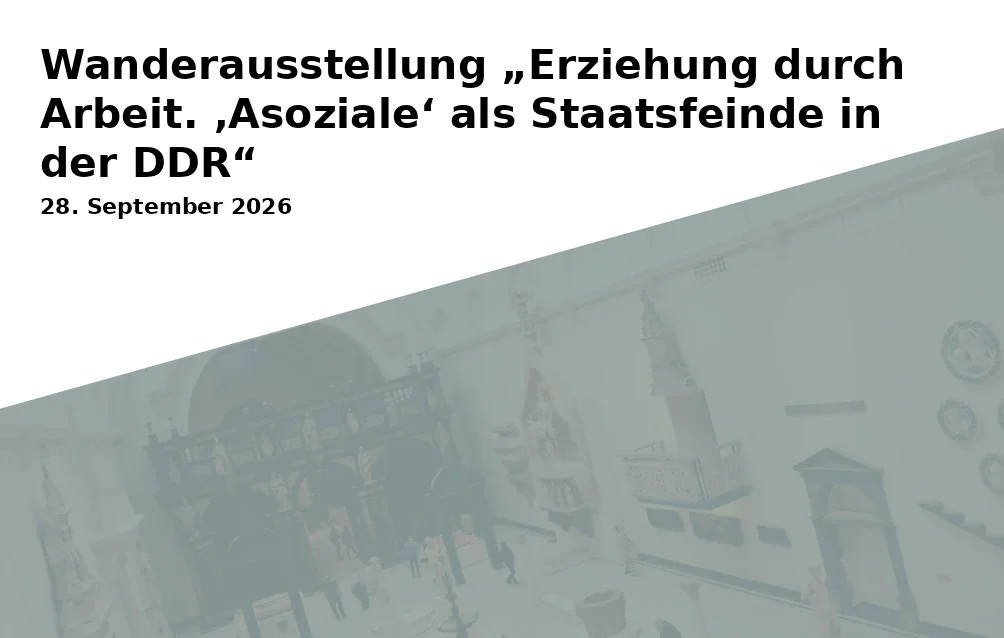
The traveling exhibition "Education Through Work: 'Asocials' as State Enemies in the GDR" sheds light on a long-suppressed chapter of GDR history. At the Human Rights Center Cottbus, it becomes evident how people were systematically marginalized, disciplined, and criminalized if they did not conform to the state-propagated ideal image of the socialist person.
Fourteen Life Paths Between Stigmatization and Imprisonment
At the center of the exhibition are fourteen portraits of women and men whose life paths were shaped by the so-called Asocial Paragraph 249 of the GDR Criminal Code. Perceived reluctance to work, an unconventional lifestyle, prostitution, political deviation, or job loss could lead to state marking as "asocial." The exhibition shows how a derogatory term became an instrument of social control and criminal prosecution.
Photographs, Documents, and Moving Testimonies
The curation connects historical photographs and documents with film testimonies and expert interviews, as well as additional film material. This connection creates a compelling exhibition atmosphere: documents become traces of personal fates, images become testimonies of state power, and the voices of those affected turn into an important counter-archive of GDR history.
Historical Context of Political Repression
The exhibition places Paragraph 249 within larger historical contexts. Its precursors in the German Empire, Nazism, and early GDR are addressed, as well as ideological role models in Czechoslovakia and the Soviet Union. For the understanding of the work, this means: Not an isolated law is the focus, but a web of administration, media, justice, and societal norming.
An Authentic Place of Remembrance
The Human Rights Center Cottbus with the Memorial Site of Cottbus Prison enhances the impact of the exhibition. The historical environment transforms the aesthetic experience into a moral and political engagement. Spaces, materials, and documents illustrate how closely cultural education, memory culture, and the question of human dignity are intertwined.
Conclusion: Seeing History, Understanding Responsibility
Visitors can expect a factually precise, emotionally compelling exhibition about exclusion, state control, and the long-term consequences of stigmatization. "Education Through Work" makes individual life stories visible and sharpens the awareness of the dangers of political labeling. A visit to the Human Rights Center Cottbus enriches cultural education and opens up a sustainable aesthetic experience at the authentic place of remembrance.
Official Channels of the Human Rights Center Cottbus and Exhibition:
- Instagram: no official profile found
- Facebook: no official profile found
- YouTube: no official profile found
- Website: no official profile found