Education through Work at the Human Rights Center Cottbus: Making GDR Injustice Visible
Date and Time
Location
About this Event
Mood
Venue Type
When a label determined a life: GDR injustice in Cottbus
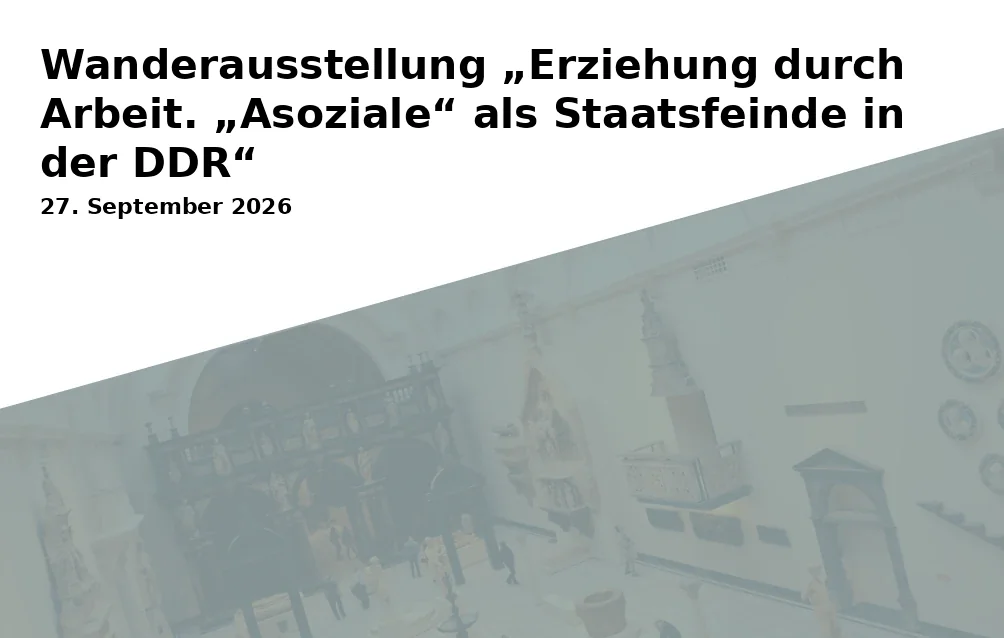
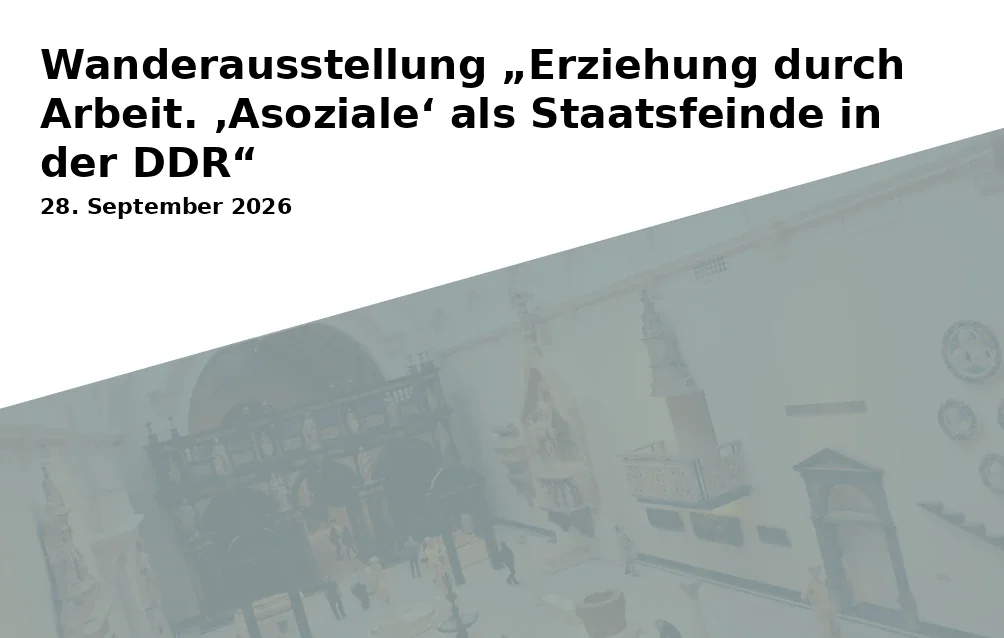
The traveling exhibition “Education through Work. ‘Asocials’ as Enemies of the State in the GDR” makes a long-suppressed chapter of GDR history visible at the Human Rights Center Cottbus. In the historical context of the Cottbus Prison Memorial, visitors encounter fourteen biographies, photographs, documents, as well as film testimonials and expert interviews.
Fourteen life paths between exclusion and imprisonment
The focus is on women and men who could be persecuted under Paragraph 249 of the GDR Penal Code as so-called “asocials.” A broadly defined legal definition made it possible to prosecute alleged work shyness, an unconventional lifestyle, or political deviation criminally. The exhibition shows how state attributions shaped individual life paths and led people to homes, youth workhouses, or prisons.
Documents, images, and voices of those affected
The curated presentation combines historical documents with photographs, film footage, and interviews. This creates concentrated contemplation of the works in a broader sense: The exhibition atmosphere is determined not by aesthetic distance but by the sensory presence of images, documents, and voices. The materials make visible how authorities, justice, and media shaped the image of so-called “asocial elements.”
Historical lines of stigmatization
The exhibition places Paragraph 249 in larger historical contexts. It discusses predecessors in the Empire, in National Socialism, and in early GDR as well as comparable ideas in the ČSSR and the Soviet Union. Propaganda, media images, prison conditions, and the consequences of stigmatization after release are also examined.
Cultural education at the site of remembrance
The presentation by exhibeo e.V. was created in cooperation with the Union of Victim Associations of Communist Tyranny and with the support of the Federal Commissioner for the Victims of the SED Dictatorship in the German Bundestag. The Human Rights Center Cottbus connects historical research with political education, human rights work, and immediate engagement with human dignity, state repression, and social exclusion.
Conclusion: An exhibition that returns names and dignity
“Education through Work” opens a powerful aesthetic experience between documentation, culture of remembrance, and historical reappraisal. Art historical terms such as painting or sculpture are not at the forefront here; the effect arises from the precise curation of biographies, sources, images, and voices. Those who wish to deepen their understanding of GDR history, human rights, and political education will experience in Cottbus an exhibition of high societal relevance. A visit on-site makes the consequences of state exclusion directly understandable.
Official channels of the Human Rights Center Cottbus:
- Instagram: no official profile found
- Facebook: no official profile found
- YouTube: no official profile found
- Website: https://www.menschenrechtszentrum-cottbus.de/