Education through Work at the Cottbus Human Rights Center: Making GDR Injustice Visible
Date and Time
Location
Price
About this Event
Mood
Venue Type
When a Label Decided a Life
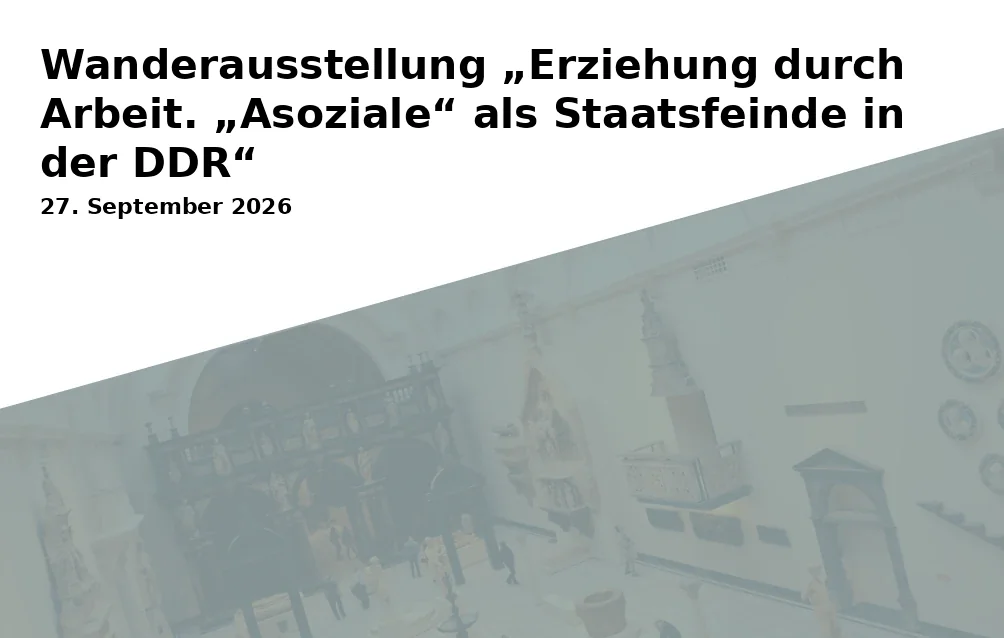
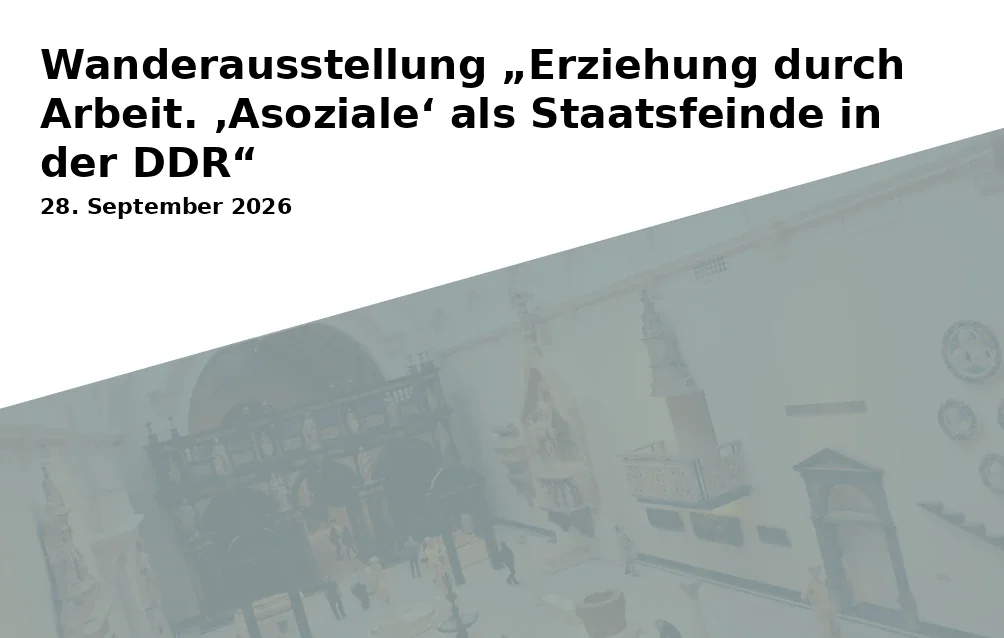
The traveling exhibition "Education through Work. 'Asocial' as Enemies of the State in the GDR" makes a long-suppressed chapter of GDR history visible at the Cottbus Human Rights Center. It focuses on individuals who were stigmatized, marginalized, disciplined, and criminalized under Paragraph 249 of the GDR Penal Code as "asocial".
Fourteen Biographies Against Forgetting
Through fourteen individual life stories, the exhibition shows how differently the paths to state persecution unfolded. The affected included individuals without regular employment, those with unconventional lifestyles, prostitutes, punks, applicants for exit permits, and people with politically undesirable views. Photographs, historical documents, film footage, and interviews with eyewitnesses and experts give the affected back their names and stories.
The Asocial Paragraph as an Instrument of State Repression
The exhibition examines the vague definition of so-called "asocial behavior" and shows how Paragraph 249 was used to enforce the state’s image of humanity. Anyone who did not conform to the ideal of the socialist person could be considered a danger to order, labor productivity, and collective morality. Media, authorities, and the judiciary contributed to a system of stigmatization.
Historical Lines and Political Education
The curated presentation places GDR persecution in larger historical contexts. It addresses predecessors of Paragraph 249 in the Empire, under National Socialism, and in early GDR, as well as comparable ideas in Czechoslovakia and the Soviet Union. Propaganda, detention conditions, and the consequences of exclusion after release are also highlighted. Thus, the exhibition connects art-historically understood work analysis with historical research and cultural education.
An Impressive Artistic Experience at a Place of Remembrance
At the Cottbus Human Rights Center and the Cottbus Prison Memorial, the exhibition unfolds a special exhibition atmosphere. Photographs, documents, and filmic testimonies enter into a tense dialogue with the historical space. The reduced presentation directs attention to faces, life stories, and traces of writing. This aesthetic experience does not stop at the contemplation of individual exhibits but leads to questions of dignity, belonging, and state power.
Conclusion: Experiencing History Directly
"Education through Work" combines historical precision with an urgent human perspective. Visitors can expect an exhibition about GDR injustice, societal normalization, and the lasting effects of state exclusion. Those who want to understand how a state defined belonging and pushed people out of society will experience an important artistic experience of the culture of remembrance here. A visit to the Cottbus Human Rights Center offers cultural enrichment, political education, and a lasting aesthetic experience.
Official Channels of the Cottbus Human Rights Center:
- Instagram: no official profile found
- Facebook: no official profile found
- YouTube: no official profile found
- Website: no official profile found
Sources:
- Education through Work – Official Exhibition Website
- Education through Work – Project Information and Opening Hours
- Cottbus Human Rights Center – Press Release on the Exhibition
- German Bundestag – Report on the Exhibition at the Cottbus Human Rights Center
- Aufarbeitung Brandenburg – Exhibition Opening in Cottbus