Education through Work in Cottbus: Experience GDR Injustice and Human Dignity
Date and Time
Location
Price
About this Event
Mood
Venue Type
Education through Work: A Distressing Chapter of GDR History in Cottbus
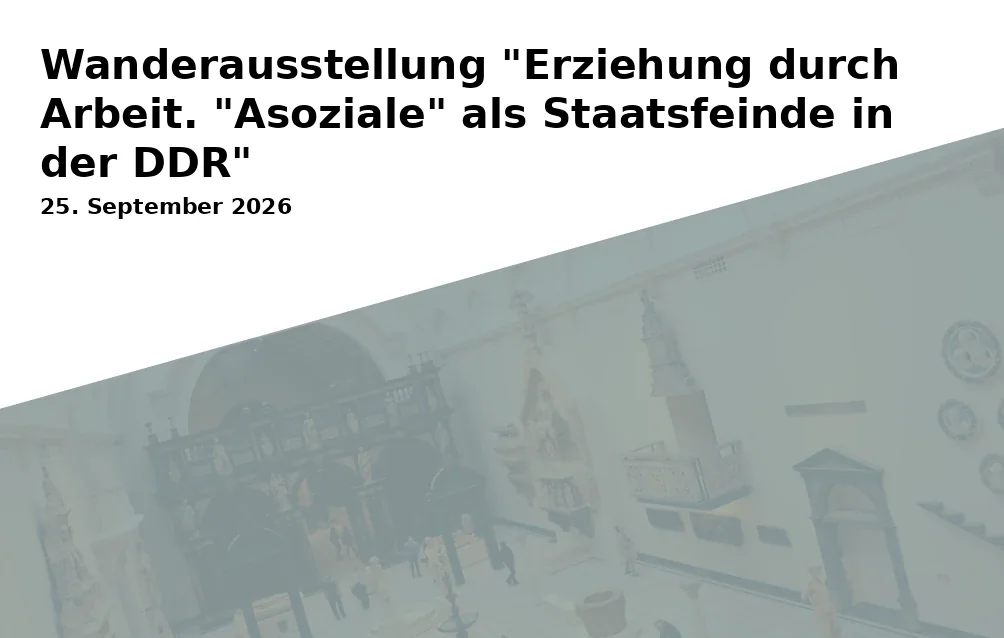
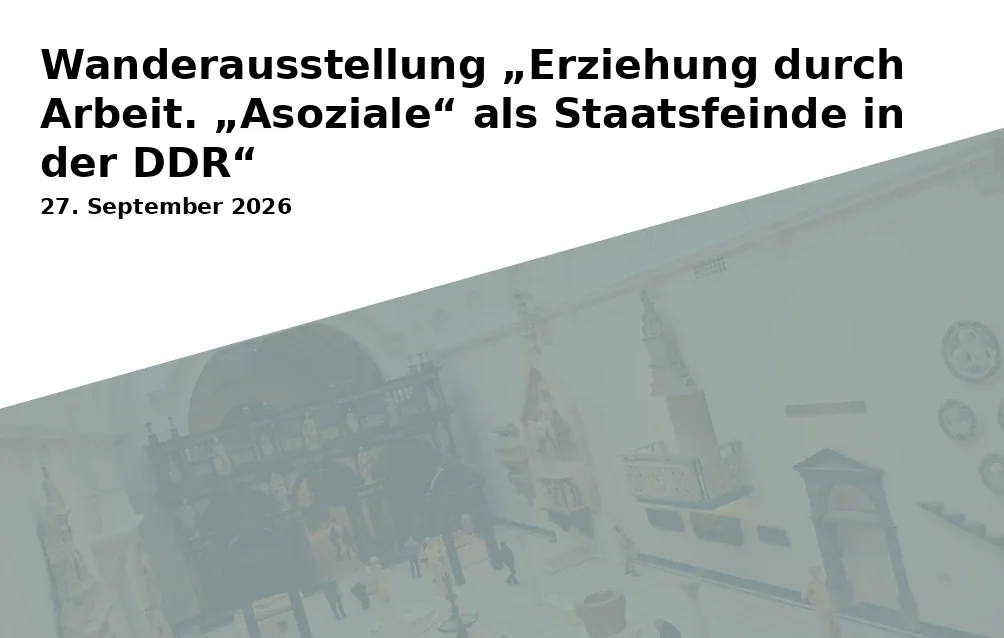
The traveling exhibition 'Education through Work. 'Asocial' as Enemies of the State in the GDR' addresses a long-suppressed chapter of German contemporary history. At the Human Rights Center Cottbus, the Memorial Zuchthaus Cottbus reveals how people in the GDR were systematically marginalized, disciplined, and criminalized.
When Deviance Became a State Crime
At the center stands the so-called asocial paragraph § 249 of the GDR Penal Code. People who did not conform to the ideal image of the socialist person came under state pressure. Individuals were deemed 'asocial' for various reasons, including presumed work-shyness, an unconventional lifestyle, or a nonconforming political stance.
The exhibition demonstrates how administration, media, youth assistance, police, and judiciary could interconnect. Education through work often meant coercion, stigmatization, commitment to homes or youth workhouses, and subsequent imprisonment.
Documents, Photographs, and Personal Destinies
Photos, historical documents, filmed witness accounts, and expert interviews as well as specific case studies give a voice to those affected. The careful curation connects political education with biographical memory and makes state repression comprehensible through individual life paths.
The atmosphere of the exhibition gains additional intensity from the historical location. In the former prison, the examination of historical evidence becomes an aesthetic experience and a direct confrontation with human dignity, exclusion, and the rule of law.
A Place Where Memory Remains Alive
The Memorial Zuchthaus Cottbus itself is a central place of remembrance for political persecution and imprisonment in the GDR. The combination of exhibition, authentic site, and cultural education opens up new perspectives for visitors on the mechanisms of control and social disciplining.
The presentation was supported by several political education and remembrance institutions in the context of coming to terms with the SED injustice. Among the participating institutions are the Federal Foundation for the Reappraisal of the SED Dictatorship, the Brandenburg State Center for Political Education, the Commissioner of the State of Brandenburg for the Reappraisal of the Consequences of the Communist Dictatorship, and the Union of Victims' Associations of Communist Tyranny.
An Artistic Experience of Historical Attention
Although the exhibition is not a classical art exhibit in the strict sense, it creates a compelling artistic experience through its visual dramaturgy, the materiality of the sources, and the spatial staging. The aesthetic experience arises from the encounter with photographs, documents, voices, and places that do not explain history abstractly but make it tangible.
Those interested in GDR history, culture of remembrance, political persecution, and the social consequences of stigmatization will gain an informed access to an important topic in Cottbus. The exhibition encourages the examination of historical evidence, critical reflection, and discussions about freedom and human rights.
Conclusion: Understanding History on Site
The traveling exhibition 'Education through Work' makes visible how quickly societal attributions can transition into state repression. Visitors can expect an intense, education-oriented exhibition with strong biographical perspectives and high historical relevance. A visit to the Memorial Zuchthaus Cottbus enriches cultural education and creates a lasting aesthetic experience.
Official Channels of the Human Rights Center Cottbus:
- Instagram: no official profile found
- Facebook: no official profile found
- YouTube: no official profile found
- Website: https://www.menschenrechtszentrum-cottbus.de/