The Women of Hoheneck in Cottbus: Photographs Against Forgetting
Date and Time
Location
About this Event
Mood
Venue Type
Faces of Memory: The Women of Hoheneck in Cottbus
The photo exhibition The Women of Hoheneck – Photographs by Dirk Vogel makes personal life stories visible, which are connected to political persecution and imprisonment in the women’s prison Hoheneck in East Germany. At the Human Rights Center Cottbus, visitors encounter 19 women and one man whose experiences of imprisonment, repression, resistance, and the persistent struggle for freedom have shaped their lives.
Analog Black-and-White Photography Between Intimacy and Contemporary History
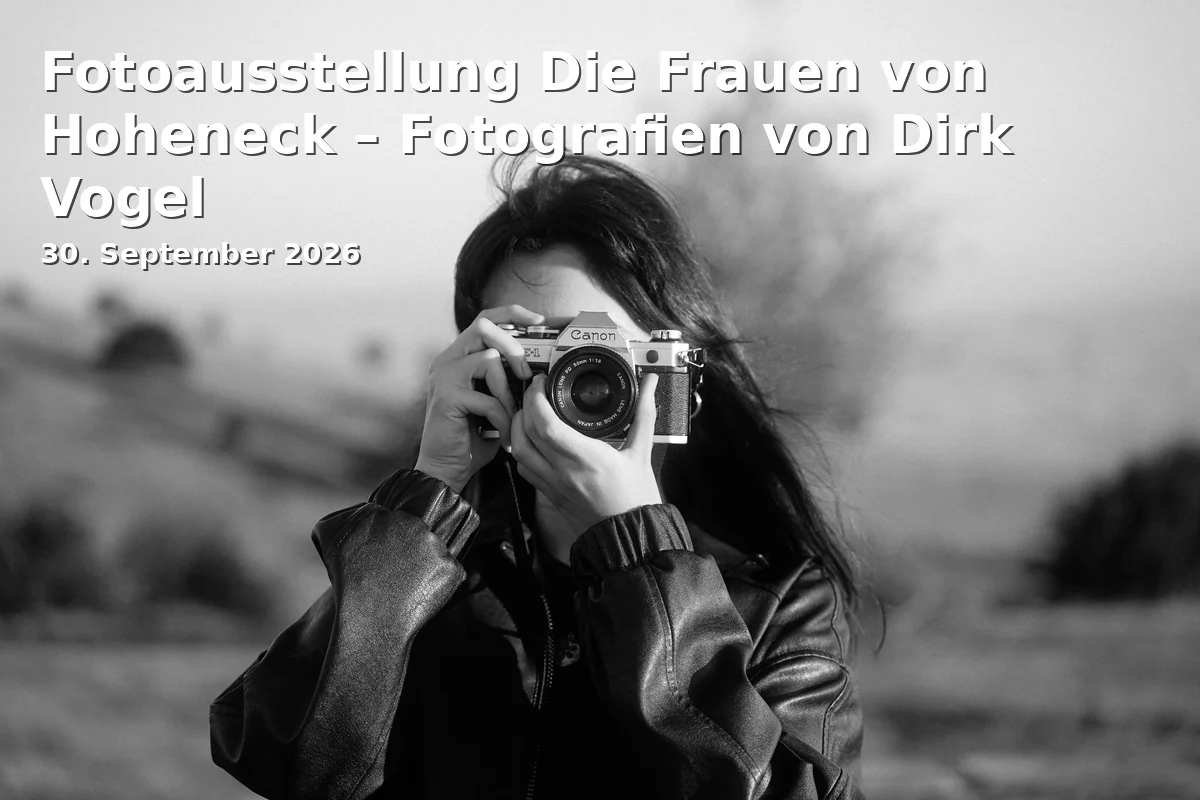
Dirk Vogel works with the concentrated visual language of documentary portraiture. The analog black-and-white photographs show former prisoners in private life contexts and partially during encounters with the historical site Hoheneck. Faces, postures, gazes, and spatial traces combine to create a silent, compelling examination of the works.
An Art Experience in a Historical Space
The presentation in the Human Rights Center Cottbus, the former memorial site of the Cottbus prison, enhances the exhibition atmosphere. Historical architecture, material traces, and the restrained visual language of the portraits enter into an intense dialogue. This creates an aesthetic experience that connects photographic art, contemporary history, memory culture, and human rights education.
Biographies Against Forgetting
The exhibition published by the Forum for Politically Persecuted and Imprisoned Women in the SBZ/SED Dictatorship e. V. focuses on real people rather than abstract historical numbers. Accompanying biographical information invites contemplation of individual dignity, state arbitrariness, personal responsibility, and the value of democratic freedom.
Cultural Education and Democratic Memory
The exhibition opens a sensitive access to the history of East Germany and the processing of political persecution. Especially the combination of documentary photography, personal life paths, and the historical site makes the exhibition an important offering of cultural education. The photographs do not preserve memory statically but lead it into the present of the viewers.
Conclusion: Memory Becomes Present in the Image
Visitors can expect a concentrated examination of the works with striking black-and-white portraits, moving biographies, and a special exhibition atmosphere in the former Cottbus prison. Anyone interested in photography, East German history, memory culture, and human rights education should definitely experience this impactful art experience live.
Official Channels of Dirk Vogel:
- Instagram: no official profile found
- Facebook: no official profile found
- YouTube: no official profile found
- Website: no official profile found