
Cottbus
03 Cottbus-Branitz, Deutschland
Branitz | Events & Opening Hours
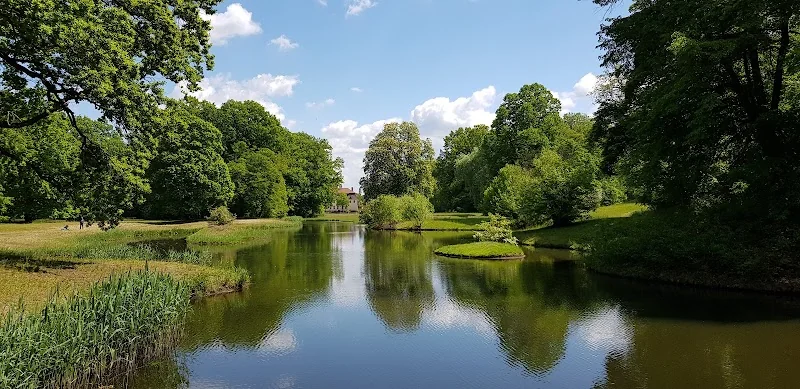
Branitz near Cottbus is not just any park, but a historical Gesamtkunstwerk that connects landscape, architecture, garden art, and museum work. Those who come to Branitz experience a facility that emerged from the vision of Hermann Prince of Pückler-Muskau and continues to thrive today through the interplay of park, castle, pyramids, historical buildings, and current events. The ensemble includes the Branitzer Park, Branitz Castle, the estate economy, the visitor center, and other park buildings. With an area of around 620 hectares, the facility is one of the most significant garden artworks in Germany and is maintained and conveyed by the Prince Pückler Museum Park and Castle Branitz Foundation. For visitors, Branitz is therefore both a destination for excursions, a cultural site, a monument, and a vibrant experience space. The combination of historical authenticity and contemporary offerings makes the place so attractive: walks in the park, guided tours of the castle, gondola rides, garden festivals, family offerings, and seasonal opening hours all interconnect here. ([pueckler-museum.de](https://www.pueckler-museum.de/park-schloss/))
For people looking for Branitz today, the facility is clearly positioned: The park is open year-round, the castle and visitor center follow a seasonal rhythm, and the current program planning extends into the year 2026. Topics such as events, arrival, parking, inner park, and castle visits are particularly in demand. These search intentions reflect the structure of this page. At the same time, Branitz demonstrates that a historical park is not a static outdoor museum, but a place where culture, recreation, education, and celebration come together. Those planning a day trip will find wide paths, quiet perspectives, special architecture, and practical visitor information. Those interested in Pückler will discover the life world of the famous garden artist, his ideas for landscape design, and the elaborately staged rooms of the castle. Those looking for events will find in Branitz 2026, among other things, a garden festival and gondola rides. ([cottbus.de](https://cottbus.de/cb-events-test/gartenfestival-park-schloss-branitz/))
Why Branitz is one of the most significant parks in Germany
The history of Branitz Park begins in 1846 when Hermann Prince of Pückler-Muskau had an English landscape park laid out in Branitz near Cottbus after selling his principality Muskau. From a barren sandy landscape, a park composition gradually emerged, which Pückler himself understood as his masterpiece. The park was designed according to the zoning principle: From the outer park areas through the inner park and the pleasure ground, the design intensity condenses towards the center of the facility, the castle. This structure is not only art historically significant but also practically experienceable for visitors, as the atmosphere changes when walking from zone to zone. The garden art is manifested in finely curved earth modelings, in lakes and waterways, in deliberately placed groups of trees, and in a path layout that continuously creates new images. In this form, Branitz belongs to the high-ranking European garden monuments and is officially described as a garden monument of international significance. ([pueckler-museum.de](https://www.pueckler-museum.de/der-branitzer-park/))
Branitz is remarkable not only for its size and historical origins but also for its precise connection of nature and representation. At the center of the park lies the late Baroque Branitz Castle, which Prince Pückler had extensively remodeled starting in 1846. It not only provides an impression of the unusual life of the prince but also of the living culture of his time. The museum is dedicated to the life and work of Pückler and that of his long-time partner Lucie von Pückler-Muskau, née von Hardenberg. The collection includes artworks, furniture, books, paintings, sculptures, graphics, archival materials, research library, and photo library. Thus, Branitz is not simply a beautiful park but a multifaceted cultural site where landscape design, biography, collecting passion, and education are brought together. This depth explains why Branitz appears in search queries for castle, park, history, and events simultaneously. ([pueckler-museum.de](https://www.pueckler-museum.de/schloss-branitz/))
Events 2026 in Branitz Park and Castle
Those looking for Branitz Park events in 2026 will already find concrete dates with clear thematic orientation. A highlight is the Garden Festival Park & Castle Branitz from May 15 to 17, 2026, in the estate economy on Robinienweg. According to the event description, the area transforms into a paradise for plant lovers with rare perennials, fragrant herbs, trees, potted plants, garden tools, ceramics, and accessories. Additionally, there will be a supporting program with music, lectures, workshops, park tours, and children's offerings, as well as culinary stations with food, pastries, pineapple delicacies, tea, coffee, wine, and lemonades. The date is therefore not just a market but a culture- and garden-related experience format that fits perfectly with Branitz. The estate economy is not just a backdrop but part of the historical park landscape and thus itself part of the authentic framework. ([cottbus.de](https://cottbus.de/cb-events-test/gartenfestival-park-schloss-branitz/))
A second, very typical format is the gondola rides to the pyramids. A ride is scheduled for June 21, 2026, at 2:45 PM, during which one glides along the waterways laid out by Pückler through the Branitz park landscape and experiences the tumulus, i.e., the water and burial pyramid of the princely couple, up close. Such offerings show that Branitz does not only function through paths and viewpoints but through perspective changes. This is a significant charm of the park: water, shores, trees, and architecture become experienceable through movement. For 2026, further uses are also possible, such as events in the Green Hall of the castle, celebrations in the park, guided tours, and group offerings. The current event character of Branitz is thus closely linked to its historical layout. The current programming uses the park landscape not merely as a background but as an active part of the experience. ([cottbus.de](https://cottbus.de/cb-events-test/gondelfahrten-zu-den-pyramiden-21/))
Branitz Park today: Inner park, pyramids, and special places
Branitz Park is most impressive when experienced in its zones. The outer park forms the wide frame, the inner park leads into more densely designed areas, and the pleasure ground opens the view of the immediate surroundings of the castle. Among the special highlights are the two earth pyramids that recall Pückler's journey to the Orient. The larger pyramid, the tumulus, is located in the pyramid lake and has been the burial site of Hermann Prince of Pückler-Muskau since 1871; later, Lucie Pückler was also reburied there. The lake pyramid is best experienced by gondola ride. In the inner park, there is also the Historical Castle Horticulture with the Pineapple House, the neo-Gothic park forge, the classicist Cottbus Gatehouse, and the visitor center with the permanent exhibition Masters of Landscape. This mix of exotic staging, technical history, and museum mediation makes the visit particularly multifaceted. Thus, those exploring Branitz today discover not only paths and trees but a carefully composed sequence of places with very different functions. ([pueckler-museum.de](https://www.pueckler-museum.de/der-branitzer-park/))
The current character of Branitz also includes that the park is treated as a lively public space. The park regulations explicitly state that Branitz is open day and night year-round, but not all paths are illuminated, and use is at one's own risk. At the same time, clear rules apply: dogs must be on a short leash, cycling is only allowed on designated routes, smoking is prohibited, and one may not move freely on meadows, water surfaces, or in sensitive areas. Swimming, fishing, or using boats in the waters is also not permitted. These rules may seem strict but are an expression of the protection of a historical facility with sensitive vegetation and listed elements. For visitors, this means: Branitz is not an amusement park but a cultural monument to be experienced with mindfulness. This is precisely how the special atmosphere is preserved. Therefore, those visiting Branitz Park today should respect the monument character and observe the paths, signage, and instructions of the foundation. ([pueckler-museum.de](https://www.pueckler-museum.de/en/park-regulations/))
Arrival and Parking in Branitz
The arrival to Branitz is well organized and described for various modes of transport. By train, visitors travel to Cottbus and then transfer at the main train station to bus line 10, the so-called Pückler line, which runs in a circular route over Branitz and brings guests to the Branitz Castle stop. Those arriving by car should follow the signage depending on the direction to the turnoff for Branitz and then drive to Kastanienallee, where the designated parking lot is located. The foundation also provides the navigation address Kastanienallee 29, 03042 Cottbus. Parking fees apply: cars pay €2.50 per started hour, €35 for a day ticket after 10 hours; for buses, the rates are €5.00 per hour or €70 per day. Payment at the parking machine is only possible by card; cash payment is only available when purchasing a day ticket at the castle cash desk. This information is important because Branitz functions both as a destination for day visitors and as a destination for group trips. Those who plan ahead can avoid unnecessary detours and start their visit relaxed. ([pueckler-museum.de](https://www.pueckler-museum.de/anreise/))
Branitz is also easily accessible for cyclists. The arrival page lists several regional and urban routes, including the Prince Pückler Cycle Path, the Lower Lusatian Mining Tour, and the Spree Cycle Path, which lead directly to the landscape park. Additionally, there are five lockable bicycle garages and rental boxes at the Kastanienallee parking lot, allowing bicycles and luggage to be securely stored. There are also toilets and picnic areas available. This infrastructure is not a given for a historical park and facilitates visits with family, e-bikes, or long-distance cycling trips. At the same time, it becomes clear that Branitz is intended as part of the Cottbus tourism network and does not function in isolation. Those who plan their arrival in advance can conveniently reach the park by bus, car, or bicycle and focus their time on the actual visit. Especially for events like the garden festival or gondola rides, it is worthwhile to arrive early and include the parking lot, bus stop, or bicycle stand in the planning. ([pueckler-museum.de](https://www.pueckler-museum.de/anreise/))
Opening Hours, Accessibility, and Visitor Services
The current opening hours are particularly important for planning visits. Branitz Castle is open from April to October 2026, Wednesday to Monday from 10:00 AM to 5:00 PM, closed on Tuesdays. In November and December 2026, it is open on Saturdays and Sundays from 10:00 AM to 4:00 PM. The visitor center follows the same weekly schedule in summer, being open from April to October 2026, Wednesday to Monday from 10:00 AM to 5:00 PM, and closed on Tuesdays; from November 2026 to March 2027, it remains closed. The Marstall is currently closed. The park itself is open year-round. This mix of year-round park access and seasonal museum operation is typical for Branitz and explains why many users search for Branitzer Park today or Branitz opening hours. Those visiting the site in winter experience the park as an open landscape; those coming in summer benefit additionally from the museum, visitor center, and program offerings. ([pueckler-museum.de](https://www.pueckler-museum.de/oeffnungszeiten/))
Accessibility is also clearly described. Branitz Park is wheelchair accessible, as is the Cavalier House and the Café Goldene Ananas. Unfortunately, Branitz Castle is not accessible for wheelchair users due to the steps, but there are accessible toilets in the visitor center, in the Marstall, in the Cavalier House, in the Café Goldene Ananas, and in the large visitor parking lot. Additionally, visitors can borrow a wheelchair for the park walk at the castle; the fee is two euros. For blind and visually impaired people, there is a park guide, and inclusive castle tours are offered. This shows that historical quality and contemporary accessibility do not have to be in conflict but can be brought together through good organization. ([pueckler-museum.de](https://www.pueckler-museum.de/barrierefreiheit/))
Guided Tours, Castle Visits, and Events in the Green Hall
Branitz Castle is not just a building in the park but an independent experience space. The authentically recreated living and social spaces can be visited as part of a castle tour or with an audio guide. Particularly noteworthy are the three colorful Oriental rooms on the upper floor, which Pückler had set up as a personal memory of his journey to the Orient. Additionally, there is the library, the dining room for nightly dinners, the purple-golden breakfast room, and the magnificent Green Hall, which has been preserved in its original form from the castle construction period of 1772. This hall is today a special place for events and weddings. Therefore, those looking for a festive occasion in Branitz will find a historically charged space with a strong atmosphere here. The castle thus becomes the link between museum, private life, and public use. For search queries like Branitz Castle or events in the castle, this combination of authenticity and usability is crucial. ([pueckler-museum.de](https://www.pueckler-museum.de/schloss-branitz/))
The visitor center and the other offerings also significantly enhance the visit value of Branitz. The museum is dedicated to the life and work of Hermann and Lucie Pückler and presents works by Carl Blechen, his students, and contemporaries in the visitor center during the summer. Additionally, there are offerings for groups, children, schools, and holiday periods, as well as digital formats like park maps and online collections. The foundation explicitly sees Branitz as a place of cultural life that connects education, music, art, literature, and even sports. For many guests, this is precisely the reason to stay longer than initially planned: They come for the park and stay for the rooms, stories, and program variety. Therefore, those who want to truly experience Branitz should combine a park walk, castle visit, possibly a gondola ride, and a look at the current event calendar offerings. Then, the facility reveals itself not only as a monument but as a vibrant cultural space with an unusually clear historical signature. ([pueckler-museum.de](https://www.pueckler-museum.de/museum/))
Sources:
- Branitz Park - Prince Pückler Museum Foundation
- Branitz Castle - Prince Pückler Museum Foundation
- Arrival - Prince Pückler Museum Foundation
- Opening Hours - Prince Pückler Museum Foundation
- Accessibility - Prince Pückler Museum Foundation
- Garden Festival Park & Castle Branitz - City of Cottbus/Chóśebuz
- Gondola Rides to the Pyramids - City of Cottbus/Chóśebuz
Show moreShow less
Branitz | Events & Opening Hours
Branitz near Cottbus is not just any park, but a historical Gesamtkunstwerk that connects landscape, architecture, garden art, and museum work. Those who come to Branitz experience a facility that emerged from the vision of Hermann Prince of Pückler-Muskau and continues to thrive today through the interplay of park, castle, pyramids, historical buildings, and current events. The ensemble includes the Branitzer Park, Branitz Castle, the estate economy, the visitor center, and other park buildings. With an area of around 620 hectares, the facility is one of the most significant garden artworks in Germany and is maintained and conveyed by the Prince Pückler Museum Park and Castle Branitz Foundation. For visitors, Branitz is therefore both a destination for excursions, a cultural site, a monument, and a vibrant experience space. The combination of historical authenticity and contemporary offerings makes the place so attractive: walks in the park, guided tours of the castle, gondola rides, garden festivals, family offerings, and seasonal opening hours all interconnect here. ([pueckler-museum.de](https://www.pueckler-museum.de/park-schloss/))
For people looking for Branitz today, the facility is clearly positioned: The park is open year-round, the castle and visitor center follow a seasonal rhythm, and the current program planning extends into the year 2026. Topics such as events, arrival, parking, inner park, and castle visits are particularly in demand. These search intentions reflect the structure of this page. At the same time, Branitz demonstrates that a historical park is not a static outdoor museum, but a place where culture, recreation, education, and celebration come together. Those planning a day trip will find wide paths, quiet perspectives, special architecture, and practical visitor information. Those interested in Pückler will discover the life world of the famous garden artist, his ideas for landscape design, and the elaborately staged rooms of the castle. Those looking for events will find in Branitz 2026, among other things, a garden festival and gondola rides. ([cottbus.de](https://cottbus.de/cb-events-test/gartenfestival-park-schloss-branitz/))
Why Branitz is one of the most significant parks in Germany
The history of Branitz Park begins in 1846 when Hermann Prince of Pückler-Muskau had an English landscape park laid out in Branitz near Cottbus after selling his principality Muskau. From a barren sandy landscape, a park composition gradually emerged, which Pückler himself understood as his masterpiece. The park was designed according to the zoning principle: From the outer park areas through the inner park and the pleasure ground, the design intensity condenses towards the center of the facility, the castle. This structure is not only art historically significant but also practically experienceable for visitors, as the atmosphere changes when walking from zone to zone. The garden art is manifested in finely curved earth modelings, in lakes and waterways, in deliberately placed groups of trees, and in a path layout that continuously creates new images. In this form, Branitz belongs to the high-ranking European garden monuments and is officially described as a garden monument of international significance. ([pueckler-museum.de](https://www.pueckler-museum.de/der-branitzer-park/))
Branitz is remarkable not only for its size and historical origins but also for its precise connection of nature and representation. At the center of the park lies the late Baroque Branitz Castle, which Prince Pückler had extensively remodeled starting in 1846. It not only provides an impression of the unusual life of the prince but also of the living culture of his time. The museum is dedicated to the life and work of Pückler and that of his long-time partner Lucie von Pückler-Muskau, née von Hardenberg. The collection includes artworks, furniture, books, paintings, sculptures, graphics, archival materials, research library, and photo library. Thus, Branitz is not simply a beautiful park but a multifaceted cultural site where landscape design, biography, collecting passion, and education are brought together. This depth explains why Branitz appears in search queries for castle, park, history, and events simultaneously. ([pueckler-museum.de](https://www.pueckler-museum.de/schloss-branitz/))
Events 2026 in Branitz Park and Castle
Those looking for Branitz Park events in 2026 will already find concrete dates with clear thematic orientation. A highlight is the Garden Festival Park & Castle Branitz from May 15 to 17, 2026, in the estate economy on Robinienweg. According to the event description, the area transforms into a paradise for plant lovers with rare perennials, fragrant herbs, trees, potted plants, garden tools, ceramics, and accessories. Additionally, there will be a supporting program with music, lectures, workshops, park tours, and children's offerings, as well as culinary stations with food, pastries, pineapple delicacies, tea, coffee, wine, and lemonades. The date is therefore not just a market but a culture- and garden-related experience format that fits perfectly with Branitz. The estate economy is not just a backdrop but part of the historical park landscape and thus itself part of the authentic framework. ([cottbus.de](https://cottbus.de/cb-events-test/gartenfestival-park-schloss-branitz/))
A second, very typical format is the gondola rides to the pyramids. A ride is scheduled for June 21, 2026, at 2:45 PM, during which one glides along the waterways laid out by Pückler through the Branitz park landscape and experiences the tumulus, i.e., the water and burial pyramid of the princely couple, up close. Such offerings show that Branitz does not only function through paths and viewpoints but through perspective changes. This is a significant charm of the park: water, shores, trees, and architecture become experienceable through movement. For 2026, further uses are also possible, such as events in the Green Hall of the castle, celebrations in the park, guided tours, and group offerings. The current event character of Branitz is thus closely linked to its historical layout. The current programming uses the park landscape not merely as a background but as an active part of the experience. ([cottbus.de](https://cottbus.de/cb-events-test/gondelfahrten-zu-den-pyramiden-21/))
Branitz Park today: Inner park, pyramids, and special places
Branitz Park is most impressive when experienced in its zones. The outer park forms the wide frame, the inner park leads into more densely designed areas, and the pleasure ground opens the view of the immediate surroundings of the castle. Among the special highlights are the two earth pyramids that recall Pückler's journey to the Orient. The larger pyramid, the tumulus, is located in the pyramid lake and has been the burial site of Hermann Prince of Pückler-Muskau since 1871; later, Lucie Pückler was also reburied there. The lake pyramid is best experienced by gondola ride. In the inner park, there is also the Historical Castle Horticulture with the Pineapple House, the neo-Gothic park forge, the classicist Cottbus Gatehouse, and the visitor center with the permanent exhibition Masters of Landscape. This mix of exotic staging, technical history, and museum mediation makes the visit particularly multifaceted. Thus, those exploring Branitz today discover not only paths and trees but a carefully composed sequence of places with very different functions. ([pueckler-museum.de](https://www.pueckler-museum.de/der-branitzer-park/))
The current character of Branitz also includes that the park is treated as a lively public space. The park regulations explicitly state that Branitz is open day and night year-round, but not all paths are illuminated, and use is at one's own risk. At the same time, clear rules apply: dogs must be on a short leash, cycling is only allowed on designated routes, smoking is prohibited, and one may not move freely on meadows, water surfaces, or in sensitive areas. Swimming, fishing, or using boats in the waters is also not permitted. These rules may seem strict but are an expression of the protection of a historical facility with sensitive vegetation and listed elements. For visitors, this means: Branitz is not an amusement park but a cultural monument to be experienced with mindfulness. This is precisely how the special atmosphere is preserved. Therefore, those visiting Branitz Park today should respect the monument character and observe the paths, signage, and instructions of the foundation. ([pueckler-museum.de](https://www.pueckler-museum.de/en/park-regulations/))
Arrival and Parking in Branitz
The arrival to Branitz is well organized and described for various modes of transport. By train, visitors travel to Cottbus and then transfer at the main train station to bus line 10, the so-called Pückler line, which runs in a circular route over Branitz and brings guests to the Branitz Castle stop. Those arriving by car should follow the signage depending on the direction to the turnoff for Branitz and then drive to Kastanienallee, where the designated parking lot is located. The foundation also provides the navigation address Kastanienallee 29, 03042 Cottbus. Parking fees apply: cars pay €2.50 per started hour, €35 for a day ticket after 10 hours; for buses, the rates are €5.00 per hour or €70 per day. Payment at the parking machine is only possible by card; cash payment is only available when purchasing a day ticket at the castle cash desk. This information is important because Branitz functions both as a destination for day visitors and as a destination for group trips. Those who plan ahead can avoid unnecessary detours and start their visit relaxed. ([pueckler-museum.de](https://www.pueckler-museum.de/anreise/))
Branitz is also easily accessible for cyclists. The arrival page lists several regional and urban routes, including the Prince Pückler Cycle Path, the Lower Lusatian Mining Tour, and the Spree Cycle Path, which lead directly to the landscape park. Additionally, there are five lockable bicycle garages and rental boxes at the Kastanienallee parking lot, allowing bicycles and luggage to be securely stored. There are also toilets and picnic areas available. This infrastructure is not a given for a historical park and facilitates visits with family, e-bikes, or long-distance cycling trips. At the same time, it becomes clear that Branitz is intended as part of the Cottbus tourism network and does not function in isolation. Those who plan their arrival in advance can conveniently reach the park by bus, car, or bicycle and focus their time on the actual visit. Especially for events like the garden festival or gondola rides, it is worthwhile to arrive early and include the parking lot, bus stop, or bicycle stand in the planning. ([pueckler-museum.de](https://www.pueckler-museum.de/anreise/))
Opening Hours, Accessibility, and Visitor Services
The current opening hours are particularly important for planning visits. Branitz Castle is open from April to October 2026, Wednesday to Monday from 10:00 AM to 5:00 PM, closed on Tuesdays. In November and December 2026, it is open on Saturdays and Sundays from 10:00 AM to 4:00 PM. The visitor center follows the same weekly schedule in summer, being open from April to October 2026, Wednesday to Monday from 10:00 AM to 5:00 PM, and closed on Tuesdays; from November 2026 to March 2027, it remains closed. The Marstall is currently closed. The park itself is open year-round. This mix of year-round park access and seasonal museum operation is typical for Branitz and explains why many users search for Branitzer Park today or Branitz opening hours. Those visiting the site in winter experience the park as an open landscape; those coming in summer benefit additionally from the museum, visitor center, and program offerings. ([pueckler-museum.de](https://www.pueckler-museum.de/oeffnungszeiten/))
Accessibility is also clearly described. Branitz Park is wheelchair accessible, as is the Cavalier House and the Café Goldene Ananas. Unfortunately, Branitz Castle is not accessible for wheelchair users due to the steps, but there are accessible toilets in the visitor center, in the Marstall, in the Cavalier House, in the Café Goldene Ananas, and in the large visitor parking lot. Additionally, visitors can borrow a wheelchair for the park walk at the castle; the fee is two euros. For blind and visually impaired people, there is a park guide, and inclusive castle tours are offered. This shows that historical quality and contemporary accessibility do not have to be in conflict but can be brought together through good organization. ([pueckler-museum.de](https://www.pueckler-museum.de/barrierefreiheit/))
Guided Tours, Castle Visits, and Events in the Green Hall
Branitz Castle is not just a building in the park but an independent experience space. The authentically recreated living and social spaces can be visited as part of a castle tour or with an audio guide. Particularly noteworthy are the three colorful Oriental rooms on the upper floor, which Pückler had set up as a personal memory of his journey to the Orient. Additionally, there is the library, the dining room for nightly dinners, the purple-golden breakfast room, and the magnificent Green Hall, which has been preserved in its original form from the castle construction period of 1772. This hall is today a special place for events and weddings. Therefore, those looking for a festive occasion in Branitz will find a historically charged space with a strong atmosphere here. The castle thus becomes the link between museum, private life, and public use. For search queries like Branitz Castle or events in the castle, this combination of authenticity and usability is crucial. ([pueckler-museum.de](https://www.pueckler-museum.de/schloss-branitz/))
The visitor center and the other offerings also significantly enhance the visit value of Branitz. The museum is dedicated to the life and work of Hermann and Lucie Pückler and presents works by Carl Blechen, his students, and contemporaries in the visitor center during the summer. Additionally, there are offerings for groups, children, schools, and holiday periods, as well as digital formats like park maps and online collections. The foundation explicitly sees Branitz as a place of cultural life that connects education, music, art, literature, and even sports. For many guests, this is precisely the reason to stay longer than initially planned: They come for the park and stay for the rooms, stories, and program variety. Therefore, those who want to truly experience Branitz should combine a park walk, castle visit, possibly a gondola ride, and a look at the current event calendar offerings. Then, the facility reveals itself not only as a monument but as a vibrant cultural space with an unusually clear historical signature. ([pueckler-museum.de](https://www.pueckler-museum.de/museum/))
Sources:
- Branitz Park - Prince Pückler Museum Foundation
- Branitz Castle - Prince Pückler Museum Foundation
- Arrival - Prince Pückler Museum Foundation
- Opening Hours - Prince Pückler Museum Foundation
- Accessibility - Prince Pückler Museum Foundation
- Garden Festival Park & Castle Branitz - City of Cottbus/Chóśebuz
- Gondola Rides to the Pyramids - City of Cottbus/Chóśebuz
Branitz | Events & Opening Hours
Branitz near Cottbus is not just any park, but a historical Gesamtkunstwerk that connects landscape, architecture, garden art, and museum work. Those who come to Branitz experience a facility that emerged from the vision of Hermann Prince of Pückler-Muskau and continues to thrive today through the interplay of park, castle, pyramids, historical buildings, and current events. The ensemble includes the Branitzer Park, Branitz Castle, the estate economy, the visitor center, and other park buildings. With an area of around 620 hectares, the facility is one of the most significant garden artworks in Germany and is maintained and conveyed by the Prince Pückler Museum Park and Castle Branitz Foundation. For visitors, Branitz is therefore both a destination for excursions, a cultural site, a monument, and a vibrant experience space. The combination of historical authenticity and contemporary offerings makes the place so attractive: walks in the park, guided tours of the castle, gondola rides, garden festivals, family offerings, and seasonal opening hours all interconnect here. ([pueckler-museum.de](https://www.pueckler-museum.de/park-schloss/))
For people looking for Branitz today, the facility is clearly positioned: The park is open year-round, the castle and visitor center follow a seasonal rhythm, and the current program planning extends into the year 2026. Topics such as events, arrival, parking, inner park, and castle visits are particularly in demand. These search intentions reflect the structure of this page. At the same time, Branitz demonstrates that a historical park is not a static outdoor museum, but a place where culture, recreation, education, and celebration come together. Those planning a day trip will find wide paths, quiet perspectives, special architecture, and practical visitor information. Those interested in Pückler will discover the life world of the famous garden artist, his ideas for landscape design, and the elaborately staged rooms of the castle. Those looking for events will find in Branitz 2026, among other things, a garden festival and gondola rides. ([cottbus.de](https://cottbus.de/cb-events-test/gartenfestival-park-schloss-branitz/))
Why Branitz is one of the most significant parks in Germany
The history of Branitz Park begins in 1846 when Hermann Prince of Pückler-Muskau had an English landscape park laid out in Branitz near Cottbus after selling his principality Muskau. From a barren sandy landscape, a park composition gradually emerged, which Pückler himself understood as his masterpiece. The park was designed according to the zoning principle: From the outer park areas through the inner park and the pleasure ground, the design intensity condenses towards the center of the facility, the castle. This structure is not only art historically significant but also practically experienceable for visitors, as the atmosphere changes when walking from zone to zone. The garden art is manifested in finely curved earth modelings, in lakes and waterways, in deliberately placed groups of trees, and in a path layout that continuously creates new images. In this form, Branitz belongs to the high-ranking European garden monuments and is officially described as a garden monument of international significance. ([pueckler-museum.de](https://www.pueckler-museum.de/der-branitzer-park/))
Branitz is remarkable not only for its size and historical origins but also for its precise connection of nature and representation. At the center of the park lies the late Baroque Branitz Castle, which Prince Pückler had extensively remodeled starting in 1846. It not only provides an impression of the unusual life of the prince but also of the living culture of his time. The museum is dedicated to the life and work of Pückler and that of his long-time partner Lucie von Pückler-Muskau, née von Hardenberg. The collection includes artworks, furniture, books, paintings, sculptures, graphics, archival materials, research library, and photo library. Thus, Branitz is not simply a beautiful park but a multifaceted cultural site where landscape design, biography, collecting passion, and education are brought together. This depth explains why Branitz appears in search queries for castle, park, history, and events simultaneously. ([pueckler-museum.de](https://www.pueckler-museum.de/schloss-branitz/))
Events 2026 in Branitz Park and Castle
Those looking for Branitz Park events in 2026 will already find concrete dates with clear thematic orientation. A highlight is the Garden Festival Park & Castle Branitz from May 15 to 17, 2026, in the estate economy on Robinienweg. According to the event description, the area transforms into a paradise for plant lovers with rare perennials, fragrant herbs, trees, potted plants, garden tools, ceramics, and accessories. Additionally, there will be a supporting program with music, lectures, workshops, park tours, and children's offerings, as well as culinary stations with food, pastries, pineapple delicacies, tea, coffee, wine, and lemonades. The date is therefore not just a market but a culture- and garden-related experience format that fits perfectly with Branitz. The estate economy is not just a backdrop but part of the historical park landscape and thus itself part of the authentic framework. ([cottbus.de](https://cottbus.de/cb-events-test/gartenfestival-park-schloss-branitz/))
A second, very typical format is the gondola rides to the pyramids. A ride is scheduled for June 21, 2026, at 2:45 PM, during which one glides along the waterways laid out by Pückler through the Branitz park landscape and experiences the tumulus, i.e., the water and burial pyramid of the princely couple, up close. Such offerings show that Branitz does not only function through paths and viewpoints but through perspective changes. This is a significant charm of the park: water, shores, trees, and architecture become experienceable through movement. For 2026, further uses are also possible, such as events in the Green Hall of the castle, celebrations in the park, guided tours, and group offerings. The current event character of Branitz is thus closely linked to its historical layout. The current programming uses the park landscape not merely as a background but as an active part of the experience. ([cottbus.de](https://cottbus.de/cb-events-test/gondelfahrten-zu-den-pyramiden-21/))
Branitz Park today: Inner park, pyramids, and special places
Branitz Park is most impressive when experienced in its zones. The outer park forms the wide frame, the inner park leads into more densely designed areas, and the pleasure ground opens the view of the immediate surroundings of the castle. Among the special highlights are the two earth pyramids that recall Pückler's journey to the Orient. The larger pyramid, the tumulus, is located in the pyramid lake and has been the burial site of Hermann Prince of Pückler-Muskau since 1871; later, Lucie Pückler was also reburied there. The lake pyramid is best experienced by gondola ride. In the inner park, there is also the Historical Castle Horticulture with the Pineapple House, the neo-Gothic park forge, the classicist Cottbus Gatehouse, and the visitor center with the permanent exhibition Masters of Landscape. This mix of exotic staging, technical history, and museum mediation makes the visit particularly multifaceted. Thus, those exploring Branitz today discover not only paths and trees but a carefully composed sequence of places with very different functions. ([pueckler-museum.de](https://www.pueckler-museum.de/der-branitzer-park/))
The current character of Branitz also includes that the park is treated as a lively public space. The park regulations explicitly state that Branitz is open day and night year-round, but not all paths are illuminated, and use is at one's own risk. At the same time, clear rules apply: dogs must be on a short leash, cycling is only allowed on designated routes, smoking is prohibited, and one may not move freely on meadows, water surfaces, or in sensitive areas. Swimming, fishing, or using boats in the waters is also not permitted. These rules may seem strict but are an expression of the protection of a historical facility with sensitive vegetation and listed elements. For visitors, this means: Branitz is not an amusement park but a cultural monument to be experienced with mindfulness. This is precisely how the special atmosphere is preserved. Therefore, those visiting Branitz Park today should respect the monument character and observe the paths, signage, and instructions of the foundation. ([pueckler-museum.de](https://www.pueckler-museum.de/en/park-regulations/))
Arrival and Parking in Branitz
The arrival to Branitz is well organized and described for various modes of transport. By train, visitors travel to Cottbus and then transfer at the main train station to bus line 10, the so-called Pückler line, which runs in a circular route over Branitz and brings guests to the Branitz Castle stop. Those arriving by car should follow the signage depending on the direction to the turnoff for Branitz and then drive to Kastanienallee, where the designated parking lot is located. The foundation also provides the navigation address Kastanienallee 29, 03042 Cottbus. Parking fees apply: cars pay €2.50 per started hour, €35 for a day ticket after 10 hours; for buses, the rates are €5.00 per hour or €70 per day. Payment at the parking machine is only possible by card; cash payment is only available when purchasing a day ticket at the castle cash desk. This information is important because Branitz functions both as a destination for day visitors and as a destination for group trips. Those who plan ahead can avoid unnecessary detours and start their visit relaxed. ([pueckler-museum.de](https://www.pueckler-museum.de/anreise/))
Branitz is also easily accessible for cyclists. The arrival page lists several regional and urban routes, including the Prince Pückler Cycle Path, the Lower Lusatian Mining Tour, and the Spree Cycle Path, which lead directly to the landscape park. Additionally, there are five lockable bicycle garages and rental boxes at the Kastanienallee parking lot, allowing bicycles and luggage to be securely stored. There are also toilets and picnic areas available. This infrastructure is not a given for a historical park and facilitates visits with family, e-bikes, or long-distance cycling trips. At the same time, it becomes clear that Branitz is intended as part of the Cottbus tourism network and does not function in isolation. Those who plan their arrival in advance can conveniently reach the park by bus, car, or bicycle and focus their time on the actual visit. Especially for events like the garden festival or gondola rides, it is worthwhile to arrive early and include the parking lot, bus stop, or bicycle stand in the planning. ([pueckler-museum.de](https://www.pueckler-museum.de/anreise/))
Opening Hours, Accessibility, and Visitor Services
The current opening hours are particularly important for planning visits. Branitz Castle is open from April to October 2026, Wednesday to Monday from 10:00 AM to 5:00 PM, closed on Tuesdays. In November and December 2026, it is open on Saturdays and Sundays from 10:00 AM to 4:00 PM. The visitor center follows the same weekly schedule in summer, being open from April to October 2026, Wednesday to Monday from 10:00 AM to 5:00 PM, and closed on Tuesdays; from November 2026 to March 2027, it remains closed. The Marstall is currently closed. The park itself is open year-round. This mix of year-round park access and seasonal museum operation is typical for Branitz and explains why many users search for Branitzer Park today or Branitz opening hours. Those visiting the site in winter experience the park as an open landscape; those coming in summer benefit additionally from the museum, visitor center, and program offerings. ([pueckler-museum.de](https://www.pueckler-museum.de/oeffnungszeiten/))
Accessibility is also clearly described. Branitz Park is wheelchair accessible, as is the Cavalier House and the Café Goldene Ananas. Unfortunately, Branitz Castle is not accessible for wheelchair users due to the steps, but there are accessible toilets in the visitor center, in the Marstall, in the Cavalier House, in the Café Goldene Ananas, and in the large visitor parking lot. Additionally, visitors can borrow a wheelchair for the park walk at the castle; the fee is two euros. For blind and visually impaired people, there is a park guide, and inclusive castle tours are offered. This shows that historical quality and contemporary accessibility do not have to be in conflict but can be brought together through good organization. ([pueckler-museum.de](https://www.pueckler-museum.de/barrierefreiheit/))
Guided Tours, Castle Visits, and Events in the Green Hall
Branitz Castle is not just a building in the park but an independent experience space. The authentically recreated living and social spaces can be visited as part of a castle tour or with an audio guide. Particularly noteworthy are the three colorful Oriental rooms on the upper floor, which Pückler had set up as a personal memory of his journey to the Orient. Additionally, there is the library, the dining room for nightly dinners, the purple-golden breakfast room, and the magnificent Green Hall, which has been preserved in its original form from the castle construction period of 1772. This hall is today a special place for events and weddings. Therefore, those looking for a festive occasion in Branitz will find a historically charged space with a strong atmosphere here. The castle thus becomes the link between museum, private life, and public use. For search queries like Branitz Castle or events in the castle, this combination of authenticity and usability is crucial. ([pueckler-museum.de](https://www.pueckler-museum.de/schloss-branitz/))
The visitor center and the other offerings also significantly enhance the visit value of Branitz. The museum is dedicated to the life and work of Hermann and Lucie Pückler and presents works by Carl Blechen, his students, and contemporaries in the visitor center during the summer. Additionally, there are offerings for groups, children, schools, and holiday periods, as well as digital formats like park maps and online collections. The foundation explicitly sees Branitz as a place of cultural life that connects education, music, art, literature, and even sports. For many guests, this is precisely the reason to stay longer than initially planned: They come for the park and stay for the rooms, stories, and program variety. Therefore, those who want to truly experience Branitz should combine a park walk, castle visit, possibly a gondola ride, and a look at the current event calendar offerings. Then, the facility reveals itself not only as a monument but as a vibrant cultural space with an unusually clear historical signature. ([pueckler-museum.de](https://www.pueckler-museum.de/museum/))
Sources:
- Branitz Park - Prince Pückler Museum Foundation
- Branitz Castle - Prince Pückler Museum Foundation
- Arrival - Prince Pückler Museum Foundation
- Opening Hours - Prince Pückler Museum Foundation
- Accessibility - Prince Pückler Museum Foundation
- Garden Festival Park & Castle Branitz - City of Cottbus/Chóśebuz
- Gondola Rides to the Pyramids - City of Cottbus/Chóśebuz
Upcoming Events

Special Exhibition: "The Lady/Ladies of the House. A Search for Traces"
_"Intelligence and Emotion"_ was not only emphasized by Humboldt when he spoke of Lucie von Pückler-Muskau (1776-1854). From the _"curious Miss von Hardenberg-Reventlow"_ ...
Open-Air Exhibition: Princess Lucie Pückler in Branitz
Visit the Open-Air Exhibition about Princess Lucie Pückler in Branitz Park on June 28, 2026. Free entry!
Frequently Asked Questions
Reviews
No reviews found