
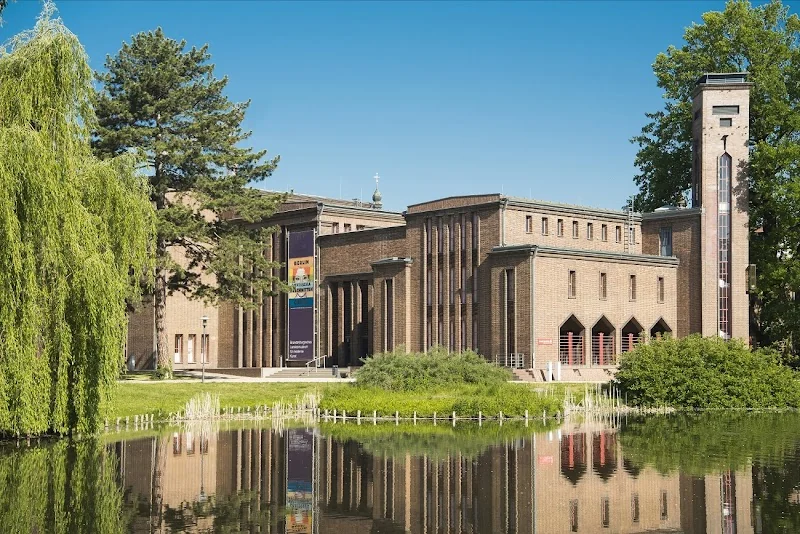
Cottbus
Am Amtsteich 15, 03046 Cottbus, Deutschland
Brandenburg State Museum for Modern Art | Tickets
The Brandenburg State Museum for Modern Art in the Diesel Power Plant Cottbus is one of those places where architecture and art do not stand side by side, but rather charge each other. The museum is located in a former industrial building at Amtsteich and combines the character of a striking technical monument with a collection that is among the most important holdings of art from the GDR and the subsequent lines of tradition. With over 45,000 works at the locations Cottbus and Frankfurt (Oder), the BLMK holds an exceptional position in the state of Brandenburg. Those looking for tickets, opening hours, photos, or the best first impression will find here not only a classic museum experience but a multifaceted cultural venue with changing exhibitions, events, and educational formats. It is precisely this combination of historical shell, vibrant program work, and clear museum identity that makes the Diesel Power Plant in Cottbus so interesting. ([blmk.de](https://www.blmk.de/museum/))
Opening Hours, Tickets, and Admission Prices at the Diesel Power Plant
For most visitors, planning begins with the very practical questions: When is the house open, how much does admission cost, and is a spontaneous visit worth it without long preparation? The answer is pleasantly straightforward. The Diesel Power Plant in Cottbus is open from Tuesday to Sunday from 11:00 AM to 7:00 PM; special opening hours apply on public holidays. This allows for a museum visit to be well planned both in the morning and in the afternoon, and also for people who want to experience culture after work or a stroll through the city, there are ample time slots. The official visitor information also states clear prices: 4 euros for the single ticket, 6 euros for the combo ticket, and 3.50 euros on the first Thursday of the month. Reduced admission is 3 euros, while children and young people up to 18 years of age have free admission. ([blmk.de](https://www.blmk.de/oeffnungszeiten-eintrittspreise/))
The pricing structure shows that the BLMK is prepared for different types of visits. Those who only want to see one exhibition do well with the single ticket. Those who want to take more time or explore multiple presentations at one location benefit from the combo ticket. There are separate rates for groups, and additional admission models apply for guided tours. This is particularly helpful for school classes, clubs, friend circles, or art groups planning a thematic visit. Annual passes are also available, making the venue attractive for regular visitors. In practice, this means: The Diesel Power Plant is not a one-time mandatory program, but a place to which one can consciously return because the exhibitions change and the collection is presented anew time and again. Thus, a museum emerges that is defined not only by its history but also by its revisitability. ([blmk.de](https://www.blmk.de/oeffnungszeiten-eintrittspreise/))
Especially valuable for planning visits is also the combination of free admission for children and young people as well as the regular low-cost visiting day on the first Thursday of the month. This makes the museum very accessible, especially for families, young adults, and culture enthusiasts with a smaller budget. Those wishing to combine their visit with a guided tour should note that public tours are charged in addition to the admission ticket and group offers should be coordinated. The museum itself points out that the architecture and acoustics in the exhibition rooms sometimes require a limited number of visitors. Practically, this means: Those who want to come safely and relaxed should plan the appointment a little in advance. This very mix of clear conditions and high-quality offerings makes the Diesel Power Plant a convincing museum location for Cottbus. ([blmk.de](https://www.blmk.de/oeffnungszeiten-eintrittspreise/))
Access, Parking, and Location at Amtsteich
The Diesel Power Plant is located in one of the most characteristic cultural zones of Cottbus: Uferstraße or Am Amtsteich 15, right in the historical green space at Goethepark. The location is unusually attractive because one does not arrive in an anonymous museum box, but in a landscape of water, park, urban history, and industrial architecture. Goethepark was established in 1895 as the first park facility in Cottbus on the Mühleninsel; the Amtsteich itself is even older and was already used for fish farming around 1600. Thus, the way to the museum feels almost like a small change of place within the city: one leaves the urban hustle and enters an area where culture and nature merge. For inquiries regarding access, location, and parking, this is the crucial point: The museum is central, but at the same time embedded in a green, historically grown environment. ([cottbus-tourismus.de](https://cottbus-tourismus.de/de/winter/cottbus-entdecken/tourentipps/architekturpfad/artikel-brandenburgisches-landesmuseum-fuer-moderne-kunst.html))
Those arriving by car should orient themselves to the central parking options in the city center and the municipal parking zones. The city of Cottbus points to a parking guidance system and the organization of parking spaces in zones. This is practical because visitors do not have to blindly search for a single museum parking space, but can use the city center as an arrival area overall. For a relaxed visit, it is advisable to plan the routes in the city center with a little time buffer and possibly include a walk through Goethepark. Especially in connection with a museum visit, this is pleasant because the place is not only functional but also atmospheric. Those who come early can experience the park; those who come later combine culture and city stroll. Thus, the pure access becomes part of the visit experience. ([cottbus.de](https://cottbus.de/wp-content/uploads/2025/05/.files_oparl_file_82b1db00-fb01-472c-bc6d-494904ba7574_vorlage_6644_Dokument_3.pdf.pdf?utm_source=openai))
It is particularly interesting that the location is perceived in public consciousness not only as a museum but also as part of the Cottbus architectural and park ensemble. The tourism information of the city of Cottbus explicitly assigns the building to the architectural path and describes it as a former diesel power plant on the edge of the historic city center. This makes it clear for visitors from the region: The BLMK is more than an exhibition space. It is a building block in a larger urban narrative that tells of the development of the park, industrialization, repurposing, and cultural upgrading. Those looking at photos, maps, or reviews therefore experience not just an address but a place with a very strong recognition value. ([cottbus-tourismus.de](https://cottbus-tourismus.de/de/winter/cottbus-entdecken/tourentipps/architekturpfad/artikel-brandenburgisches-landesmuseum-fuer-moderne-kunst.html))
History and Architecture of the Former Diesel Power Plant
The history of the building is a large part of its charisma. The Diesel Power Plant was built in 1927 and is considered one of the most impressive buildings by architect Werner Issel according to the official museum website. Its original function was technical and highly modern: a building for energy generation that was meant to make industrial performance visible. That modern art is now shown there is no mere coincidence, but the result of a clever repurposing. Since 2008, the former power plant has housed the Cottbus location of the Brandenburg State Museum for Modern Art. The reopening as an art museum took place after an extensive renovation and at the initiative of the support association. For the location, this means: Here stands not a museum-neutral building, but a house with a past that still makes its former function palpable in its structure. ([blmk.de](https://www.blmk.de/museum/architektur/))
Architecturally, the ensemble is particularly exciting because it combines several styles of the 1920s. The museum's website describes the machine house as characterized by the functional, structured, and sober aesthetics of New Objectivity, while the switching house clearly incorporates elements of brick expressionism. The Cottbus tourism site complements the imagery with a nearly fairy-tale description: an industrial building like a Moorish castle with a campanile. There are also color details that make the building unmistakable to this day, such as fire red, dove blue, and turquoise as dividing accents. This description is not only decorative but explains why the building has such a strong impact in photos: It is massive yet finely composed, technical and poetic, strict and surprisingly playful. ([blmk.de](https://www.blmk.de/museum/architektur/))
The repurposing was also architecturally solved cleverly. The exhibition rooms in the former machine house were designed as a house-in-house construction, preserving the interior facade with its original bricks. The switching house now houses, among other things, a café and the administrative offices. This is a gain from the visitor's perspective because the history of the place is not covered up but visibly continued. One can still feel that machines once worked here, while at the same time art, conversations, and events take place. This very tension between preservation and reinvention makes the Diesel Power Plant one of the most distinctive cultural places in Cottbus and a very good example of how industrial monuments can be transformed into modern museum architecture. ([cottbus-tourismus.de](https://cottbus-tourismus.de/de/winter/cottbus-entdecken/tourentipps/architekturpfad/artikel-brandenburgisches-landesmuseum-fuer-moderne-kunst.html))
Collection, Exhibitions, and Current Program of the BLMK
The Brandenburg State Museum for Modern Art is particularly interesting because of its collection of national significance. Officially, there are over 45,000 works that are preserved, researched, and exhibited at the locations Cottbus and Frankfurt (Oder). Particularly noteworthy is the profiling as a museum collection of art from the GDR and the subsequent artistic lines of tradition. This makes the house a place where not only well-known names appear but entire art-historical development lines become traceable. The collection is broadly based: painting, graphics, photography, poster art, and sculpture are among the central areas. Therefore, those looking for exhibitions, collections, or a museum with a clear content stance will find here a location with real substance. ([blmk.de](https://www.blmk.de/museum/))
A particular focus is on photography and graphic holdings. The photography collection was established in 1979 and developed in the 1980s into a unique collection that is among the most extensive collections of author photography in East Germany. The graphic department also sees itself not only as a supplement but as an independent artistic area with artists' books, print graphics, watercolors, and collages. Additionally, poster art has been continuously collected at the Cottbus location since 1979. This thematic depth is important for visitors because it explains why the BLMK does not just show changing images but makes cultural-historical contexts visible. Each exhibition is thus also a glimpse into the development of East German art and its international connections. ([blmk.de](https://www.blmk.de/sammlung/fotografie/?utm_source=openai))
The program at the Diesel Power Plant is also lively and diverse. The official event page features exhibitions, guided tours, art education, concerts, and workshops. The current program structure shows that the house is not only a collection site but also a production and meeting space. For example, exhibitions such as “State of Reception. Collection Accesses from 2021-2025” are on the calendar, alongside guided tours, music events, and hands-on courses. For visitors, this means: The location is much more than a quiet museum. It is a place where art can be seen, discussed, learned, and also tried out. This connection between a deep collection and an active cultural program makes inquiries about programs, tickets, and events very understandable. ([blmk.de](https://www.blmk.de/veranstaltungsort/dieselkraftwerk/))
Accessibility, Rooms, and Events On-Site
For many guests, the question of accessibility is just as important as the content. At the Diesel Power Plant, accessibility is clearly regulated: All exhibition rooms, the event hall, and the mukk. are accessible by elevators. This is a significant advantage because the visit is thus well planned for people with mobility impairments, families with strollers, or groups with different needs. The official location page clearly highlights this information, showing that the museum does not consider visitor comfort a side issue. This is not a given, especially with a historic building. All the more important is that the repurposing here has succeeded not only aesthetically but also functionally. ([blmk.de](https://www.blmk.de/oeffnungszeiten-eintrittspreise/))
The rooms themselves are also interesting for events. The museum offers several event spaces for rent in the Diesel Power Plant. The event space covers 200 square meters and is suitable for conference seating with up to 120 seats or with tables for up to 80 people. With the foyer measuring 180 square meters and the smaller room unit cafeteria with 65 square meters, the capacity can be expanded to up to 250 people. These details are relevant not only for organizers but also explain why the house works so well as a venue for conferences, celebrations, cultural events, and educational formats. The architecture of the former power plant creates a framework that is industrially robust yet representative. ([blmk.de](https://www.blmk.de/museum/vermietungen/?utm_source=openai))
Additionally, there is a strong educational offering. The museum offers public tours, art circles, workshops, holiday courses, and ongoing studio formats. For group visits, the house recommends prior coordination, as the architecture and acoustics of the rooms partially limit visitor numbers. This is not a disadvantage but an indication that quality takes precedence over mere quantity here. Therefore, those visiting the house with a group particularly benefit from good planning and the available educational formats. Thus, the visit becomes an experience that focuses not only on seeing but also on understanding and participating. ([blmk.de](https://www.blmk.de/oeffnungszeiten-eintrittspreise/))
Photos, Visit Tips, and Why the Journey is Worth It
The inquiries about photos and images are absolutely understandable at this location, as the Diesel Power Plant is a very photogenic building. The historic facade, strong color accents, industrial details, and the location in greenery create a visual effect that is already worthwhile before entering. Officially, the museum allows photography and filming in the exhibitions for private purposes. At the same time, it points out that publication on the internet or in social networks may raise copyright issues. For visitors, this means: souvenir photos are possible, but for planned online use, one should keep the rules in mind. Especially for those looking for photos or reviews, it is important that the place is not only visually attractive but also has a strong content presence. ([blmk.de](https://www.blmk.de/oeffnungszeiten-eintrittspreise/))
What makes the first visit particularly recommendable? Above all, the combination of strong architecture, large collection, and constantly changing program. Those entering the Diesel Power Plant for the first time do not experience an arbitrary art place but a building with a clear history and a present that builds on it. The path through Goethepark, the proximity to Amtsteich, and the striking industrial shell already create a special sense of place before the first exhibition room. Those reading reviews usually seek exactly this mix of atmosphere, content, and practical accessibility. The Diesel Power Plant scores here with clear opening hours, fair prices, accessibility, and a format that works for both spontaneous visits and planned cultural trips. ([blmk.de](https://www.blmk.de/oeffnungszeiten-eintrittspreise/))
A good tip for the visit is therefore: Take enough time. The house is suitable not only for a quick tour but also for a longer stay with a park walk, exhibition visit, café break, and possibly a guided tour. Especially on changeable days, the museum is a reliable cultural anchor in Cottbus because it convincingly brings together interior space, history, and present. Those choosing the Diesel Power Plant as the first point of contact for modern art in Brandenburg receive not only a museum but a very significant piece of urban and cultural history. This is exactly what makes the location interesting for visitors, seekers, and returning guests alike. ([blmk.de](https://www.blmk.de/museum/geschichte/))
Sources:
Show moreShow less
Brandenburg State Museum for Modern Art | Tickets
The Brandenburg State Museum for Modern Art in the Diesel Power Plant Cottbus is one of those places where architecture and art do not stand side by side, but rather charge each other. The museum is located in a former industrial building at Amtsteich and combines the character of a striking technical monument with a collection that is among the most important holdings of art from the GDR and the subsequent lines of tradition. With over 45,000 works at the locations Cottbus and Frankfurt (Oder), the BLMK holds an exceptional position in the state of Brandenburg. Those looking for tickets, opening hours, photos, or the best first impression will find here not only a classic museum experience but a multifaceted cultural venue with changing exhibitions, events, and educational formats. It is precisely this combination of historical shell, vibrant program work, and clear museum identity that makes the Diesel Power Plant in Cottbus so interesting. ([blmk.de](https://www.blmk.de/museum/))
Opening Hours, Tickets, and Admission Prices at the Diesel Power Plant
For most visitors, planning begins with the very practical questions: When is the house open, how much does admission cost, and is a spontaneous visit worth it without long preparation? The answer is pleasantly straightforward. The Diesel Power Plant in Cottbus is open from Tuesday to Sunday from 11:00 AM to 7:00 PM; special opening hours apply on public holidays. This allows for a museum visit to be well planned both in the morning and in the afternoon, and also for people who want to experience culture after work or a stroll through the city, there are ample time slots. The official visitor information also states clear prices: 4 euros for the single ticket, 6 euros for the combo ticket, and 3.50 euros on the first Thursday of the month. Reduced admission is 3 euros, while children and young people up to 18 years of age have free admission. ([blmk.de](https://www.blmk.de/oeffnungszeiten-eintrittspreise/))
The pricing structure shows that the BLMK is prepared for different types of visits. Those who only want to see one exhibition do well with the single ticket. Those who want to take more time or explore multiple presentations at one location benefit from the combo ticket. There are separate rates for groups, and additional admission models apply for guided tours. This is particularly helpful for school classes, clubs, friend circles, or art groups planning a thematic visit. Annual passes are also available, making the venue attractive for regular visitors. In practice, this means: The Diesel Power Plant is not a one-time mandatory program, but a place to which one can consciously return because the exhibitions change and the collection is presented anew time and again. Thus, a museum emerges that is defined not only by its history but also by its revisitability. ([blmk.de](https://www.blmk.de/oeffnungszeiten-eintrittspreise/))
Especially valuable for planning visits is also the combination of free admission for children and young people as well as the regular low-cost visiting day on the first Thursday of the month. This makes the museum very accessible, especially for families, young adults, and culture enthusiasts with a smaller budget. Those wishing to combine their visit with a guided tour should note that public tours are charged in addition to the admission ticket and group offers should be coordinated. The museum itself points out that the architecture and acoustics in the exhibition rooms sometimes require a limited number of visitors. Practically, this means: Those who want to come safely and relaxed should plan the appointment a little in advance. This very mix of clear conditions and high-quality offerings makes the Diesel Power Plant a convincing museum location for Cottbus. ([blmk.de](https://www.blmk.de/oeffnungszeiten-eintrittspreise/))
Access, Parking, and Location at Amtsteich
The Diesel Power Plant is located in one of the most characteristic cultural zones of Cottbus: Uferstraße or Am Amtsteich 15, right in the historical green space at Goethepark. The location is unusually attractive because one does not arrive in an anonymous museum box, but in a landscape of water, park, urban history, and industrial architecture. Goethepark was established in 1895 as the first park facility in Cottbus on the Mühleninsel; the Amtsteich itself is even older and was already used for fish farming around 1600. Thus, the way to the museum feels almost like a small change of place within the city: one leaves the urban hustle and enters an area where culture and nature merge. For inquiries regarding access, location, and parking, this is the crucial point: The museum is central, but at the same time embedded in a green, historically grown environment. ([cottbus-tourismus.de](https://cottbus-tourismus.de/de/winter/cottbus-entdecken/tourentipps/architekturpfad/artikel-brandenburgisches-landesmuseum-fuer-moderne-kunst.html))
Those arriving by car should orient themselves to the central parking options in the city center and the municipal parking zones. The city of Cottbus points to a parking guidance system and the organization of parking spaces in zones. This is practical because visitors do not have to blindly search for a single museum parking space, but can use the city center as an arrival area overall. For a relaxed visit, it is advisable to plan the routes in the city center with a little time buffer and possibly include a walk through Goethepark. Especially in connection with a museum visit, this is pleasant because the place is not only functional but also atmospheric. Those who come early can experience the park; those who come later combine culture and city stroll. Thus, the pure access becomes part of the visit experience. ([cottbus.de](https://cottbus.de/wp-content/uploads/2025/05/.files_oparl_file_82b1db00-fb01-472c-bc6d-494904ba7574_vorlage_6644_Dokument_3.pdf.pdf?utm_source=openai))
It is particularly interesting that the location is perceived in public consciousness not only as a museum but also as part of the Cottbus architectural and park ensemble. The tourism information of the city of Cottbus explicitly assigns the building to the architectural path and describes it as a former diesel power plant on the edge of the historic city center. This makes it clear for visitors from the region: The BLMK is more than an exhibition space. It is a building block in a larger urban narrative that tells of the development of the park, industrialization, repurposing, and cultural upgrading. Those looking at photos, maps, or reviews therefore experience not just an address but a place with a very strong recognition value. ([cottbus-tourismus.de](https://cottbus-tourismus.de/de/winter/cottbus-entdecken/tourentipps/architekturpfad/artikel-brandenburgisches-landesmuseum-fuer-moderne-kunst.html))
History and Architecture of the Former Diesel Power Plant
The history of the building is a large part of its charisma. The Diesel Power Plant was built in 1927 and is considered one of the most impressive buildings by architect Werner Issel according to the official museum website. Its original function was technical and highly modern: a building for energy generation that was meant to make industrial performance visible. That modern art is now shown there is no mere coincidence, but the result of a clever repurposing. Since 2008, the former power plant has housed the Cottbus location of the Brandenburg State Museum for Modern Art. The reopening as an art museum took place after an extensive renovation and at the initiative of the support association. For the location, this means: Here stands not a museum-neutral building, but a house with a past that still makes its former function palpable in its structure. ([blmk.de](https://www.blmk.de/museum/architektur/))
Architecturally, the ensemble is particularly exciting because it combines several styles of the 1920s. The museum's website describes the machine house as characterized by the functional, structured, and sober aesthetics of New Objectivity, while the switching house clearly incorporates elements of brick expressionism. The Cottbus tourism site complements the imagery with a nearly fairy-tale description: an industrial building like a Moorish castle with a campanile. There are also color details that make the building unmistakable to this day, such as fire red, dove blue, and turquoise as dividing accents. This description is not only decorative but explains why the building has such a strong impact in photos: It is massive yet finely composed, technical and poetic, strict and surprisingly playful. ([blmk.de](https://www.blmk.de/museum/architektur/))
The repurposing was also architecturally solved cleverly. The exhibition rooms in the former machine house were designed as a house-in-house construction, preserving the interior facade with its original bricks. The switching house now houses, among other things, a café and the administrative offices. This is a gain from the visitor's perspective because the history of the place is not covered up but visibly continued. One can still feel that machines once worked here, while at the same time art, conversations, and events take place. This very tension between preservation and reinvention makes the Diesel Power Plant one of the most distinctive cultural places in Cottbus and a very good example of how industrial monuments can be transformed into modern museum architecture. ([cottbus-tourismus.de](https://cottbus-tourismus.de/de/winter/cottbus-entdecken/tourentipps/architekturpfad/artikel-brandenburgisches-landesmuseum-fuer-moderne-kunst.html))
Collection, Exhibitions, and Current Program of the BLMK
The Brandenburg State Museum for Modern Art is particularly interesting because of its collection of national significance. Officially, there are over 45,000 works that are preserved, researched, and exhibited at the locations Cottbus and Frankfurt (Oder). Particularly noteworthy is the profiling as a museum collection of art from the GDR and the subsequent artistic lines of tradition. This makes the house a place where not only well-known names appear but entire art-historical development lines become traceable. The collection is broadly based: painting, graphics, photography, poster art, and sculpture are among the central areas. Therefore, those looking for exhibitions, collections, or a museum with a clear content stance will find here a location with real substance. ([blmk.de](https://www.blmk.de/museum/))
A particular focus is on photography and graphic holdings. The photography collection was established in 1979 and developed in the 1980s into a unique collection that is among the most extensive collections of author photography in East Germany. The graphic department also sees itself not only as a supplement but as an independent artistic area with artists' books, print graphics, watercolors, and collages. Additionally, poster art has been continuously collected at the Cottbus location since 1979. This thematic depth is important for visitors because it explains why the BLMK does not just show changing images but makes cultural-historical contexts visible. Each exhibition is thus also a glimpse into the development of East German art and its international connections. ([blmk.de](https://www.blmk.de/sammlung/fotografie/?utm_source=openai))
The program at the Diesel Power Plant is also lively and diverse. The official event page features exhibitions, guided tours, art education, concerts, and workshops. The current program structure shows that the house is not only a collection site but also a production and meeting space. For example, exhibitions such as “State of Reception. Collection Accesses from 2021-2025” are on the calendar, alongside guided tours, music events, and hands-on courses. For visitors, this means: The location is much more than a quiet museum. It is a place where art can be seen, discussed, learned, and also tried out. This connection between a deep collection and an active cultural program makes inquiries about programs, tickets, and events very understandable. ([blmk.de](https://www.blmk.de/veranstaltungsort/dieselkraftwerk/))
Accessibility, Rooms, and Events On-Site
For many guests, the question of accessibility is just as important as the content. At the Diesel Power Plant, accessibility is clearly regulated: All exhibition rooms, the event hall, and the mukk. are accessible by elevators. This is a significant advantage because the visit is thus well planned for people with mobility impairments, families with strollers, or groups with different needs. The official location page clearly highlights this information, showing that the museum does not consider visitor comfort a side issue. This is not a given, especially with a historic building. All the more important is that the repurposing here has succeeded not only aesthetically but also functionally. ([blmk.de](https://www.blmk.de/oeffnungszeiten-eintrittspreise/))
The rooms themselves are also interesting for events. The museum offers several event spaces for rent in the Diesel Power Plant. The event space covers 200 square meters and is suitable for conference seating with up to 120 seats or with tables for up to 80 people. With the foyer measuring 180 square meters and the smaller room unit cafeteria with 65 square meters, the capacity can be expanded to up to 250 people. These details are relevant not only for organizers but also explain why the house works so well as a venue for conferences, celebrations, cultural events, and educational formats. The architecture of the former power plant creates a framework that is industrially robust yet representative. ([blmk.de](https://www.blmk.de/museum/vermietungen/?utm_source=openai))
Additionally, there is a strong educational offering. The museum offers public tours, art circles, workshops, holiday courses, and ongoing studio formats. For group visits, the house recommends prior coordination, as the architecture and acoustics of the rooms partially limit visitor numbers. This is not a disadvantage but an indication that quality takes precedence over mere quantity here. Therefore, those visiting the house with a group particularly benefit from good planning and the available educational formats. Thus, the visit becomes an experience that focuses not only on seeing but also on understanding and participating. ([blmk.de](https://www.blmk.de/oeffnungszeiten-eintrittspreise/))
Photos, Visit Tips, and Why the Journey is Worth It
The inquiries about photos and images are absolutely understandable at this location, as the Diesel Power Plant is a very photogenic building. The historic facade, strong color accents, industrial details, and the location in greenery create a visual effect that is already worthwhile before entering. Officially, the museum allows photography and filming in the exhibitions for private purposes. At the same time, it points out that publication on the internet or in social networks may raise copyright issues. For visitors, this means: souvenir photos are possible, but for planned online use, one should keep the rules in mind. Especially for those looking for photos or reviews, it is important that the place is not only visually attractive but also has a strong content presence. ([blmk.de](https://www.blmk.de/oeffnungszeiten-eintrittspreise/))
What makes the first visit particularly recommendable? Above all, the combination of strong architecture, large collection, and constantly changing program. Those entering the Diesel Power Plant for the first time do not experience an arbitrary art place but a building with a clear history and a present that builds on it. The path through Goethepark, the proximity to Amtsteich, and the striking industrial shell already create a special sense of place before the first exhibition room. Those reading reviews usually seek exactly this mix of atmosphere, content, and practical accessibility. The Diesel Power Plant scores here with clear opening hours, fair prices, accessibility, and a format that works for both spontaneous visits and planned cultural trips. ([blmk.de](https://www.blmk.de/oeffnungszeiten-eintrittspreise/))
A good tip for the visit is therefore: Take enough time. The house is suitable not only for a quick tour but also for a longer stay with a park walk, exhibition visit, café break, and possibly a guided tour. Especially on changeable days, the museum is a reliable cultural anchor in Cottbus because it convincingly brings together interior space, history, and present. Those choosing the Diesel Power Plant as the first point of contact for modern art in Brandenburg receive not only a museum but a very significant piece of urban and cultural history. This is exactly what makes the location interesting for visitors, seekers, and returning guests alike. ([blmk.de](https://www.blmk.de/museum/geschichte/))
Sources:
Brandenburg State Museum for Modern Art | Tickets
The Brandenburg State Museum for Modern Art in the Diesel Power Plant Cottbus is one of those places where architecture and art do not stand side by side, but rather charge each other. The museum is located in a former industrial building at Amtsteich and combines the character of a striking technical monument with a collection that is among the most important holdings of art from the GDR and the subsequent lines of tradition. With over 45,000 works at the locations Cottbus and Frankfurt (Oder), the BLMK holds an exceptional position in the state of Brandenburg. Those looking for tickets, opening hours, photos, or the best first impression will find here not only a classic museum experience but a multifaceted cultural venue with changing exhibitions, events, and educational formats. It is precisely this combination of historical shell, vibrant program work, and clear museum identity that makes the Diesel Power Plant in Cottbus so interesting. ([blmk.de](https://www.blmk.de/museum/))
Opening Hours, Tickets, and Admission Prices at the Diesel Power Plant
For most visitors, planning begins with the very practical questions: When is the house open, how much does admission cost, and is a spontaneous visit worth it without long preparation? The answer is pleasantly straightforward. The Diesel Power Plant in Cottbus is open from Tuesday to Sunday from 11:00 AM to 7:00 PM; special opening hours apply on public holidays. This allows for a museum visit to be well planned both in the morning and in the afternoon, and also for people who want to experience culture after work or a stroll through the city, there are ample time slots. The official visitor information also states clear prices: 4 euros for the single ticket, 6 euros for the combo ticket, and 3.50 euros on the first Thursday of the month. Reduced admission is 3 euros, while children and young people up to 18 years of age have free admission. ([blmk.de](https://www.blmk.de/oeffnungszeiten-eintrittspreise/))
The pricing structure shows that the BLMK is prepared for different types of visits. Those who only want to see one exhibition do well with the single ticket. Those who want to take more time or explore multiple presentations at one location benefit from the combo ticket. There are separate rates for groups, and additional admission models apply for guided tours. This is particularly helpful for school classes, clubs, friend circles, or art groups planning a thematic visit. Annual passes are also available, making the venue attractive for regular visitors. In practice, this means: The Diesel Power Plant is not a one-time mandatory program, but a place to which one can consciously return because the exhibitions change and the collection is presented anew time and again. Thus, a museum emerges that is defined not only by its history but also by its revisitability. ([blmk.de](https://www.blmk.de/oeffnungszeiten-eintrittspreise/))
Especially valuable for planning visits is also the combination of free admission for children and young people as well as the regular low-cost visiting day on the first Thursday of the month. This makes the museum very accessible, especially for families, young adults, and culture enthusiasts with a smaller budget. Those wishing to combine their visit with a guided tour should note that public tours are charged in addition to the admission ticket and group offers should be coordinated. The museum itself points out that the architecture and acoustics in the exhibition rooms sometimes require a limited number of visitors. Practically, this means: Those who want to come safely and relaxed should plan the appointment a little in advance. This very mix of clear conditions and high-quality offerings makes the Diesel Power Plant a convincing museum location for Cottbus. ([blmk.de](https://www.blmk.de/oeffnungszeiten-eintrittspreise/))
Access, Parking, and Location at Amtsteich
The Diesel Power Plant is located in one of the most characteristic cultural zones of Cottbus: Uferstraße or Am Amtsteich 15, right in the historical green space at Goethepark. The location is unusually attractive because one does not arrive in an anonymous museum box, but in a landscape of water, park, urban history, and industrial architecture. Goethepark was established in 1895 as the first park facility in Cottbus on the Mühleninsel; the Amtsteich itself is even older and was already used for fish farming around 1600. Thus, the way to the museum feels almost like a small change of place within the city: one leaves the urban hustle and enters an area where culture and nature merge. For inquiries regarding access, location, and parking, this is the crucial point: The museum is central, but at the same time embedded in a green, historically grown environment. ([cottbus-tourismus.de](https://cottbus-tourismus.de/de/winter/cottbus-entdecken/tourentipps/architekturpfad/artikel-brandenburgisches-landesmuseum-fuer-moderne-kunst.html))
Those arriving by car should orient themselves to the central parking options in the city center and the municipal parking zones. The city of Cottbus points to a parking guidance system and the organization of parking spaces in zones. This is practical because visitors do not have to blindly search for a single museum parking space, but can use the city center as an arrival area overall. For a relaxed visit, it is advisable to plan the routes in the city center with a little time buffer and possibly include a walk through Goethepark. Especially in connection with a museum visit, this is pleasant because the place is not only functional but also atmospheric. Those who come early can experience the park; those who come later combine culture and city stroll. Thus, the pure access becomes part of the visit experience. ([cottbus.de](https://cottbus.de/wp-content/uploads/2025/05/.files_oparl_file_82b1db00-fb01-472c-bc6d-494904ba7574_vorlage_6644_Dokument_3.pdf.pdf?utm_source=openai))
It is particularly interesting that the location is perceived in public consciousness not only as a museum but also as part of the Cottbus architectural and park ensemble. The tourism information of the city of Cottbus explicitly assigns the building to the architectural path and describes it as a former diesel power plant on the edge of the historic city center. This makes it clear for visitors from the region: The BLMK is more than an exhibition space. It is a building block in a larger urban narrative that tells of the development of the park, industrialization, repurposing, and cultural upgrading. Those looking at photos, maps, or reviews therefore experience not just an address but a place with a very strong recognition value. ([cottbus-tourismus.de](https://cottbus-tourismus.de/de/winter/cottbus-entdecken/tourentipps/architekturpfad/artikel-brandenburgisches-landesmuseum-fuer-moderne-kunst.html))
History and Architecture of the Former Diesel Power Plant
The history of the building is a large part of its charisma. The Diesel Power Plant was built in 1927 and is considered one of the most impressive buildings by architect Werner Issel according to the official museum website. Its original function was technical and highly modern: a building for energy generation that was meant to make industrial performance visible. That modern art is now shown there is no mere coincidence, but the result of a clever repurposing. Since 2008, the former power plant has housed the Cottbus location of the Brandenburg State Museum for Modern Art. The reopening as an art museum took place after an extensive renovation and at the initiative of the support association. For the location, this means: Here stands not a museum-neutral building, but a house with a past that still makes its former function palpable in its structure. ([blmk.de](https://www.blmk.de/museum/architektur/))
Architecturally, the ensemble is particularly exciting because it combines several styles of the 1920s. The museum's website describes the machine house as characterized by the functional, structured, and sober aesthetics of New Objectivity, while the switching house clearly incorporates elements of brick expressionism. The Cottbus tourism site complements the imagery with a nearly fairy-tale description: an industrial building like a Moorish castle with a campanile. There are also color details that make the building unmistakable to this day, such as fire red, dove blue, and turquoise as dividing accents. This description is not only decorative but explains why the building has such a strong impact in photos: It is massive yet finely composed, technical and poetic, strict and surprisingly playful. ([blmk.de](https://www.blmk.de/museum/architektur/))
The repurposing was also architecturally solved cleverly. The exhibition rooms in the former machine house were designed as a house-in-house construction, preserving the interior facade with its original bricks. The switching house now houses, among other things, a café and the administrative offices. This is a gain from the visitor's perspective because the history of the place is not covered up but visibly continued. One can still feel that machines once worked here, while at the same time art, conversations, and events take place. This very tension between preservation and reinvention makes the Diesel Power Plant one of the most distinctive cultural places in Cottbus and a very good example of how industrial monuments can be transformed into modern museum architecture. ([cottbus-tourismus.de](https://cottbus-tourismus.de/de/winter/cottbus-entdecken/tourentipps/architekturpfad/artikel-brandenburgisches-landesmuseum-fuer-moderne-kunst.html))
Collection, Exhibitions, and Current Program of the BLMK
The Brandenburg State Museum for Modern Art is particularly interesting because of its collection of national significance. Officially, there are over 45,000 works that are preserved, researched, and exhibited at the locations Cottbus and Frankfurt (Oder). Particularly noteworthy is the profiling as a museum collection of art from the GDR and the subsequent artistic lines of tradition. This makes the house a place where not only well-known names appear but entire art-historical development lines become traceable. The collection is broadly based: painting, graphics, photography, poster art, and sculpture are among the central areas. Therefore, those looking for exhibitions, collections, or a museum with a clear content stance will find here a location with real substance. ([blmk.de](https://www.blmk.de/museum/))
A particular focus is on photography and graphic holdings. The photography collection was established in 1979 and developed in the 1980s into a unique collection that is among the most extensive collections of author photography in East Germany. The graphic department also sees itself not only as a supplement but as an independent artistic area with artists' books, print graphics, watercolors, and collages. Additionally, poster art has been continuously collected at the Cottbus location since 1979. This thematic depth is important for visitors because it explains why the BLMK does not just show changing images but makes cultural-historical contexts visible. Each exhibition is thus also a glimpse into the development of East German art and its international connections. ([blmk.de](https://www.blmk.de/sammlung/fotografie/?utm_source=openai))
The program at the Diesel Power Plant is also lively and diverse. The official event page features exhibitions, guided tours, art education, concerts, and workshops. The current program structure shows that the house is not only a collection site but also a production and meeting space. For example, exhibitions such as “State of Reception. Collection Accesses from 2021-2025” are on the calendar, alongside guided tours, music events, and hands-on courses. For visitors, this means: The location is much more than a quiet museum. It is a place where art can be seen, discussed, learned, and also tried out. This connection between a deep collection and an active cultural program makes inquiries about programs, tickets, and events very understandable. ([blmk.de](https://www.blmk.de/veranstaltungsort/dieselkraftwerk/))
Accessibility, Rooms, and Events On-Site
For many guests, the question of accessibility is just as important as the content. At the Diesel Power Plant, accessibility is clearly regulated: All exhibition rooms, the event hall, and the mukk. are accessible by elevators. This is a significant advantage because the visit is thus well planned for people with mobility impairments, families with strollers, or groups with different needs. The official location page clearly highlights this information, showing that the museum does not consider visitor comfort a side issue. This is not a given, especially with a historic building. All the more important is that the repurposing here has succeeded not only aesthetically but also functionally. ([blmk.de](https://www.blmk.de/oeffnungszeiten-eintrittspreise/))
The rooms themselves are also interesting for events. The museum offers several event spaces for rent in the Diesel Power Plant. The event space covers 200 square meters and is suitable for conference seating with up to 120 seats or with tables for up to 80 people. With the foyer measuring 180 square meters and the smaller room unit cafeteria with 65 square meters, the capacity can be expanded to up to 250 people. These details are relevant not only for organizers but also explain why the house works so well as a venue for conferences, celebrations, cultural events, and educational formats. The architecture of the former power plant creates a framework that is industrially robust yet representative. ([blmk.de](https://www.blmk.de/museum/vermietungen/?utm_source=openai))
Additionally, there is a strong educational offering. The museum offers public tours, art circles, workshops, holiday courses, and ongoing studio formats. For group visits, the house recommends prior coordination, as the architecture and acoustics of the rooms partially limit visitor numbers. This is not a disadvantage but an indication that quality takes precedence over mere quantity here. Therefore, those visiting the house with a group particularly benefit from good planning and the available educational formats. Thus, the visit becomes an experience that focuses not only on seeing but also on understanding and participating. ([blmk.de](https://www.blmk.de/oeffnungszeiten-eintrittspreise/))
Photos, Visit Tips, and Why the Journey is Worth It
The inquiries about photos and images are absolutely understandable at this location, as the Diesel Power Plant is a very photogenic building. The historic facade, strong color accents, industrial details, and the location in greenery create a visual effect that is already worthwhile before entering. Officially, the museum allows photography and filming in the exhibitions for private purposes. At the same time, it points out that publication on the internet or in social networks may raise copyright issues. For visitors, this means: souvenir photos are possible, but for planned online use, one should keep the rules in mind. Especially for those looking for photos or reviews, it is important that the place is not only visually attractive but also has a strong content presence. ([blmk.de](https://www.blmk.de/oeffnungszeiten-eintrittspreise/))
What makes the first visit particularly recommendable? Above all, the combination of strong architecture, large collection, and constantly changing program. Those entering the Diesel Power Plant for the first time do not experience an arbitrary art place but a building with a clear history and a present that builds on it. The path through Goethepark, the proximity to Amtsteich, and the striking industrial shell already create a special sense of place before the first exhibition room. Those reading reviews usually seek exactly this mix of atmosphere, content, and practical accessibility. The Diesel Power Plant scores here with clear opening hours, fair prices, accessibility, and a format that works for both spontaneous visits and planned cultural trips. ([blmk.de](https://www.blmk.de/oeffnungszeiten-eintrittspreise/))
A good tip for the visit is therefore: Take enough time. The house is suitable not only for a quick tour but also for a longer stay with a park walk, exhibition visit, café break, and possibly a guided tour. Especially on changeable days, the museum is a reliable cultural anchor in Cottbus because it convincingly brings together interior space, history, and present. Those choosing the Diesel Power Plant as the first point of contact for modern art in Brandenburg receive not only a museum but a very significant piece of urban and cultural history. This is exactly what makes the location interesting for visitors, seekers, and returning guests alike. ([blmk.de](https://www.blmk.de/museum/geschichte/))
Sources:
Upcoming Events
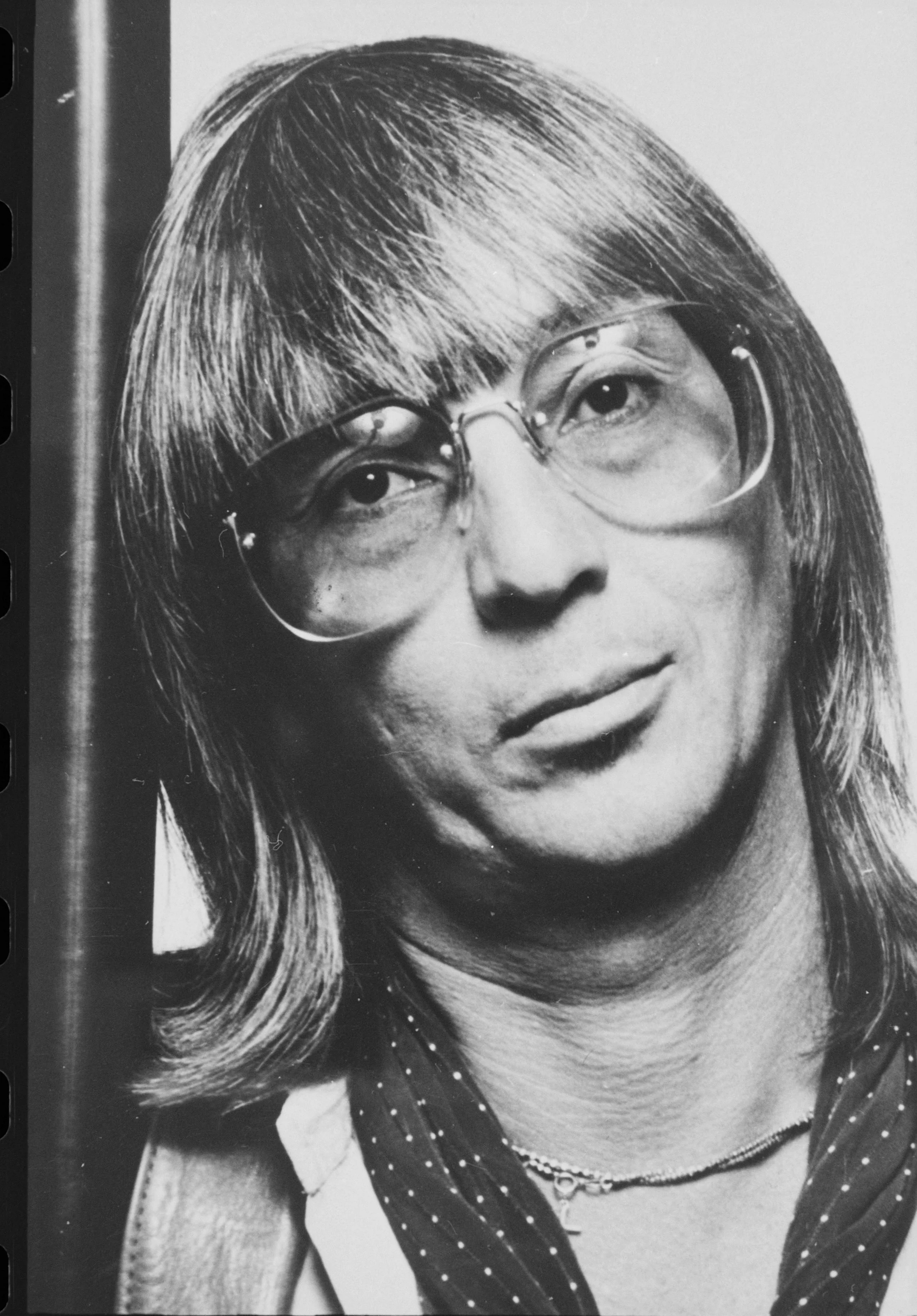
Chris Hinze. Fragments of a Path
Chris Hinze opens a quiet space full of art and presence in the Diesel Power Plant Cottbus. Installation, graphics, and painting starting April 25, 2026. #Art
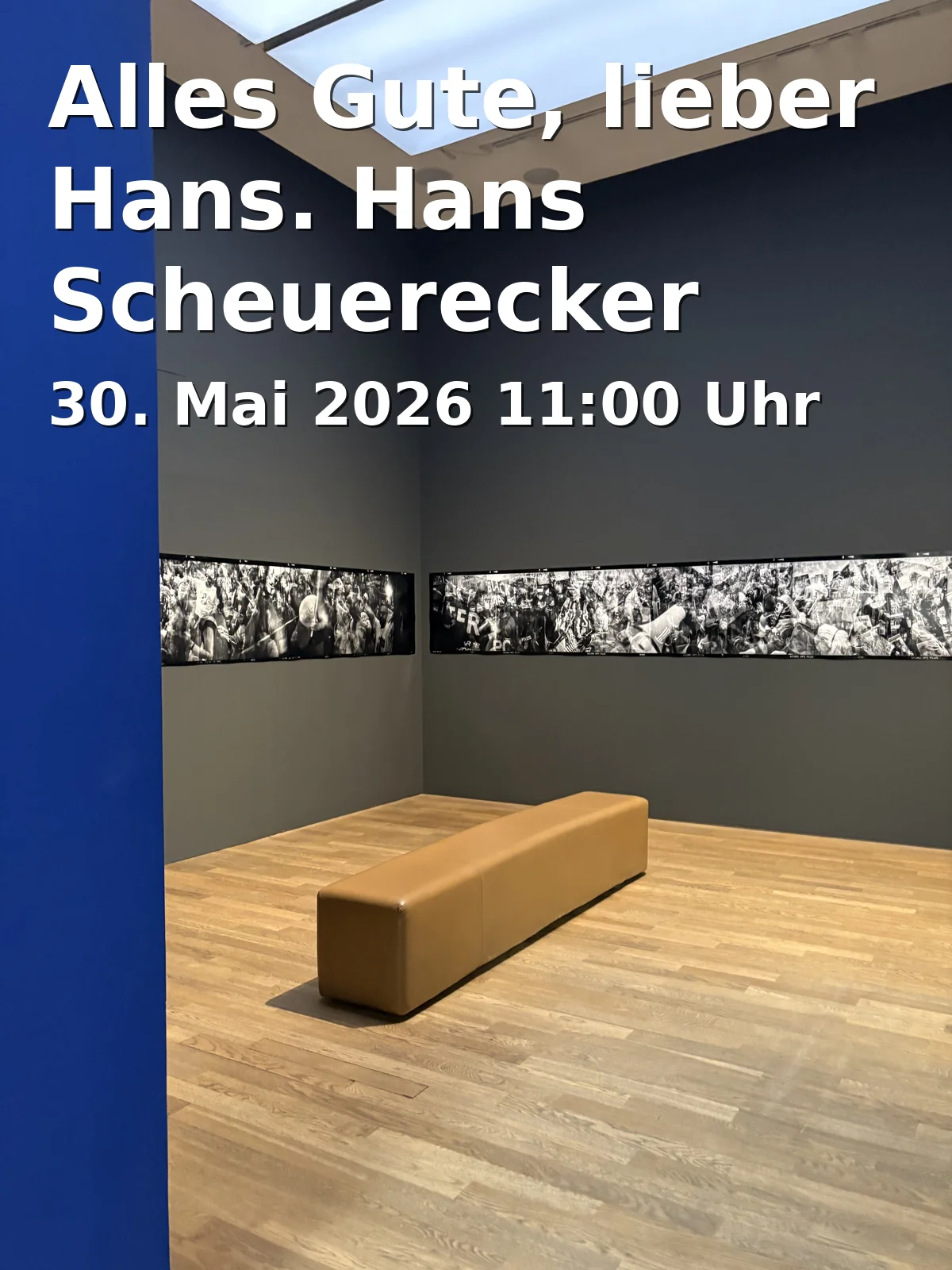
All the best, dear Hans. Hans Scheuerecker's Birthday. Works from the Collection of the BLMK and Private Collections
For Hans Scheuerecker's 75th birthday, the BLMK Cottbus presents a powerful showcase of painting, graphic art, and sculpture. #ArtInCottbus

State of Reception. Collection Accessions from 2021-2025
New works, clear forms, and strong images: State of Reception at the Diesel Power Plant Cottbus showcases collection accessions full of art history. Discover on 14.06.2026. #Art
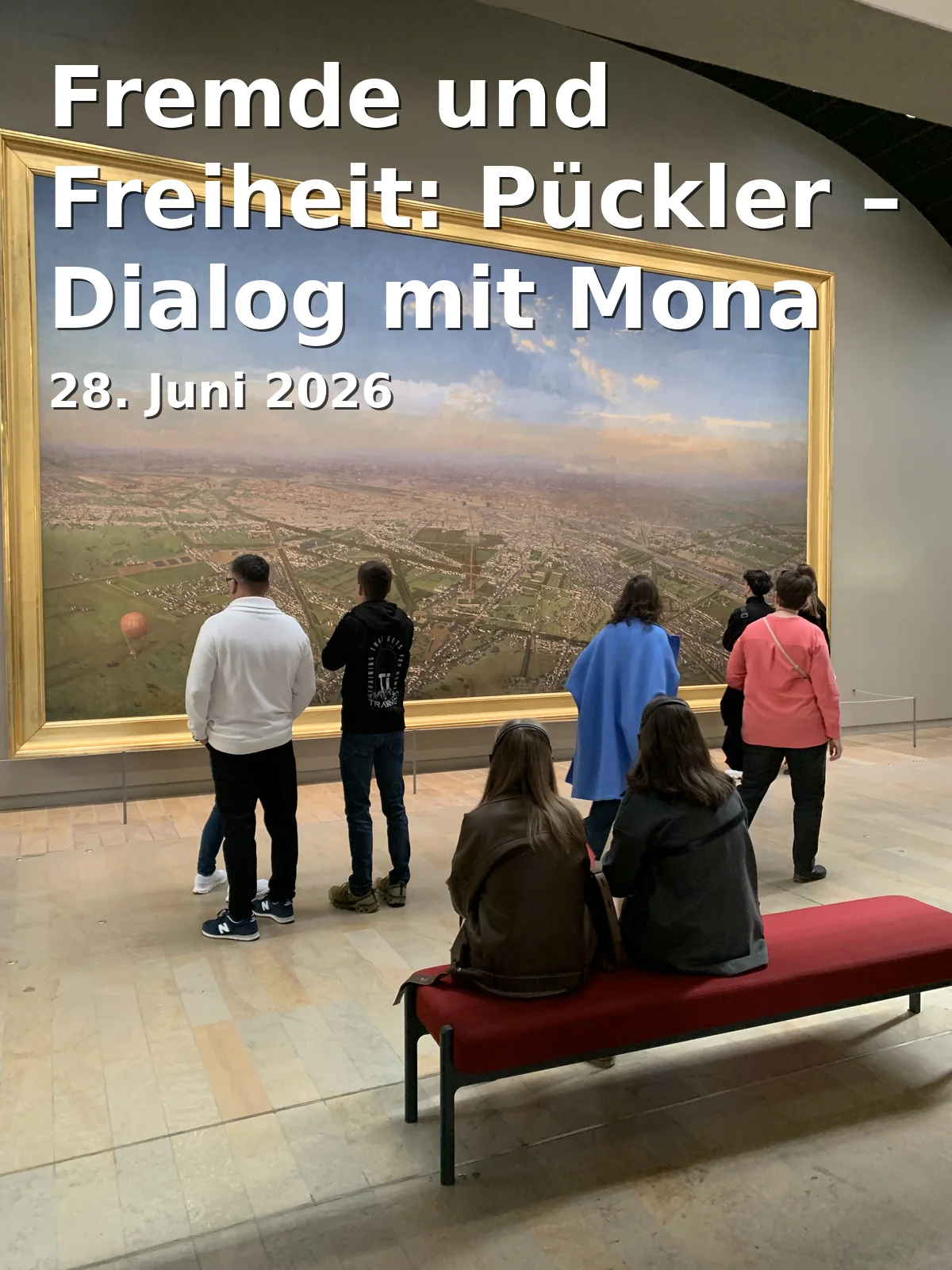
Strangers and Freedom: Pückler – Dialogue with Mona Höke and Kathrin Karras
Discover an artful exhibition in Cottbus that reinterprets the legacy of Prince Pückler in an inspiring way.
Frequently Asked Questions
Reviews
Ali Kasiri
4. January 2026
The exterior architecture and the museum's integration with the landscape are exceptional. The dialogue between the building, the surrounding trees, and the pond—which was beautifully frozen during my visit—is striking. The brick facade perfectly harmonizes with the local context and the "spirit of place" (Genius Loci), while the interior successfully transforms into a modern space suited for a museum. Functional areas like lockers and restrooms are located in the basement, with galleries primarily on the first floor. However, the interior organization leaves room for improvement. I struggled to find a logical circulation path that guides visitors from start to finish; instead, each gallery feels like an isolated room, which can be a drawback for a cultural venue. Additionally, the narrow corridors surrounding the concrete gallery cores felt somewhat redundant. The minimalist white-cube approach in the galleries is effective. By giving the artworks ample space and avoiding clutter, the museum encourages a slower pace of observation. However, the lack of seating areas within the galleries to sit and reflect on the art is a noticeable disadvantage. Practical tip: If you plan to use the lockers, you will need a 1-Euro coin as a deposit/fee.
Aleksey Romanov
19. October 2022
Actually I was pretty much disappointed. The only good point I really enjoyed is architecture - both inside and outside. But exhibitions don't match the level of venue at all, not even close. I didn't see anything more impressive than in average Instagram account.) Some sculptures of local authors, a photography exhibition, 80% of which is not much more "art" than something from my phone camera with only several good exceptions. Disco poster exhibition was really boring, even though I tried hard to catch the point. Maybe it can be interesting for somebody with club scene background. Not for general public. Not that I say it's nothing to look at but I expected much more from the main museum of South Brandenburg. Also, staff is annoying and interferes your tour pretty often. For instance, one of them came to me from downstairs to tell me to leave my backpack in the safe, because "there are sculptures blabla". Sculptures are located in a room with plenty of space and almost no people so I can't even imagine any accidental damage from my bag. Last but not least - nothing is doubled in English. Nothing. I can read German to some extent and understand what I really need, but it slows you down and distracts a lot when you try to understand the descriptions too hard. Again it's a touristy place (at least potentially) and university town with A LOT of internationals.
Shereen Mohamed Ibrahim
17. March 2026
Came to Cottbus and visited the museum with a friend that lives here, honestly very underwhelming, the people were very rude and overall disappointing to say the least. The way they treat their visitors and their coworkers is absolutely awful. Do not visit this place. 0/10!!!
Yüksel Topal
16. July 2022
While walking around the exhibition, you may encounter a rude employee's cursing. There is not the slightest sign of not pressing the green area. How can we know? Don't be rude, be kind.
Md. Shimul Hossain
4. June 2024
This is a nice one place to visit, spending time. Clean environment.