
Cottbus
Wilhelm-Külz-Straße 15, 03046 Cottbus, Deutschland
Old Sailcloth Factory | Events & Art
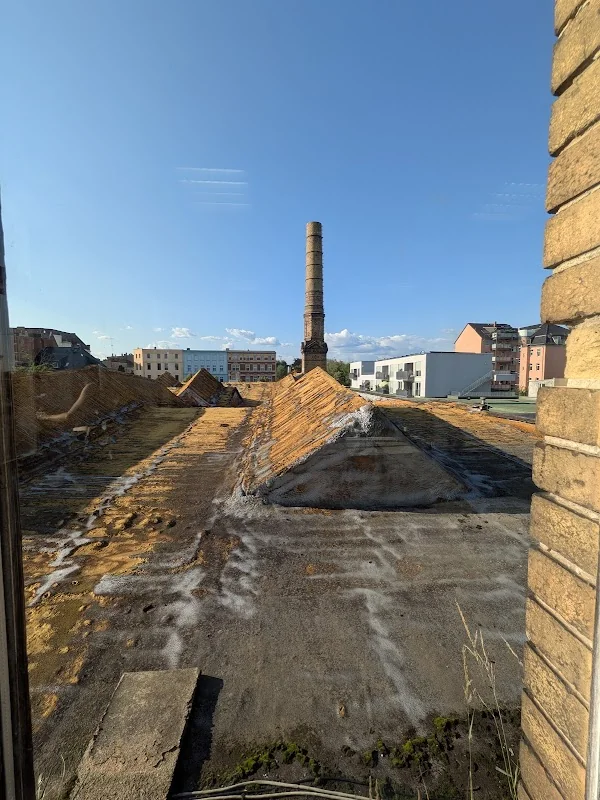
The Old Sailcloth Factory in Cottbus is a place where industrial history and the present come surprisingly close together. Those searching for the location today will find not only an address at Wilhelm-Külz-Straße 15 but also a space that is presented as an event venue on the official city portal and as a cultural and creative space on other Cottbus pages. Particularly striking is the transition between historical building character, artistic interim use, and an event program that in 2026 will be strongly shaped by word art, performance, and festival formats. This very mix is what makes the Old Sailcloth Factory appealing: it is not an interchangeable hall, but a place with identity, history, and a very own atmosphere. For visitors, this means not just an event, but an experience that is strongly connected to the space itself. For organizers, the location offers a stage where cultural formats can be visibly staged in a special environment. The following sections categorize the most important search topics around program, artistic use, history, location, and practical questions as they arise from the currently available information from the city of Cottbus and accompanying sources. ([cottbus.de](https://cottbus.de/veranstaltungsorte/alte-segeltuchfabrik/?utm_source=openai))
Events and Program at the Old Sailcloth Factory
The currently clearest theme surrounding the Old Sailcloth Factory is the events themselves. The city of Cottbus actively lists the location in its event calendar and lists several dates for 2026 there. The next published date is a show evening on May 9, 2026. This is followed by the L/OST POETRY FESTIVAL from July 16 to 18, 2026, which, according to the official description, transforms the Old Sailcloth Factory into a center for word art and sound. Later in the year, additional show dates are scheduled for September 19, 2026, and November 14, 2026. This selection already shows that the location is not fixed to a single format but is used as a flexible cultural space. The focus is primarily on spoken word, performance, readings, and musically poetic hybrids. The city describes the festival as a gathering of international artists from East Germany, East Belgium, Poland, Ukraine, the USA, and the Czech Republic, thus as a consciously open, cross-border format. For SEO relevance, this is important: those searching for program, events, dates, festival, or Cottbus will not only find a mere location here but a place with a current, regularly maintained schedule. This makes the Old Sailcloth Factory particularly interesting for users who want to know not only where the place is but what actually happens there and which cultural formats shape it. The current schedule is not theoretical but concrete and dated, which is valuable for planning visits, content, and search engines alike. ([cottbus.de](https://cottbus.de/veranstaltungsorte/alte-segeltuchfabrik/?utm_source=openai))
Content-wise, the program is closely linked to a cultural narrative that is becoming increasingly visible in Cottbus: from a formerly industrially shaped space to a place for contemporary art, literary experiments, and urban encounters. The L/OST POETRY FESTIVAL consciously utilizes this environment, as the official description states that a so-called lost place becomes a lively home for the lost and the re-heard. Even if such formulations are poetic, they clearly show the direction of the program profile: here, classical concert hall or trade fair formats are not prioritized, but rather hybrid cultural events with artistic ambition. For visitors seeking a special evening, this is attractive because the experience is strongly supported by atmosphere and content. Conversely, for organizers looking for an unusual setting for readings, spoken word, performance, or festival programs, the Old Sailcloth Factory seems tailored to such formats. The fact that the location appears directly in the official city pages in the event section further emphasizes that it is not merely a real estate or monument site but an active cultural place within the ongoing event scene. That is precisely why search terms like events Cottbus, program 2026, festival, and art are so closely linked here. ([cottbus.de](https://cottbus.de/veranstaltungen/l-ost-poetry-festival-das-zuhause-fuer-wortkunst-und-sound-aus-dem-osten/?utm_source=openai))
Pop-Up Studios, Art Hall Lausitz, and Creative Use
A second central theme is the artistic use of the location. The Old Sailcloth Factory regularly appears in Cottbus cultural communication in connection with the open studio days and pop-up studios. In a municipal contribution to the art weekend, the cultural quarter at the train station is explicitly mentioned, stating that there is a place in the sailcloth factory that can be opened for such pop-up studios and community exhibitions. It is also noted that the art project Symb5 was hosted there and that the association ArtFrontale e.V. offered coffee and cake at the sailcloth factory. This is an important indication that the location does not only exist as an event address but is actually used as a workspace and exhibition space. This interim use gives the place depth: the factory is not just a backdrop but part of a vibrant art network in Cottbus. Additionally, the portal Cottbus.digital lists the Old Sailcloth Factory with its address, contact information, and the website kunsthallelausitz.de. This makes it clear that the name Art Hall Lausitz has a real digital and organizational presence in connection with the location. For search queries related to pop-up studios, Art Hall Lausitz, studio, or cultural quarter at the train station, this is crucial because user intent often targets specific creative places and open formats rather than large events. The Old Sailcloth Factory fulfills this search pattern perfectly: it is a place where art is not only exhibited but created, shared, and situationally staged. ([cottbus.de](https://cottbus.de/allgemein/kunstwochenende-mit-tagen-des-offenen-ateliers/))
Particularly interesting is the connection between the local and international art scene. The city contribution about the open studio days mentions not only Cottbus artists but also guests from the partner city Zielona Góra. This makes the sailcloth factory a hub for exchange across city borders. The official description of the art weekend emphasizes that for the first time international participation was possible and that the location in the cultural quarter at the train station is open to these forms of collaboration. This suggests that the location is not only architecturally exciting but also functions as a social and cultural meeting point. Therefore, when searching for Old Sailcloth Factory art, one usually means more than just a building: it refers to a space where studio work, exhibitions, encounters, and neighborhood development intertwine. The fact that not only individual artists perform here but also groups, collaborations, and joint presentations take place makes the location particularly valuable for an SEO strategy. Such formats generate many relevant search signals, such as open studios, exhibitions, art weekend, cultural quarter, or pop-up studio. The sailcloth factory is thus a good example of a place that goes beyond classic event logic and is precisely why it remains visible in local cultural and urban marketing. ([cottbus.de](https://cottbus.de/allgemein/kunstwochenende-mit-tagen-des-offenen-ateliers/))
History of the Sailcloth Factory and Monument Value
The historical dimension of the location is at least as important for search intents surrounding the Old Sailcloth Factory as the current cultural program. Particularly revealing is the citizen inquiry from the citizens' initiative Old Sailcloth Factory from 2018, which explicitly refers to the former sailcloth factory Max Lehmann. It emphasizes that the building, from the perspective of the initiators, lies within the monument area of the Western City Expansion and must therefore be considered worthy of protection. This perspective is supported by a statement from the State Office for Monument Preservation, which is cited in a local report. It states that the building complex is not only significant in terms of location, construction, economy, and urban planning but also has a rarity value in the transformation of historical industrial heritage. The report also points out that the factory complex is seen as an essential component within the monument area and offers good opportunities for further use due to its structure. This dual role is historically significant: the Old Sailcloth Factory is not just a nicely renovated old building but an industrial building with cultural and urban historical weight. From an SEO perspective, this means that terms like history, monument, sailcloth factory Max Lehmann, and Western City Expansion are not just side aspects but central relevance terms for the entire perception of the location. The history of the place also explains why its current use is so emotionally charged: it is not just about event spaces but about dealing with an industrial heritage that should not simply disappear. ([cottbus.de](https://cottbus.de/wp-content/uploads/2025/05/.files_oparl_file_7fc40463-ddcc-4864-bc60-06bb3eeed1d1_anfrage_3733_Dokument_1.pdf.pdf))
The monument-related debate makes the Old Sailcloth Factory interesting beyond Cottbus because it exemplifies how cities deal with historical industrial facilities. The citizens' initiative argued as early as 2018 that a conversion with expansion while retaining essential elements of the former factory building could be in the public interest. This is a typical pattern in cities with a strong industrial heritage: tensions arise between preservation, conversion, new construction, and interim use that extend far beyond the question of a single building. In this case, the location was placed in a larger urban planning context linked to the development plan for the Northern Train Area and the Karree project at the Spreewald train station. Even if these plans are not identical to the current cultural use, they show how strongly the location has been and continues to be present in urban development discourse. For readers searching for background, heritage, or history, this is a crucial added value: the Old Sailcloth Factory stands for the attempt to bring together industrial substance, urban development, and cultural reuse. This mix of memorial site, planning subject, and activation area is one of the reasons why the name is so frequently associated with terms like monument area, worth preserving, and historical industrial facility. ([cottbus.de](https://cottbus.de/wp-content/uploads/2025/05/.files_oparl_file_7fc40463-ddcc-4864-bc60-06bb3eeed1d1_anfrage_3733_Dokument_1.pdf.pdf))
Address, Location, and Arrival at Wilhelm-Külz-Straße 15
The most important practical information is the location: the Old Sailcloth Factory is located at Wilhelm-Külz-Straße 15, 03046 Cottbus. This address is mentioned on the official location page of the city as well as on other municipal and regional portals. For search intents regarding address, directions, or location, this is the basis. The city page also refers to the location on Google Maps, which shows that the place is officially treated as a discoverable event venue. In city communication, the area is also mentioned in connection with the cultural quarter at the train station, which is helpful for spatial orientation: the sailcloth factory is not isolated but situated in an urban development and cultural context closely connected to the train station environment. This is particularly important for visitors because such a location is typically perceived differently than a mere event hall on the outskirts of town. So, those searching for Wilhelm-Külz-Straße 15, directions to the Old Sailcloth Factory, or Sailcloth Factory Cottbus will find a clear, central place within the city structure. Even if no detailed directions for pedestrians, cyclists, or drivers are provided on publicly accessible pages, the address itself is already a strong point of orientation. The official representation is sufficient for basic navigation, while individual event pages can provide additional information. This makes the location particularly suitable for users who need a precise location without having to navigate unclear or contradictory third-party information. ([cottbus.de](https://cottbus.de/veranstaltungsorte/alte-segeltuchfabrik/?utm_source=openai))
Regarding parking, only what is publicly visible can be said: the official location page provides the address and a map link but does not specify separate visitor parking or a dedicated parking garage. This is relevant for many search queries because users want to know before a visit whether a location offers easy arrival conditions. Therefore, one should not claim more than is substantiated. The reliable statement is: the Old Sailcloth Factory is clearly located by address, but the parking situation is not separately explained on the visible official pages. Anyone wishing to attend a specific event should therefore click on the respective event and check the current information from the city or the organizer. Especially in a cultural location within a development context, logistics can vary from event to event. For SEO planning, this mix is particularly interesting: the search terms directions, address, and parking are strong, but the factual situation is nuanced. Therefore, the content page should not make blanket parking promises but should focus on the verified address, the map link, and event-related information. This builds trust and prevents false expectations upon arrival. ([cottbus.de](https://cottbus.de/veranstaltungsorte/alte-segeltuchfabrik/?utm_source=openai))
Why the Place is So Exciting as a Lost Place and Cultural Venue
The Old Sailcloth Factory is also highly sought after because it embodies an exciting contrast: on one side a historical industrial site, on the other a vibrant cultural space. This tension is made visible in several official texts. The city describes the L/OST POETRY Festival as an activation of a lost place that is transformed into a home for word art and sound for a few days. This formulation is not chosen randomly but makes it clear that the building is interesting not only because of its past but precisely because of its present as an artistically used space. The term lost place generates curiosity, while the term cultural venue signals reliability and usability. Together, they create a profile that works very well in the digital space because it covers both emotional and factual search intents. Those searching for lost place Cottbus, industrial charm, historical ambiance, or extraordinary event location will find a place that meets these expectations. At the same time, the official cultural communication prevents the location from being perceived merely as an abandoned object. Instead, it is made visible as a place with a program, participation, and public use. This is particularly helpful for ranking because search engines can connect relevant user signals from topics like culture, history, festival, and art. Therefore, the Old Sailcloth Factory is not just a beautiful name but a strong semantic hub between past and future. ([cottbus.de](https://cottbus.de/veranstaltungen/l-ost-poetry-festival-das-zuhause-fuer-wortkunst-und-sound-aus-dem-osten/?utm_source=openai))
The feeling of openness also plays a role. The municipal contributions to the open studio days show that the sailcloth factory offers space for pop-up studios, community exhibitions, and informal art encounters. Such formats appear low-threshold yet high-quality because they directly engage visitors in the creative work. Unlike classical venues, no distanced audience role is created here, but rather a closer, often personal connection to the art. This makes the place interesting for a broad audience: for cultural travelers, for local visitors, for artists, for initiatives, and also for people who simply want to discover an unusual place in Cottbus. Particularly valuable is the anchoring in the quarter at the train station. Such a context ensures that the place does not appear isolated but stands in an urban development area where culture, mobility, and urban change come together. The Old Sailcloth Factory thus tells not only of a factory but also of a city that is rethinking its industrial spaces. This is precisely where its special charm lies: it is nostalgic enough to make history palpable and lively enough to carry new content. This combination is rare and makes the location a strong target for content related to events, art, history, and urban transformation. ([cottbus.de](https://cottbus.de/allgemein/kunstwochenende-mit-tagen-des-offenen-ateliers/))
Practical Information on Dates, Contact, and Visits
Anyone wishing to visit the Old Sailcloth Factory or plan for an appointment should primarily keep an eye on the official event page of the city of Cottbus. There, the dates with day and time are published and regularly updated. This is the most reliable entry point when searching for program, next event, or festival date. Additionally, the portal Cottbus.digital provides an address, a contact phone number, and a link to the website kunsthallelausitz.de. Even though no general opening hours are listed on the page, the combination of event portal, art site, and city calendar already shows that the place is integrated into an active usage structure. For visitors, this means: do not expect a rigid opening logic but always check the specific date. This is normal for cultural venues with changing formats and often even an advantage because it allows the place to respond flexibly to projects. For example, those wishing to attend the L/OST POETRY Festival should use the official city page; those interested in open studios or community exhibitions will find information more in the cultural articles and PDF programs of the city. This creates an information pathway that covers multiple search intents: date, contact, art program, event, and location. For SEO, this is ideal because users are specifically looking for this combination. The Old Sailcloth Factory thus functions as a hub between official city communication, the cultural scene, and digital discoverability. ([cottbus.de](https://cottbus.de/veranstaltungsorte/alte-segeltuchfabrik/?utm_source=openai))
The contact is also practically resolved: the portal Wirtschaft Lausitz also lists the address and provides a phone number for the Old Sailcloth Factory. Together with the website kunsthallelausitz.de, this creates an additional digital anchor point alongside the municipal event page. For users planning an event or seeking further information, this is helpful because they not only receive the historical or cultural perspective but also find a contact person. At the same time, one should clearly differentiate between the various information sources: the city page is authoritative for date data, the cultural and studio material for use as an art space, and the regional portals for additional contact and contextual information. This distinction is important if content is to remain fact-based. The Old Sailcloth Factory is not a place to speak of in general terms; one must consider the respective usage mode. Sometimes it is an event venue, sometimes a pop-up studio, sometimes part of a festival project, and sometimes the subject of a monument-related debate. Therefore, anyone wishing to describe the location seriously should always keep in mind the current use and the official source. This keeps the content credible, current, and useful for both search engines and visitors alike. ([wirtschaft-lausitz.de](https://www.wirtschaft-lausitz.de/component/lmdb/location/alte-segeltuchfabrik?Itemid=101))
Sources:
- City of Cottbus - Old Sailcloth Factory
- City of Cottbus - L/OST POETRY Festival
- City of Cottbus - L/OST POETRY Show Date
- City of Cottbus - Art Weekend with Open Studio Days
- Niederlausitz aktuell - State Monument Preservation Strengthens Cottbus Citizens' Initiative Sailcloth Factory
- City of Cottbus - Citizen Inquiry Citizens' Initiative Old Sailcloth Factory
- Cottbus.digital - Old Sailcloth Factory
- Wirtschaft Lausitz - Old Sailcloth Factory
Show moreShow less
Old Sailcloth Factory | Events & Art
The Old Sailcloth Factory in Cottbus is a place where industrial history and the present come surprisingly close together. Those searching for the location today will find not only an address at Wilhelm-Külz-Straße 15 but also a space that is presented as an event venue on the official city portal and as a cultural and creative space on other Cottbus pages. Particularly striking is the transition between historical building character, artistic interim use, and an event program that in 2026 will be strongly shaped by word art, performance, and festival formats. This very mix is what makes the Old Sailcloth Factory appealing: it is not an interchangeable hall, but a place with identity, history, and a very own atmosphere. For visitors, this means not just an event, but an experience that is strongly connected to the space itself. For organizers, the location offers a stage where cultural formats can be visibly staged in a special environment. The following sections categorize the most important search topics around program, artistic use, history, location, and practical questions as they arise from the currently available information from the city of Cottbus and accompanying sources. ([cottbus.de](https://cottbus.de/veranstaltungsorte/alte-segeltuchfabrik/?utm_source=openai))
Events and Program at the Old Sailcloth Factory
The currently clearest theme surrounding the Old Sailcloth Factory is the events themselves. The city of Cottbus actively lists the location in its event calendar and lists several dates for 2026 there. The next published date is a show evening on May 9, 2026. This is followed by the L/OST POETRY FESTIVAL from July 16 to 18, 2026, which, according to the official description, transforms the Old Sailcloth Factory into a center for word art and sound. Later in the year, additional show dates are scheduled for September 19, 2026, and November 14, 2026. This selection already shows that the location is not fixed to a single format but is used as a flexible cultural space. The focus is primarily on spoken word, performance, readings, and musically poetic hybrids. The city describes the festival as a gathering of international artists from East Germany, East Belgium, Poland, Ukraine, the USA, and the Czech Republic, thus as a consciously open, cross-border format. For SEO relevance, this is important: those searching for program, events, dates, festival, or Cottbus will not only find a mere location here but a place with a current, regularly maintained schedule. This makes the Old Sailcloth Factory particularly interesting for users who want to know not only where the place is but what actually happens there and which cultural formats shape it. The current schedule is not theoretical but concrete and dated, which is valuable for planning visits, content, and search engines alike. ([cottbus.de](https://cottbus.de/veranstaltungsorte/alte-segeltuchfabrik/?utm_source=openai))
Content-wise, the program is closely linked to a cultural narrative that is becoming increasingly visible in Cottbus: from a formerly industrially shaped space to a place for contemporary art, literary experiments, and urban encounters. The L/OST POETRY FESTIVAL consciously utilizes this environment, as the official description states that a so-called lost place becomes a lively home for the lost and the re-heard. Even if such formulations are poetic, they clearly show the direction of the program profile: here, classical concert hall or trade fair formats are not prioritized, but rather hybrid cultural events with artistic ambition. For visitors seeking a special evening, this is attractive because the experience is strongly supported by atmosphere and content. Conversely, for organizers looking for an unusual setting for readings, spoken word, performance, or festival programs, the Old Sailcloth Factory seems tailored to such formats. The fact that the location appears directly in the official city pages in the event section further emphasizes that it is not merely a real estate or monument site but an active cultural place within the ongoing event scene. That is precisely why search terms like events Cottbus, program 2026, festival, and art are so closely linked here. ([cottbus.de](https://cottbus.de/veranstaltungen/l-ost-poetry-festival-das-zuhause-fuer-wortkunst-und-sound-aus-dem-osten/?utm_source=openai))
Pop-Up Studios, Art Hall Lausitz, and Creative Use
A second central theme is the artistic use of the location. The Old Sailcloth Factory regularly appears in Cottbus cultural communication in connection with the open studio days and pop-up studios. In a municipal contribution to the art weekend, the cultural quarter at the train station is explicitly mentioned, stating that there is a place in the sailcloth factory that can be opened for such pop-up studios and community exhibitions. It is also noted that the art project Symb5 was hosted there and that the association ArtFrontale e.V. offered coffee and cake at the sailcloth factory. This is an important indication that the location does not only exist as an event address but is actually used as a workspace and exhibition space. This interim use gives the place depth: the factory is not just a backdrop but part of a vibrant art network in Cottbus. Additionally, the portal Cottbus.digital lists the Old Sailcloth Factory with its address, contact information, and the website kunsthallelausitz.de. This makes it clear that the name Art Hall Lausitz has a real digital and organizational presence in connection with the location. For search queries related to pop-up studios, Art Hall Lausitz, studio, or cultural quarter at the train station, this is crucial because user intent often targets specific creative places and open formats rather than large events. The Old Sailcloth Factory fulfills this search pattern perfectly: it is a place where art is not only exhibited but created, shared, and situationally staged. ([cottbus.de](https://cottbus.de/allgemein/kunstwochenende-mit-tagen-des-offenen-ateliers/))
Particularly interesting is the connection between the local and international art scene. The city contribution about the open studio days mentions not only Cottbus artists but also guests from the partner city Zielona Góra. This makes the sailcloth factory a hub for exchange across city borders. The official description of the art weekend emphasizes that for the first time international participation was possible and that the location in the cultural quarter at the train station is open to these forms of collaboration. This suggests that the location is not only architecturally exciting but also functions as a social and cultural meeting point. Therefore, when searching for Old Sailcloth Factory art, one usually means more than just a building: it refers to a space where studio work, exhibitions, encounters, and neighborhood development intertwine. The fact that not only individual artists perform here but also groups, collaborations, and joint presentations take place makes the location particularly valuable for an SEO strategy. Such formats generate many relevant search signals, such as open studios, exhibitions, art weekend, cultural quarter, or pop-up studio. The sailcloth factory is thus a good example of a place that goes beyond classic event logic and is precisely why it remains visible in local cultural and urban marketing. ([cottbus.de](https://cottbus.de/allgemein/kunstwochenende-mit-tagen-des-offenen-ateliers/))
History of the Sailcloth Factory and Monument Value
The historical dimension of the location is at least as important for search intents surrounding the Old Sailcloth Factory as the current cultural program. Particularly revealing is the citizen inquiry from the citizens' initiative Old Sailcloth Factory from 2018, which explicitly refers to the former sailcloth factory Max Lehmann. It emphasizes that the building, from the perspective of the initiators, lies within the monument area of the Western City Expansion and must therefore be considered worthy of protection. This perspective is supported by a statement from the State Office for Monument Preservation, which is cited in a local report. It states that the building complex is not only significant in terms of location, construction, economy, and urban planning but also has a rarity value in the transformation of historical industrial heritage. The report also points out that the factory complex is seen as an essential component within the monument area and offers good opportunities for further use due to its structure. This dual role is historically significant: the Old Sailcloth Factory is not just a nicely renovated old building but an industrial building with cultural and urban historical weight. From an SEO perspective, this means that terms like history, monument, sailcloth factory Max Lehmann, and Western City Expansion are not just side aspects but central relevance terms for the entire perception of the location. The history of the place also explains why its current use is so emotionally charged: it is not just about event spaces but about dealing with an industrial heritage that should not simply disappear. ([cottbus.de](https://cottbus.de/wp-content/uploads/2025/05/.files_oparl_file_7fc40463-ddcc-4864-bc60-06bb3eeed1d1_anfrage_3733_Dokument_1.pdf.pdf))
The monument-related debate makes the Old Sailcloth Factory interesting beyond Cottbus because it exemplifies how cities deal with historical industrial facilities. The citizens' initiative argued as early as 2018 that a conversion with expansion while retaining essential elements of the former factory building could be in the public interest. This is a typical pattern in cities with a strong industrial heritage: tensions arise between preservation, conversion, new construction, and interim use that extend far beyond the question of a single building. In this case, the location was placed in a larger urban planning context linked to the development plan for the Northern Train Area and the Karree project at the Spreewald train station. Even if these plans are not identical to the current cultural use, they show how strongly the location has been and continues to be present in urban development discourse. For readers searching for background, heritage, or history, this is a crucial added value: the Old Sailcloth Factory stands for the attempt to bring together industrial substance, urban development, and cultural reuse. This mix of memorial site, planning subject, and activation area is one of the reasons why the name is so frequently associated with terms like monument area, worth preserving, and historical industrial facility. ([cottbus.de](https://cottbus.de/wp-content/uploads/2025/05/.files_oparl_file_7fc40463-ddcc-4864-bc60-06bb3eeed1d1_anfrage_3733_Dokument_1.pdf.pdf))
Address, Location, and Arrival at Wilhelm-Külz-Straße 15
The most important practical information is the location: the Old Sailcloth Factory is located at Wilhelm-Külz-Straße 15, 03046 Cottbus. This address is mentioned on the official location page of the city as well as on other municipal and regional portals. For search intents regarding address, directions, or location, this is the basis. The city page also refers to the location on Google Maps, which shows that the place is officially treated as a discoverable event venue. In city communication, the area is also mentioned in connection with the cultural quarter at the train station, which is helpful for spatial orientation: the sailcloth factory is not isolated but situated in an urban development and cultural context closely connected to the train station environment. This is particularly important for visitors because such a location is typically perceived differently than a mere event hall on the outskirts of town. So, those searching for Wilhelm-Külz-Straße 15, directions to the Old Sailcloth Factory, or Sailcloth Factory Cottbus will find a clear, central place within the city structure. Even if no detailed directions for pedestrians, cyclists, or drivers are provided on publicly accessible pages, the address itself is already a strong point of orientation. The official representation is sufficient for basic navigation, while individual event pages can provide additional information. This makes the location particularly suitable for users who need a precise location without having to navigate unclear or contradictory third-party information. ([cottbus.de](https://cottbus.de/veranstaltungsorte/alte-segeltuchfabrik/?utm_source=openai))
Regarding parking, only what is publicly visible can be said: the official location page provides the address and a map link but does not specify separate visitor parking or a dedicated parking garage. This is relevant for many search queries because users want to know before a visit whether a location offers easy arrival conditions. Therefore, one should not claim more than is substantiated. The reliable statement is: the Old Sailcloth Factory is clearly located by address, but the parking situation is not separately explained on the visible official pages. Anyone wishing to attend a specific event should therefore click on the respective event and check the current information from the city or the organizer. Especially in a cultural location within a development context, logistics can vary from event to event. For SEO planning, this mix is particularly interesting: the search terms directions, address, and parking are strong, but the factual situation is nuanced. Therefore, the content page should not make blanket parking promises but should focus on the verified address, the map link, and event-related information. This builds trust and prevents false expectations upon arrival. ([cottbus.de](https://cottbus.de/veranstaltungsorte/alte-segeltuchfabrik/?utm_source=openai))
Why the Place is So Exciting as a Lost Place and Cultural Venue
The Old Sailcloth Factory is also highly sought after because it embodies an exciting contrast: on one side a historical industrial site, on the other a vibrant cultural space. This tension is made visible in several official texts. The city describes the L/OST POETRY Festival as an activation of a lost place that is transformed into a home for word art and sound for a few days. This formulation is not chosen randomly but makes it clear that the building is interesting not only because of its past but precisely because of its present as an artistically used space. The term lost place generates curiosity, while the term cultural venue signals reliability and usability. Together, they create a profile that works very well in the digital space because it covers both emotional and factual search intents. Those searching for lost place Cottbus, industrial charm, historical ambiance, or extraordinary event location will find a place that meets these expectations. At the same time, the official cultural communication prevents the location from being perceived merely as an abandoned object. Instead, it is made visible as a place with a program, participation, and public use. This is particularly helpful for ranking because search engines can connect relevant user signals from topics like culture, history, festival, and art. Therefore, the Old Sailcloth Factory is not just a beautiful name but a strong semantic hub between past and future. ([cottbus.de](https://cottbus.de/veranstaltungen/l-ost-poetry-festival-das-zuhause-fuer-wortkunst-und-sound-aus-dem-osten/?utm_source=openai))
The feeling of openness also plays a role. The municipal contributions to the open studio days show that the sailcloth factory offers space for pop-up studios, community exhibitions, and informal art encounters. Such formats appear low-threshold yet high-quality because they directly engage visitors in the creative work. Unlike classical venues, no distanced audience role is created here, but rather a closer, often personal connection to the art. This makes the place interesting for a broad audience: for cultural travelers, for local visitors, for artists, for initiatives, and also for people who simply want to discover an unusual place in Cottbus. Particularly valuable is the anchoring in the quarter at the train station. Such a context ensures that the place does not appear isolated but stands in an urban development area where culture, mobility, and urban change come together. The Old Sailcloth Factory thus tells not only of a factory but also of a city that is rethinking its industrial spaces. This is precisely where its special charm lies: it is nostalgic enough to make history palpable and lively enough to carry new content. This combination is rare and makes the location a strong target for content related to events, art, history, and urban transformation. ([cottbus.de](https://cottbus.de/allgemein/kunstwochenende-mit-tagen-des-offenen-ateliers/))
Practical Information on Dates, Contact, and Visits
Anyone wishing to visit the Old Sailcloth Factory or plan for an appointment should primarily keep an eye on the official event page of the city of Cottbus. There, the dates with day and time are published and regularly updated. This is the most reliable entry point when searching for program, next event, or festival date. Additionally, the portal Cottbus.digital provides an address, a contact phone number, and a link to the website kunsthallelausitz.de. Even though no general opening hours are listed on the page, the combination of event portal, art site, and city calendar already shows that the place is integrated into an active usage structure. For visitors, this means: do not expect a rigid opening logic but always check the specific date. This is normal for cultural venues with changing formats and often even an advantage because it allows the place to respond flexibly to projects. For example, those wishing to attend the L/OST POETRY Festival should use the official city page; those interested in open studios or community exhibitions will find information more in the cultural articles and PDF programs of the city. This creates an information pathway that covers multiple search intents: date, contact, art program, event, and location. For SEO, this is ideal because users are specifically looking for this combination. The Old Sailcloth Factory thus functions as a hub between official city communication, the cultural scene, and digital discoverability. ([cottbus.de](https://cottbus.de/veranstaltungsorte/alte-segeltuchfabrik/?utm_source=openai))
The contact is also practically resolved: the portal Wirtschaft Lausitz also lists the address and provides a phone number for the Old Sailcloth Factory. Together with the website kunsthallelausitz.de, this creates an additional digital anchor point alongside the municipal event page. For users planning an event or seeking further information, this is helpful because they not only receive the historical or cultural perspective but also find a contact person. At the same time, one should clearly differentiate between the various information sources: the city page is authoritative for date data, the cultural and studio material for use as an art space, and the regional portals for additional contact and contextual information. This distinction is important if content is to remain fact-based. The Old Sailcloth Factory is not a place to speak of in general terms; one must consider the respective usage mode. Sometimes it is an event venue, sometimes a pop-up studio, sometimes part of a festival project, and sometimes the subject of a monument-related debate. Therefore, anyone wishing to describe the location seriously should always keep in mind the current use and the official source. This keeps the content credible, current, and useful for both search engines and visitors alike. ([wirtschaft-lausitz.de](https://www.wirtschaft-lausitz.de/component/lmdb/location/alte-segeltuchfabrik?Itemid=101))
Sources:
- City of Cottbus - Old Sailcloth Factory
- City of Cottbus - L/OST POETRY Festival
- City of Cottbus - L/OST POETRY Show Date
- City of Cottbus - Art Weekend with Open Studio Days
- Niederlausitz aktuell - State Monument Preservation Strengthens Cottbus Citizens' Initiative Sailcloth Factory
- City of Cottbus - Citizen Inquiry Citizens' Initiative Old Sailcloth Factory
- Cottbus.digital - Old Sailcloth Factory
- Wirtschaft Lausitz - Old Sailcloth Factory
Old Sailcloth Factory | Events & Art
The Old Sailcloth Factory in Cottbus is a place where industrial history and the present come surprisingly close together. Those searching for the location today will find not only an address at Wilhelm-Külz-Straße 15 but also a space that is presented as an event venue on the official city portal and as a cultural and creative space on other Cottbus pages. Particularly striking is the transition between historical building character, artistic interim use, and an event program that in 2026 will be strongly shaped by word art, performance, and festival formats. This very mix is what makes the Old Sailcloth Factory appealing: it is not an interchangeable hall, but a place with identity, history, and a very own atmosphere. For visitors, this means not just an event, but an experience that is strongly connected to the space itself. For organizers, the location offers a stage where cultural formats can be visibly staged in a special environment. The following sections categorize the most important search topics around program, artistic use, history, location, and practical questions as they arise from the currently available information from the city of Cottbus and accompanying sources. ([cottbus.de](https://cottbus.de/veranstaltungsorte/alte-segeltuchfabrik/?utm_source=openai))
Events and Program at the Old Sailcloth Factory
The currently clearest theme surrounding the Old Sailcloth Factory is the events themselves. The city of Cottbus actively lists the location in its event calendar and lists several dates for 2026 there. The next published date is a show evening on May 9, 2026. This is followed by the L/OST POETRY FESTIVAL from July 16 to 18, 2026, which, according to the official description, transforms the Old Sailcloth Factory into a center for word art and sound. Later in the year, additional show dates are scheduled for September 19, 2026, and November 14, 2026. This selection already shows that the location is not fixed to a single format but is used as a flexible cultural space. The focus is primarily on spoken word, performance, readings, and musically poetic hybrids. The city describes the festival as a gathering of international artists from East Germany, East Belgium, Poland, Ukraine, the USA, and the Czech Republic, thus as a consciously open, cross-border format. For SEO relevance, this is important: those searching for program, events, dates, festival, or Cottbus will not only find a mere location here but a place with a current, regularly maintained schedule. This makes the Old Sailcloth Factory particularly interesting for users who want to know not only where the place is but what actually happens there and which cultural formats shape it. The current schedule is not theoretical but concrete and dated, which is valuable for planning visits, content, and search engines alike. ([cottbus.de](https://cottbus.de/veranstaltungsorte/alte-segeltuchfabrik/?utm_source=openai))
Content-wise, the program is closely linked to a cultural narrative that is becoming increasingly visible in Cottbus: from a formerly industrially shaped space to a place for contemporary art, literary experiments, and urban encounters. The L/OST POETRY FESTIVAL consciously utilizes this environment, as the official description states that a so-called lost place becomes a lively home for the lost and the re-heard. Even if such formulations are poetic, they clearly show the direction of the program profile: here, classical concert hall or trade fair formats are not prioritized, but rather hybrid cultural events with artistic ambition. For visitors seeking a special evening, this is attractive because the experience is strongly supported by atmosphere and content. Conversely, for organizers looking for an unusual setting for readings, spoken word, performance, or festival programs, the Old Sailcloth Factory seems tailored to such formats. The fact that the location appears directly in the official city pages in the event section further emphasizes that it is not merely a real estate or monument site but an active cultural place within the ongoing event scene. That is precisely why search terms like events Cottbus, program 2026, festival, and art are so closely linked here. ([cottbus.de](https://cottbus.de/veranstaltungen/l-ost-poetry-festival-das-zuhause-fuer-wortkunst-und-sound-aus-dem-osten/?utm_source=openai))
Pop-Up Studios, Art Hall Lausitz, and Creative Use
A second central theme is the artistic use of the location. The Old Sailcloth Factory regularly appears in Cottbus cultural communication in connection with the open studio days and pop-up studios. In a municipal contribution to the art weekend, the cultural quarter at the train station is explicitly mentioned, stating that there is a place in the sailcloth factory that can be opened for such pop-up studios and community exhibitions. It is also noted that the art project Symb5 was hosted there and that the association ArtFrontale e.V. offered coffee and cake at the sailcloth factory. This is an important indication that the location does not only exist as an event address but is actually used as a workspace and exhibition space. This interim use gives the place depth: the factory is not just a backdrop but part of a vibrant art network in Cottbus. Additionally, the portal Cottbus.digital lists the Old Sailcloth Factory with its address, contact information, and the website kunsthallelausitz.de. This makes it clear that the name Art Hall Lausitz has a real digital and organizational presence in connection with the location. For search queries related to pop-up studios, Art Hall Lausitz, studio, or cultural quarter at the train station, this is crucial because user intent often targets specific creative places and open formats rather than large events. The Old Sailcloth Factory fulfills this search pattern perfectly: it is a place where art is not only exhibited but created, shared, and situationally staged. ([cottbus.de](https://cottbus.de/allgemein/kunstwochenende-mit-tagen-des-offenen-ateliers/))
Particularly interesting is the connection between the local and international art scene. The city contribution about the open studio days mentions not only Cottbus artists but also guests from the partner city Zielona Góra. This makes the sailcloth factory a hub for exchange across city borders. The official description of the art weekend emphasizes that for the first time international participation was possible and that the location in the cultural quarter at the train station is open to these forms of collaboration. This suggests that the location is not only architecturally exciting but also functions as a social and cultural meeting point. Therefore, when searching for Old Sailcloth Factory art, one usually means more than just a building: it refers to a space where studio work, exhibitions, encounters, and neighborhood development intertwine. The fact that not only individual artists perform here but also groups, collaborations, and joint presentations take place makes the location particularly valuable for an SEO strategy. Such formats generate many relevant search signals, such as open studios, exhibitions, art weekend, cultural quarter, or pop-up studio. The sailcloth factory is thus a good example of a place that goes beyond classic event logic and is precisely why it remains visible in local cultural and urban marketing. ([cottbus.de](https://cottbus.de/allgemein/kunstwochenende-mit-tagen-des-offenen-ateliers/))
History of the Sailcloth Factory and Monument Value
The historical dimension of the location is at least as important for search intents surrounding the Old Sailcloth Factory as the current cultural program. Particularly revealing is the citizen inquiry from the citizens' initiative Old Sailcloth Factory from 2018, which explicitly refers to the former sailcloth factory Max Lehmann. It emphasizes that the building, from the perspective of the initiators, lies within the monument area of the Western City Expansion and must therefore be considered worthy of protection. This perspective is supported by a statement from the State Office for Monument Preservation, which is cited in a local report. It states that the building complex is not only significant in terms of location, construction, economy, and urban planning but also has a rarity value in the transformation of historical industrial heritage. The report also points out that the factory complex is seen as an essential component within the monument area and offers good opportunities for further use due to its structure. This dual role is historically significant: the Old Sailcloth Factory is not just a nicely renovated old building but an industrial building with cultural and urban historical weight. From an SEO perspective, this means that terms like history, monument, sailcloth factory Max Lehmann, and Western City Expansion are not just side aspects but central relevance terms for the entire perception of the location. The history of the place also explains why its current use is so emotionally charged: it is not just about event spaces but about dealing with an industrial heritage that should not simply disappear. ([cottbus.de](https://cottbus.de/wp-content/uploads/2025/05/.files_oparl_file_7fc40463-ddcc-4864-bc60-06bb3eeed1d1_anfrage_3733_Dokument_1.pdf.pdf))
The monument-related debate makes the Old Sailcloth Factory interesting beyond Cottbus because it exemplifies how cities deal with historical industrial facilities. The citizens' initiative argued as early as 2018 that a conversion with expansion while retaining essential elements of the former factory building could be in the public interest. This is a typical pattern in cities with a strong industrial heritage: tensions arise between preservation, conversion, new construction, and interim use that extend far beyond the question of a single building. In this case, the location was placed in a larger urban planning context linked to the development plan for the Northern Train Area and the Karree project at the Spreewald train station. Even if these plans are not identical to the current cultural use, they show how strongly the location has been and continues to be present in urban development discourse. For readers searching for background, heritage, or history, this is a crucial added value: the Old Sailcloth Factory stands for the attempt to bring together industrial substance, urban development, and cultural reuse. This mix of memorial site, planning subject, and activation area is one of the reasons why the name is so frequently associated with terms like monument area, worth preserving, and historical industrial facility. ([cottbus.de](https://cottbus.de/wp-content/uploads/2025/05/.files_oparl_file_7fc40463-ddcc-4864-bc60-06bb3eeed1d1_anfrage_3733_Dokument_1.pdf.pdf))
Address, Location, and Arrival at Wilhelm-Külz-Straße 15
The most important practical information is the location: the Old Sailcloth Factory is located at Wilhelm-Külz-Straße 15, 03046 Cottbus. This address is mentioned on the official location page of the city as well as on other municipal and regional portals. For search intents regarding address, directions, or location, this is the basis. The city page also refers to the location on Google Maps, which shows that the place is officially treated as a discoverable event venue. In city communication, the area is also mentioned in connection with the cultural quarter at the train station, which is helpful for spatial orientation: the sailcloth factory is not isolated but situated in an urban development and cultural context closely connected to the train station environment. This is particularly important for visitors because such a location is typically perceived differently than a mere event hall on the outskirts of town. So, those searching for Wilhelm-Külz-Straße 15, directions to the Old Sailcloth Factory, or Sailcloth Factory Cottbus will find a clear, central place within the city structure. Even if no detailed directions for pedestrians, cyclists, or drivers are provided on publicly accessible pages, the address itself is already a strong point of orientation. The official representation is sufficient for basic navigation, while individual event pages can provide additional information. This makes the location particularly suitable for users who need a precise location without having to navigate unclear or contradictory third-party information. ([cottbus.de](https://cottbus.de/veranstaltungsorte/alte-segeltuchfabrik/?utm_source=openai))
Regarding parking, only what is publicly visible can be said: the official location page provides the address and a map link but does not specify separate visitor parking or a dedicated parking garage. This is relevant for many search queries because users want to know before a visit whether a location offers easy arrival conditions. Therefore, one should not claim more than is substantiated. The reliable statement is: the Old Sailcloth Factory is clearly located by address, but the parking situation is not separately explained on the visible official pages. Anyone wishing to attend a specific event should therefore click on the respective event and check the current information from the city or the organizer. Especially in a cultural location within a development context, logistics can vary from event to event. For SEO planning, this mix is particularly interesting: the search terms directions, address, and parking are strong, but the factual situation is nuanced. Therefore, the content page should not make blanket parking promises but should focus on the verified address, the map link, and event-related information. This builds trust and prevents false expectations upon arrival. ([cottbus.de](https://cottbus.de/veranstaltungsorte/alte-segeltuchfabrik/?utm_source=openai))
Why the Place is So Exciting as a Lost Place and Cultural Venue
The Old Sailcloth Factory is also highly sought after because it embodies an exciting contrast: on one side a historical industrial site, on the other a vibrant cultural space. This tension is made visible in several official texts. The city describes the L/OST POETRY Festival as an activation of a lost place that is transformed into a home for word art and sound for a few days. This formulation is not chosen randomly but makes it clear that the building is interesting not only because of its past but precisely because of its present as an artistically used space. The term lost place generates curiosity, while the term cultural venue signals reliability and usability. Together, they create a profile that works very well in the digital space because it covers both emotional and factual search intents. Those searching for lost place Cottbus, industrial charm, historical ambiance, or extraordinary event location will find a place that meets these expectations. At the same time, the official cultural communication prevents the location from being perceived merely as an abandoned object. Instead, it is made visible as a place with a program, participation, and public use. This is particularly helpful for ranking because search engines can connect relevant user signals from topics like culture, history, festival, and art. Therefore, the Old Sailcloth Factory is not just a beautiful name but a strong semantic hub between past and future. ([cottbus.de](https://cottbus.de/veranstaltungen/l-ost-poetry-festival-das-zuhause-fuer-wortkunst-und-sound-aus-dem-osten/?utm_source=openai))
The feeling of openness also plays a role. The municipal contributions to the open studio days show that the sailcloth factory offers space for pop-up studios, community exhibitions, and informal art encounters. Such formats appear low-threshold yet high-quality because they directly engage visitors in the creative work. Unlike classical venues, no distanced audience role is created here, but rather a closer, often personal connection to the art. This makes the place interesting for a broad audience: for cultural travelers, for local visitors, for artists, for initiatives, and also for people who simply want to discover an unusual place in Cottbus. Particularly valuable is the anchoring in the quarter at the train station. Such a context ensures that the place does not appear isolated but stands in an urban development area where culture, mobility, and urban change come together. The Old Sailcloth Factory thus tells not only of a factory but also of a city that is rethinking its industrial spaces. This is precisely where its special charm lies: it is nostalgic enough to make history palpable and lively enough to carry new content. This combination is rare and makes the location a strong target for content related to events, art, history, and urban transformation. ([cottbus.de](https://cottbus.de/allgemein/kunstwochenende-mit-tagen-des-offenen-ateliers/))
Practical Information on Dates, Contact, and Visits
Anyone wishing to visit the Old Sailcloth Factory or plan for an appointment should primarily keep an eye on the official event page of the city of Cottbus. There, the dates with day and time are published and regularly updated. This is the most reliable entry point when searching for program, next event, or festival date. Additionally, the portal Cottbus.digital provides an address, a contact phone number, and a link to the website kunsthallelausitz.de. Even though no general opening hours are listed on the page, the combination of event portal, art site, and city calendar already shows that the place is integrated into an active usage structure. For visitors, this means: do not expect a rigid opening logic but always check the specific date. This is normal for cultural venues with changing formats and often even an advantage because it allows the place to respond flexibly to projects. For example, those wishing to attend the L/OST POETRY Festival should use the official city page; those interested in open studios or community exhibitions will find information more in the cultural articles and PDF programs of the city. This creates an information pathway that covers multiple search intents: date, contact, art program, event, and location. For SEO, this is ideal because users are specifically looking for this combination. The Old Sailcloth Factory thus functions as a hub between official city communication, the cultural scene, and digital discoverability. ([cottbus.de](https://cottbus.de/veranstaltungsorte/alte-segeltuchfabrik/?utm_source=openai))
The contact is also practically resolved: the portal Wirtschaft Lausitz also lists the address and provides a phone number for the Old Sailcloth Factory. Together with the website kunsthallelausitz.de, this creates an additional digital anchor point alongside the municipal event page. For users planning an event or seeking further information, this is helpful because they not only receive the historical or cultural perspective but also find a contact person. At the same time, one should clearly differentiate between the various information sources: the city page is authoritative for date data, the cultural and studio material for use as an art space, and the regional portals for additional contact and contextual information. This distinction is important if content is to remain fact-based. The Old Sailcloth Factory is not a place to speak of in general terms; one must consider the respective usage mode. Sometimes it is an event venue, sometimes a pop-up studio, sometimes part of a festival project, and sometimes the subject of a monument-related debate. Therefore, anyone wishing to describe the location seriously should always keep in mind the current use and the official source. This keeps the content credible, current, and useful for both search engines and visitors alike. ([wirtschaft-lausitz.de](https://www.wirtschaft-lausitz.de/component/lmdb/location/alte-segeltuchfabrik?Itemid=101))
Sources:
- City of Cottbus - Old Sailcloth Factory
- City of Cottbus - L/OST POETRY Festival
- City of Cottbus - L/OST POETRY Show Date
- City of Cottbus - Art Weekend with Open Studio Days
- Niederlausitz aktuell - State Monument Preservation Strengthens Cottbus Citizens' Initiative Sailcloth Factory
- City of Cottbus - Citizen Inquiry Citizens' Initiative Old Sailcloth Factory
- Cottbus.digital - Old Sailcloth Factory
- Wirtschaft Lausitz - Old Sailcloth Factory
Upcoming Events
L/OST POETRY FESTIVAL in Cottbus
Visit the L/OST Poetry Festival on July 16 at the Old Sailcloth Factory Cottbus. Experience word art and music from East Germany and Eastern Europe.
Spoken Word Academy: L/OST POETRY – PLACES WITHOUT HOME in Cottbus
An evening full of word art in Cottbus: L/OST POETRY transforms the Old Sailcloth Factory into a place for voice, encounter, and new beginnings. #Cottbus #Poetry
Frequently Asked Questions
Reviews
No reviews found