Unbraked Self-Movements in the Diesel Power Plant Cottbus: GDR Photography as a Space of Freedom
Date and Time
Location
Price
About this Event
Mood
Venue Type
Photography as a Space of Freedom: Unbraked Self-Movements in Cottbus
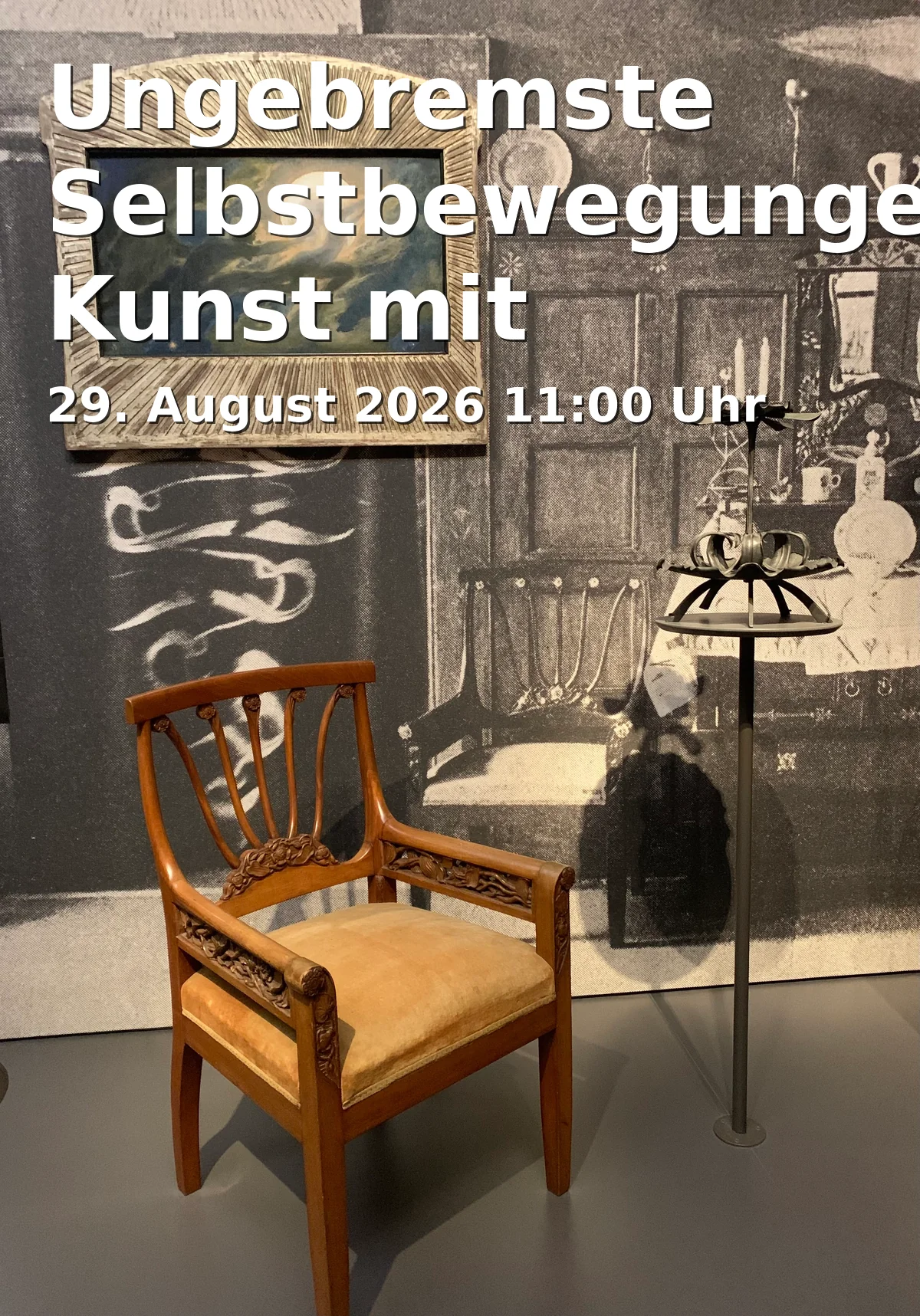
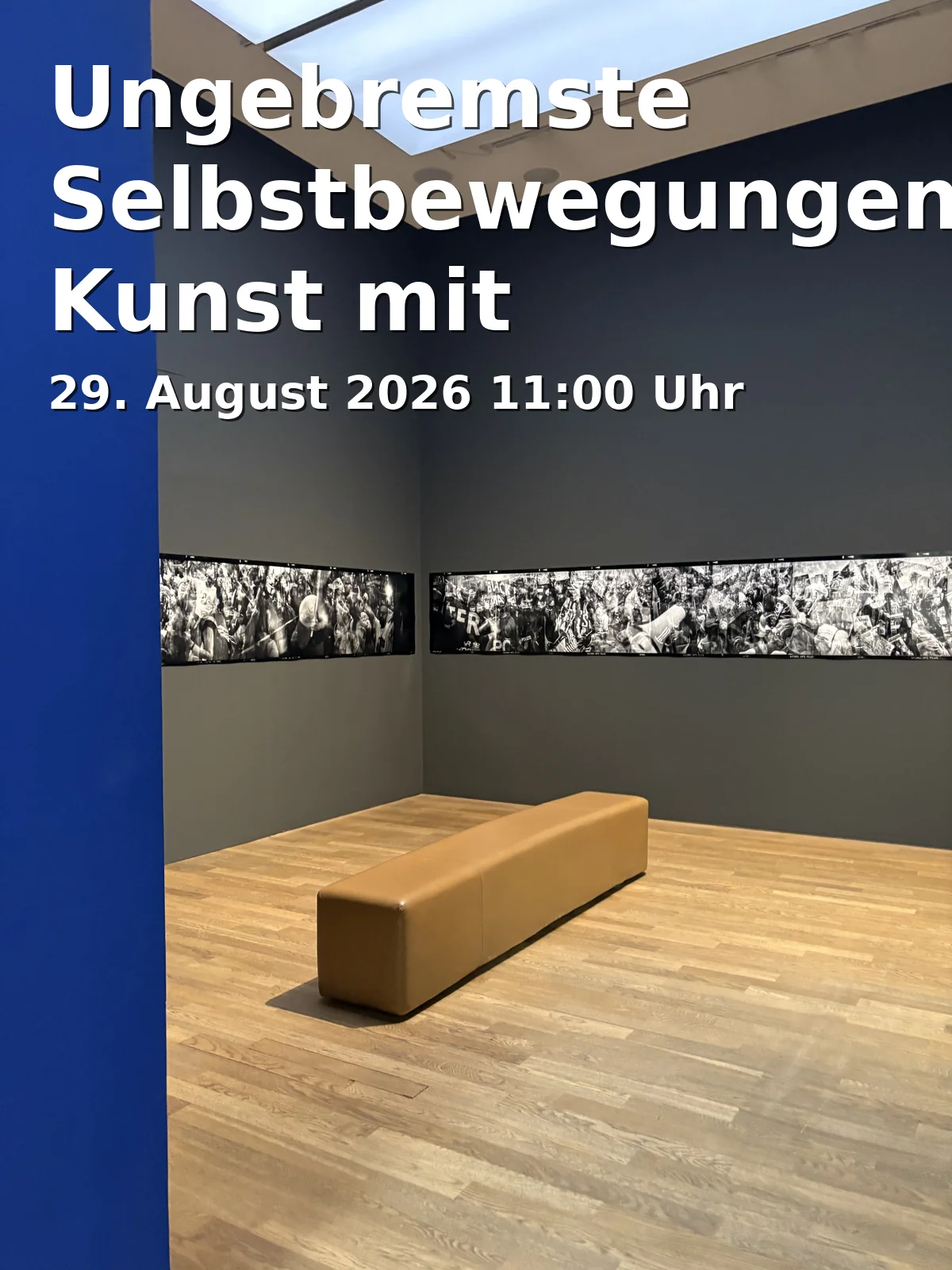
The Brandenburg State Museum of Modern Art presents an exhibition on experimental art with photography in the GDR at the Diesel Power Plant Cottbus. The focus is on artistic positions from the 1980s that did not understand photography as a neutral documentation but as material for self-assertion, self-expansion, and artistic boundary transgression.
A Different Photography of the GDR
In the tightly regulated society of the GDR, artists from various disciplines developed distinctive forms of a different photography and a photography from below. Their works detached themselves from journalistic-documentary understandings of images and reflected the conditions of the medium itself. Photography was staged, alienated, arranged in series, and connected with actions, performance, body art, and installation.
Between Body, Action, and Image Space
The exhibited works open image spaces full of friction, ambiguity, and poetic shift. Not only the depicted motif counts, but also the idea behind the image, the process of its creation, and the question of how reality can be altered through artistic interventions. Serial sequences of images, interventions, and performative gestures expand photography into an open space of action.
Artistic Positions of an Underappreciated Avant-Garde
Included are works by Claus Bach, Tina Bara, Micha Brendel, Kurt Buchwald, Klaus Elle, Irene Fischer, Thomas Florschuetz, Else Gabriel, Rainer Görß, Klaus Hähner-Springmühl, Wolf Kahlen, Matthias Leupold, Olaf Martens, Cornelia Schleime, Erasmus Schröter, and Gabriele Stötzer among others. Their different positions make a little-noticed, non-state-affiliated art of the late GDR visible, which often found dissemination in privately produced photo portfolios and semi-legal magazines.
Art Historical Classification and Curatorial Perspective
The exhibition concept was developed by external curator Christoph Tannert. The presentation connects holdings from the photographic collection of the Brandenburg State Museum of Modern Art with loans. This creates a precise view of an art movement that eluded established categories and understood photography as an idea, action, material, and aesthetic experience.
Aesthetic Experience in the Diesel Power Plant
The industrial architecture of the former Diesel Power Plant forms a concentrated resonance space for the photographic works. Light, materiality, image sequence, and spatial effect enter into a quiet dialogue. In viewing the works, documentary semblance, conscious alienation, and performative energy meet.
The atmosphere of the exhibition invites closer examination: of bodily postures, image rhythms, serial structures, and the traces of artistic action. This creates an art experience that makes historical constriction as tangible as the desire for liberation and self-determination.
Conclusion: Seeing GDR Art Anew
Unbraked Self-Movements opens a differentiated access to a distinctive art history of the late GDR. The exhibition connects photo art, performance, installation, and political image culture to an intense aesthetic experience. Anyone wanting to understand how photography became a space for self-assertion and boundary transgression should definitely visit this exhibition at the Diesel Power Plant Cottbus live.
Official Channels of Brandenburg State Museum of Modern Art:
- Instagram: no official profile found
- Facebook: no official profile found
- YouTube: no official profile found
- Website: no official profile found