Education through Work at the Human Rights Center Cottbus: Understanding GDR Injustice
Date and Time
Location
Price
About this Event
Mood
Venue Type
Education through Work: A repressed chapter of GDR history becomes visible
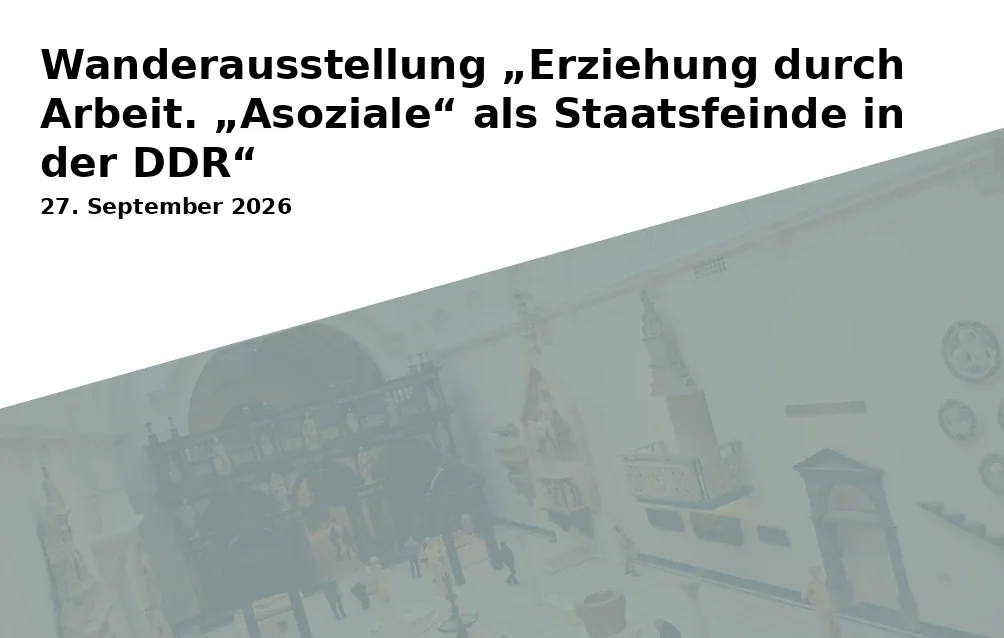
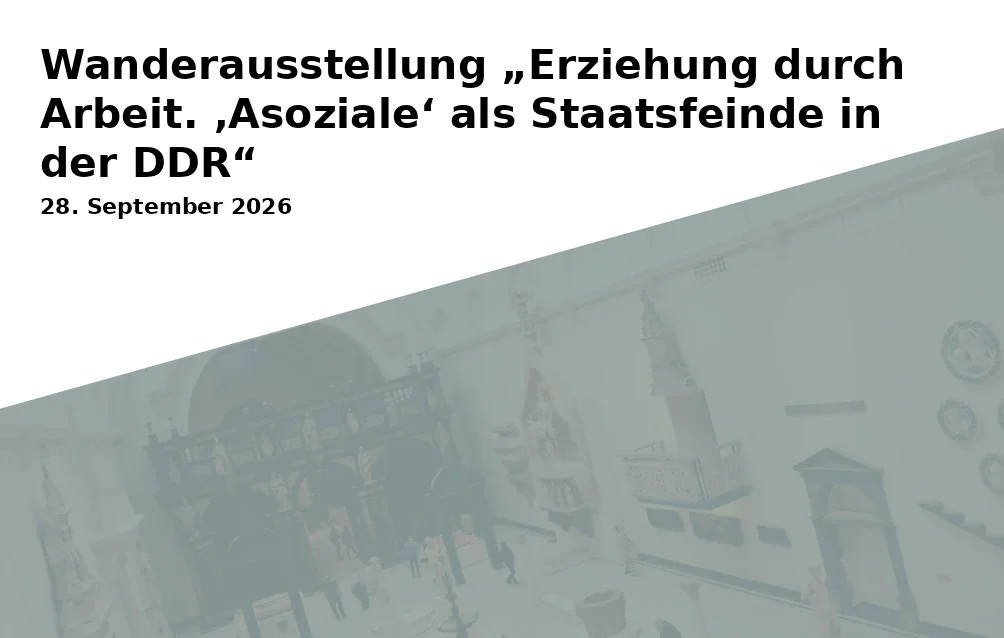
The traveling exhibition Education through Work. Asocials as Enemies of the State in the GDR highlights a long-marginalized chapter of German contemporary history at the Human Rights Center Cottbus. In the historical context of the former memorial site of the Cottbus prison, visitors encounter the mechanisms of state exclusion, discipline, and criminalization.
Fourteen life paths between stigmatization and imprisonment
At the center are fourteen women and men who could be prosecuted as so-called asocials under Paragraph 249 of the GDR Penal Code. The documented life paths range from punks and prostitutes to applicants for emigration, opposition members, and people accused of alleged refusal to work. The exhibition makes visible how a state label could shape and destroy entire biographies.
The so-called asocial paragraph
The presentation historically contextualizes the politically and ideologically motivated criminalization. Paragraph 249 served the GDR judiciary as a tool against people who did not conform to the ideal image of the socialist person. According to the Federal Archives, there were around 146,000 convictions under this paragraph between 1969 and 1989, of which 125,600 involved imprisonment.
Historical documents and individual perspectives
Documents, biographical case studies, and multimedia elements connect political history with personal experience. The exhibition draws attention to the consequences of state attributions: the loss of freedom, social stigmatization, forced education, and the lasting burden on those affected. The exhibition atmosphere of the Human Rights Center enhances the viewing of the works and makes memory accessible as an immediate aesthetic and historical experience.
Cultural education and democratic responsibility
As an extracurricular learning location, the Human Rights Center Cottbus opens up space for political education, historical reflection, and engagement with human rights. The exhibition questions the limits of state control, societal norms, and the treatment of people labeled as deviant. In doing so, it holds significance for GDR research as well as for today's culture of remembrance.
Conclusion: Experience GDR injustice at an authentic place of memory
The exhibition combines documentary precision with human closeness and makes forgotten life stories visible. Art historical categories do not take precedence here; the compelling presentation works with forms of visual documentation, spatial impact, and historical testimony. Those interested in GDR history, political repression, human rights, and cultural education will experience a thought-provoking exhibition in Cottbus that invites critical examination of works and reflection on democratic responsibility.
Official channels of the Human Rights Center Cottbus e. V.:
- Instagram: no official profile found
- Facebook: no official profile found
- YouTube: no official profile found
- Website: https://www.menschenrechtszentrum-cottbus.de/