Education Through Work at the Cottbus Human Rights Center: GDR Fates Made Visible
Date and Time
Location
Price
About this Event
Mood
Venue Type
When a label decided a life
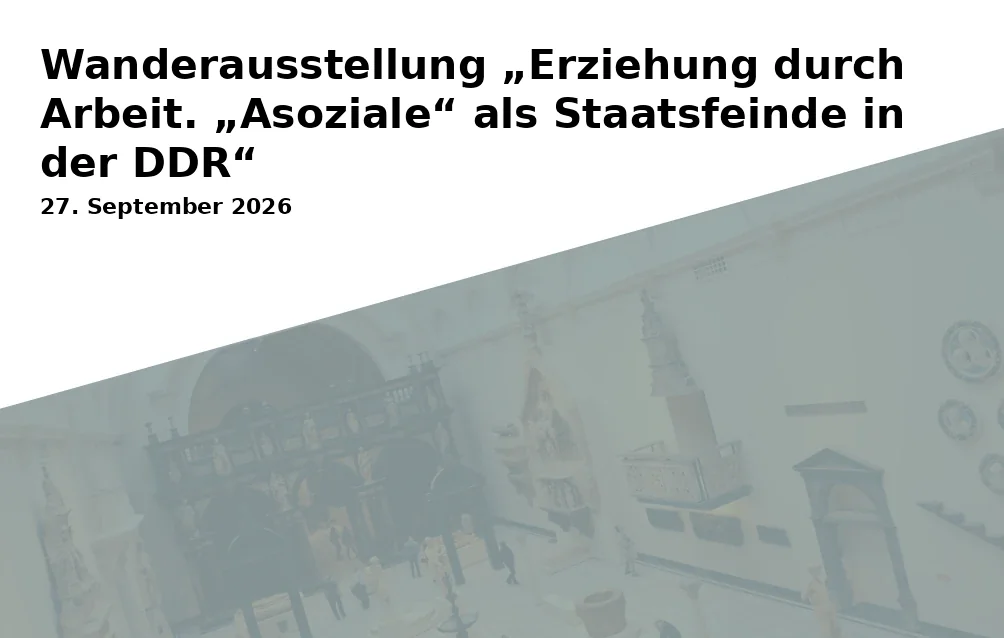
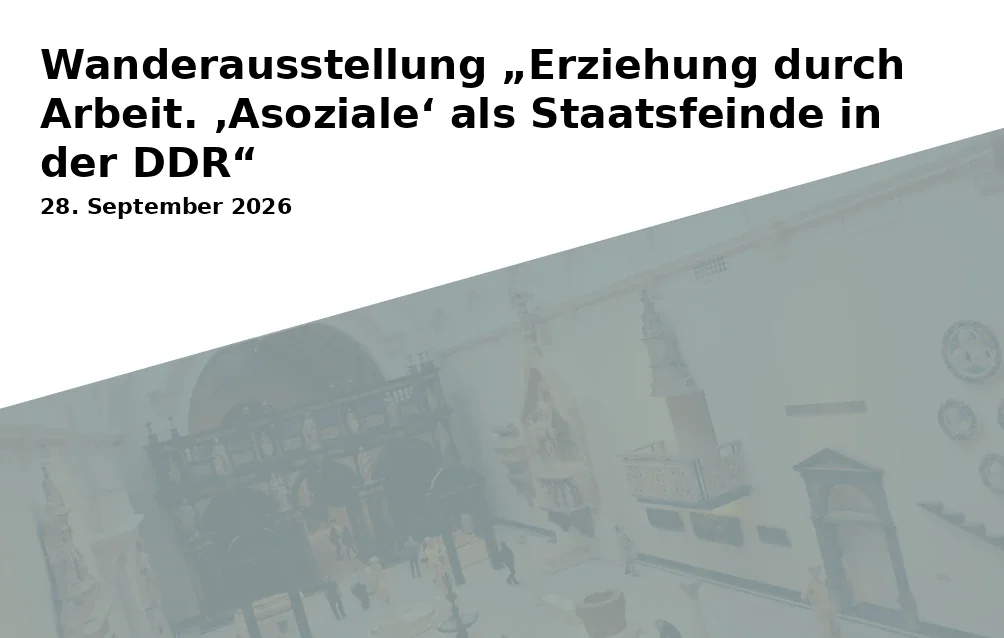
The traveling exhibition "Education Through Work. 'Asocial' as Enemies of the State in the GDR" sheds light on a long-suppressed chapter of GDR history at the Cottbus Human Rights Center. It focuses on people who were stigmatized, disciplined, and criminalized as "asocial" under paragraph 249 of the GDR Criminal Code.
Fourteen biographies against forgetting
Fourteen selected life stories demonstrate how far the state definition of "asocial behavior" extended. Perceived unwillingness to work, an unconventional lifestyle, being punk, prostitution, an application for emigration, or a political attitude could lead to persecution. Photographs, documents, films, as well as interviews with witnesses and experts give the affected individuals back their personal stories.
Paragraph 249 and the logic of exclusion
The exhibition contextualizes the so-called asocial paragraph within the political and ideological framework of the GDR. It showcases pathways to homes, youth labor camps, and imprisonment, illuminates detention conditions, and traces the consequences of stigmatization even into life after release. At the same time, the historical analysis leads to precursors in the Empire, during National Socialism, and in early GDR, as well as to comparable notions in Czechoslovakia and the Soviet Union.
Exhibition atmosphere and historical reflection
The presentation combines documentary visual sources with biographical narrative and cinematic voices. In a concentrated exhibition atmosphere, an intense art experience of political memory culture emerges: materials, faces, and archived testimonies demand careful reflection and open up an aesthetic experience aimed not at decorative effect, but at insight and empathy.
Cultural education and social responsibility
Developed by exhibeo e.V., the exhibition is seen as a contribution to historical and political education. Its curation makes visible how language, authorities, media, and justice were involved in the construction of societal enemy images. Thus, the exhibition connects art and cultural history mediation with the question of how exclusion operates and what responsibility a democratic society holds today.
At the Cottbus Human Rights Center, visitors can expect a fact-based, emotionally powerful exhibition on GDR injustices, political repression, and the long-term effects of state stigmatization. For those who want to understand history not just through numbers but through concrete life paths, this is an important aesthetic and social engagement. A visit enriches cultural education and sharpens the view for the dignity of every individual.
Official channels of Cottbus Human Rights Center:
- Instagram: no official profile found
- Facebook: no official profile found
- YouTube: no official profile found
- Website: https://www.menschenrechtszentrum-cottbus.de/ausstellungen/sonderausstellungen/