Education through Work in Cottbus: GDR Injustice and Forgotten Life Paths Made Visible
Date and Time
Location
Price
About this Event
Mood
Venue Type
When a State Label Decided a Life
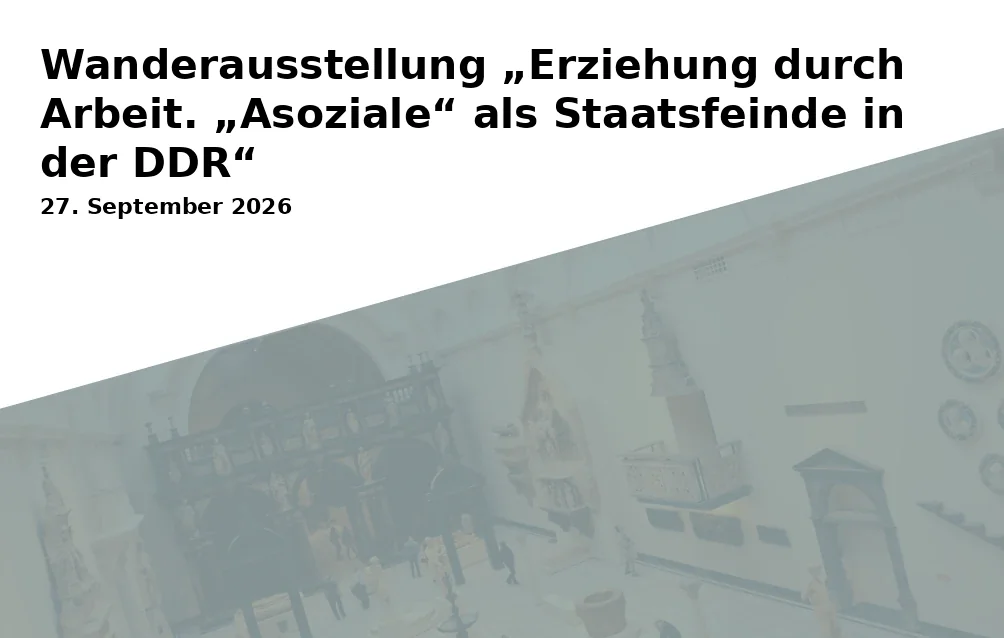
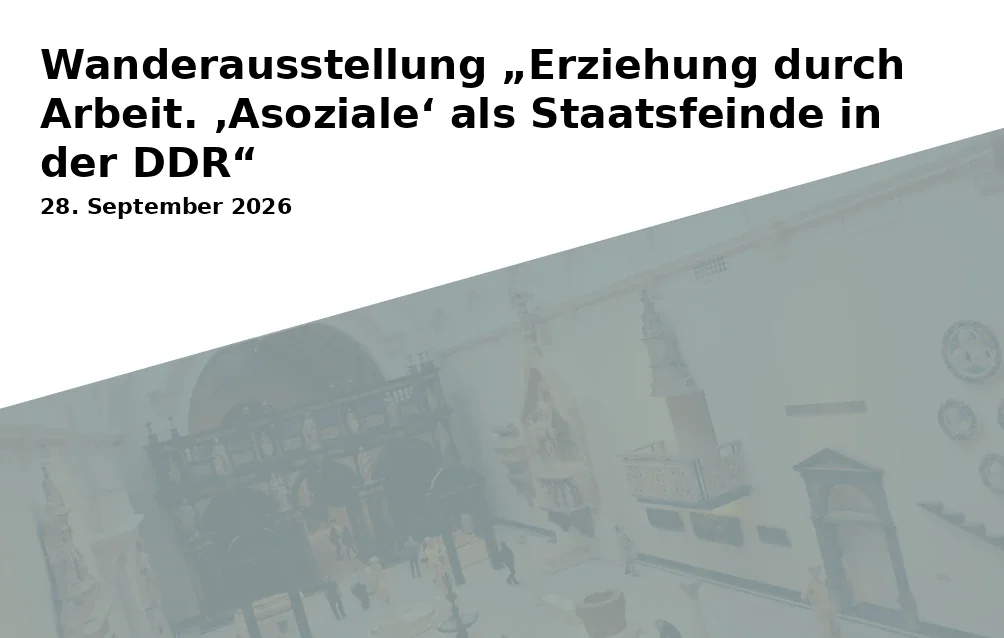
The traveling exhibition "Education through Work: 'Asocial' as Enemies of the State in the GDR" brings to light a long-suppressed chapter of GDR history at the Cottbus Prison Memorial. At its center is the systematic exclusion, discipline, and criminalization of people who did not conform to the state's ideal image of the socialist individual.
Fourteen Life Paths between Stigmatization and Imprisonment
Based on fourteen portraits, the exhibition shows how the so-called 'asocial paragraph' 249 of the GDR Criminal Code intervened in individual life paths. Perceived laziness, an unconventional lifestyle, prostitution, political deviation, or job loss could lead to state stigmatization. A derogatory attribution became an instrument of social control and criminal prosecution.
Photographs, Documents, and Film Testimonies
The curation connects historical photographs and documents with film testimonies and expert interviews, along with supplementary film material. Written documents become traces of personal fates, images testify to state power, and the voices of those affected create a counter-archive of GDR history. The exhibition atmosphere remains factual and compelling, opening up an intense engagement with political memory.
Historical Context and Cultural Education
The exhibition places Paragraph 249 in broader historical contexts. It addresses its predecessors in the German Empire, in National Socialism, and in early GDR as well as ideological links to Czechoslovakia and the Soviet Union. Thus, the presentation connects historical research, political education, and an aesthetic experience, where materiality, visual language, and filmic evidence make the mechanisms of exclusion tangible.
A Place of Remembrance with Special Impact
The Cottbus Prison Memorial gives the exhibition additional spatial and historical depth. Amidst the traces of the former detention site, a unique art experience emerges: not a painting or sculpture show, but a documentary installation of images, texts, films, and biographies. The presentation invites critical questioning of language, state norms, and the handling of social deviation.
The exhibition awaits its visitors with a precise, moving, and educational engagement with GDR injustice, human dignity, and memory culture. Those who want to understand historical contexts and get close to individual life stories will experience a compelling aesthetic experience and cultural enrichment here. A visit to Cottbus is worthwhile to uncover this important chapter of German contemporary history live.
Official Channels of the Human Rights Center Cottbus e.V.:
- Instagram: no official profile found
- Facebook: no official profile found
- YouTube: no official profile found
- Website: https://www.menschenrechtszentrum-cottbus.de/ausstellungen/sonderausstellungen/