Education Through Work in Cottbus: Making GDR Injustice and Forgotten Life Paths Visible
Date and Time
Location
Price
About this Event
Mood
Venue Type
When a State Label Determined a Life
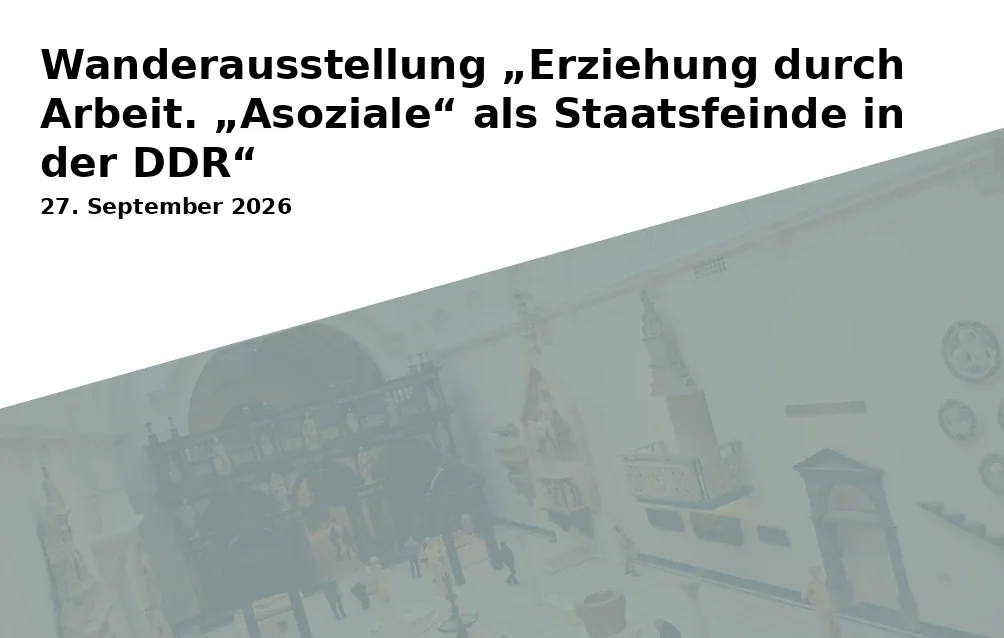
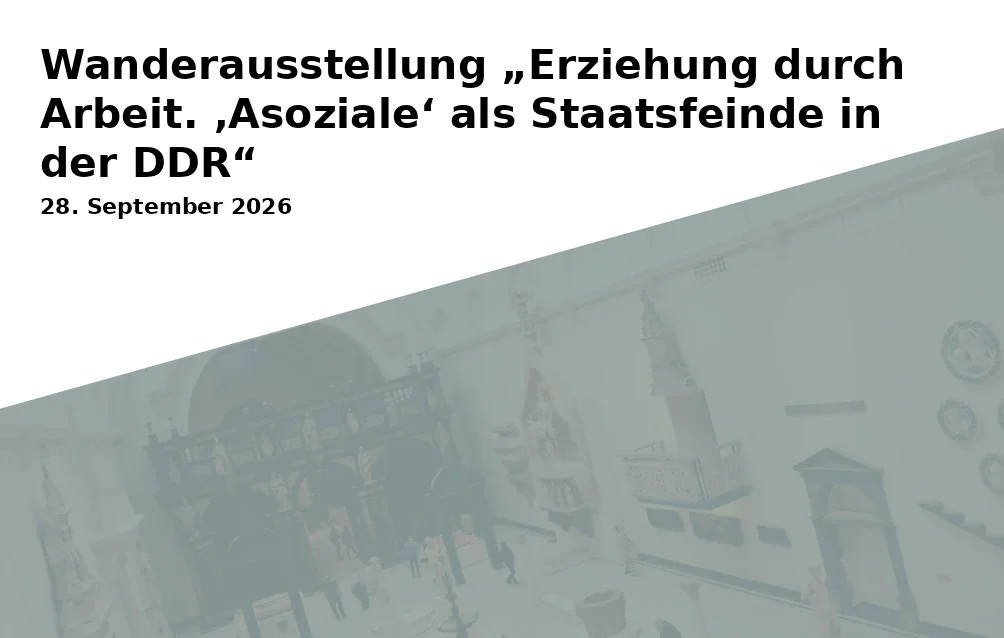
The traveling exhibition "Education Through Work: 'Asocial' as Enemies of the State in the GDR" makes a long-suppressed chapter of GDR history visible at the Cottbus Human Rights Center. In the historical memorial site of the Cottbus prison memorial, visitors encounter the life paths of individuals who were marginalized, disciplined, and criminalized due to an unconventional lifestyle, alleged laziness, or political deviation.
Fourteen Portraits Against Oblivion
At the center of the exhibition are fourteen portraits of women and men whose biographies were shaped by the so-called asocial paragraph 249 of the GDR Penal Code. The presentation shows how a derogatory term could become an instrument of state control. Media, authorities, and the judiciary shaped the image of so-called asocial elements, declaring people who did not conform to the ideal of the socialist individual as threats to social order.
Photographs, Documents, and Film Testimonies
Historical photographs, written documents, film testimonies and expert interviews, along with accompanying film material, combine to create an intense exhibition. The examination of the works focuses less on decorative effect and more on the traces of power, stigmatization, and personal vulnerability. Documents become testimonies of state normalization, while the voices of those affected create an important counter-archive of GDR history.
Historical Context and Political Education
The curation places paragraph 249 within a larger historical context. Its predecessors in the German Empire, in National Socialism, and in early GDR as well as ideological models in Czechoslovakia and the Soviet Union are addressed. The exhibition also highlights 'asocial' individuals in propaganda and media, paths to imprisonment, conditions of detention, and life after sentencing.
A Memorial Site with Special Spatial Impact
The Cottbus prison memorial lends a special exhibition atmosphere to the display. In the rooms of the former prison, the aesthetic experience of photographs, documents, and film sequences is supported by the historical architecture. Thus, an art experience in the broader sense emerges: a concentrated examination of works that combines cultural education with empathy and critical reflection.
Conclusion: Making History Visible
"Education Through Work" invites art and history enthusiasts to a factually precise, emotionally penetrating exhibition about GDR injustice, human dignity, and state exclusion. A visit to Cottbus opens an immediate access to individual life stories and encourages reflection on language, societal norms, and the responsibility of remembrance. This exhibition deserves a personal encounter on-site.
Official Channels of the Cottbus Human Rights Center e.V.:
- Instagram: No official profile found
- Facebook: No official profile found
- YouTube: No official profile found
- Website: https://www.menschenrechtszentrum-cottbus.de