
Ute (Volk)
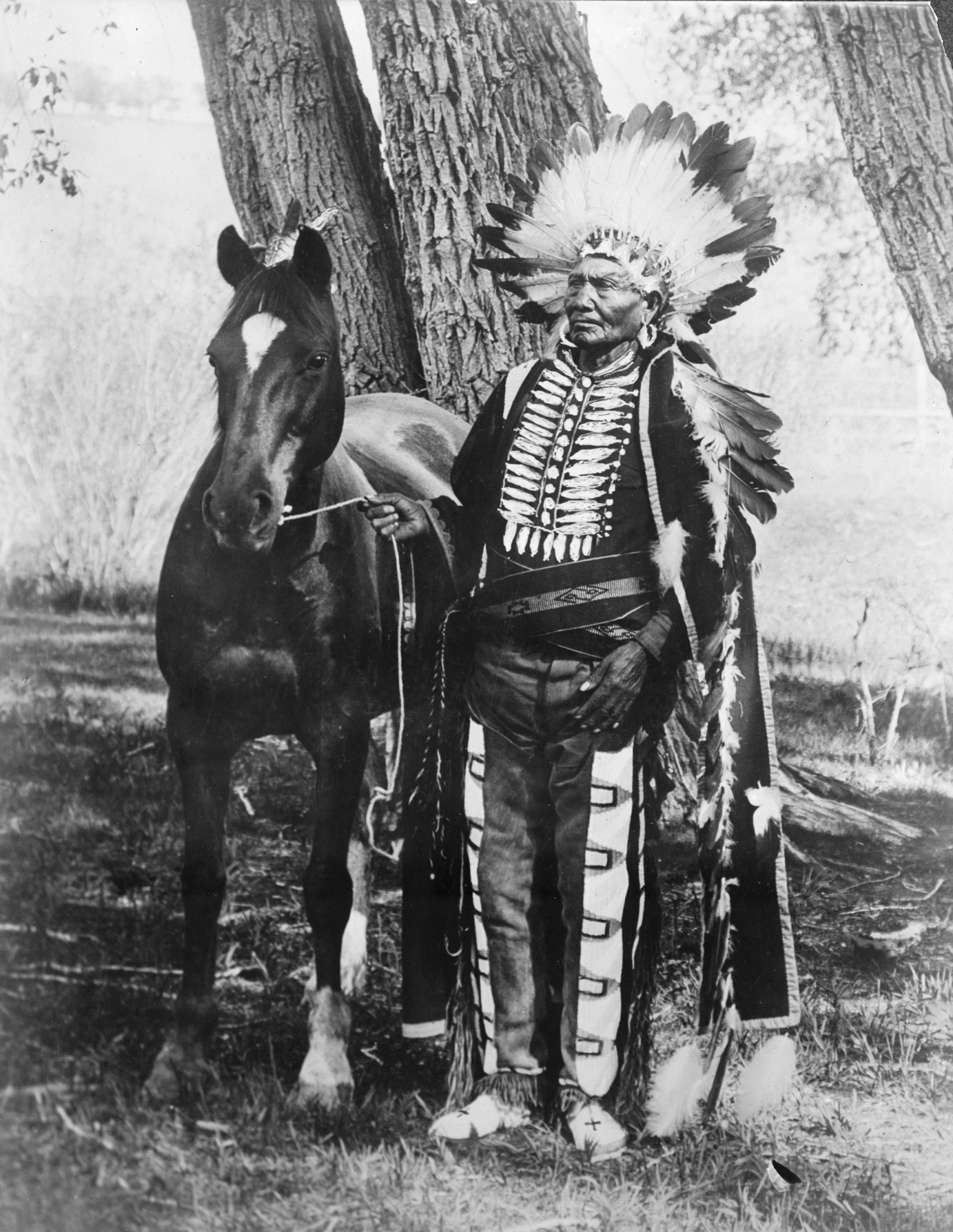
Image from Wikipedia
Image from Wikipedia
Ute: The Indigenous People of the Great Basin Between Mountains, Memory, and Cultural Continuity
A People that Carries Landscape, Language, and History within It
The Ute are part of the indigenous peoples of the Great Basin and the Colorado Plateau and have been shaping the history of the American West for centuries. Their settlement area has been and remains closely linked to the high mountains, valleys, and seasonal migration routes between Utah, Colorado, and New Mexico. Today, most Ute live on four reservations: the Uintah and Ouray Indian Reservation, the Southern Ute Indian Reservation, the Ute Mountain Reservation, and the reservation of the Paiute Indian Tribe of Utah. ([utetribe.com](https://utetribe.com/?utm_source=openai))
The Ute are not a static chapter of the past but a vibrant community with institutional presence, cultural programs, and a strong connection to land, language, and memory. The official representation of the Ute Indian Tribe refers to origin myths, tribal identity, economic activities, and cultural events, while historical sources describe the Ute as significant actors in the regional history of the West. ([utetribe.com](https://utetribe.com/?utm_source=openai))
Origin, Identity, and Regional Anchoring
The Ute Indian Tribe describes the origin of the Ute in its own tradition, symbolically recounting the creation of people, the order of the world, and the connection to the mountains. Such narratives are not merely folklore but part of cultural self-affirmation and tribal identity. The tribal page also emphasizes the designation "Land of the Sun" and refers to a membership of several thousand people as well as extensive land and economic structures. ([utetribe.com](https://utetribe.com/?utm_source=openai))
Historically, the Ute in the Great Basin and neighboring regions were classified as a Numic-speaking people, whose groups adapted to different ecological zones. The geographical range of their history spans from alpine mountain regions to semi-arid valleys, making mobility, seasonal hunting, and gathering central elements of their way of life. The regional differences among the Ute groups shaped culture, settlement patterns, and daily organization. ([en.wikipedia.org](https://en.wikipedia.org/wiki/Ute_people?utm_source=openai))
Historical Change: Mobility, Trade, and Colonial Pressure
The history of the Ute is closely intertwined with the upheavals of the colonial era. National park and scholarly sources show that Ute groups were involved in regional trade and conflict relationships in the 18th century and played an important role on the routes of the Old Spanish Trail. These interconnections point to a society that was not isolated but actively engaged in the dynamics of the colonial West. ([nps.gov](https://www.nps.gov/articles/000/ute-raiding-along-the-old-spanish-trail.htm?utm_source=openai))
With the expansion of the United States, land loss, displacement, and political restrictions intensified. The present reservation landscape is the result of these deep historical shifts and simultaneously marks the persistence of the tribe as a political and cultural actor. The official website of the Ute Indian Tribe emphasizes this continuity by presenting governance, conservation, public relations, and social programs as part of a modern tribal structure. ([utetribe.com](https://utetribe.com/?utm_source=openai))
Lifestyle, Economy, and Cultural Practice
Traditionally, the Ute were hunters and gatherers with a profound knowledge of the seasons, animal migrations, and the plant world. Sources describe hunting for bison, antelope, deer, elk, and small game, as well as gathering roots, berries, seeds, and pine nuts. This way of life required precise ecological orientation and a flexible social organization focused on family groups and seasonal camps. ([en.wikipedia.org](https://en.wikipedia.org/wiki/Ute_people?utm_source=openai))
The material culture also shows adaptability: Clothing made from leather and fur, structures made from willows and brush, as well as portable campsite forms were part of everyday life depending on the region. The Ute incorporated and developed influences from neighboring indigenous cultures while maintaining their own identity. It is precisely this blend of continuity and exchange that makes Ute culture historically rich and complex. ([en.wikipedia.org](https://en.wikipedia.org/wiki/Ute_people?utm_source=openai))
Spiritual Order and Community Rituals
The cultural presence of the Ute is particularly evident in ritual forms and seasonal events. The tribe's website describes Bear Dances, powwow cycles, and sundances as lived traditions that structure the year and bring the community together. These rituals connect spiritual practice, social memory, and public visibility. ([utetribe.com](https://utetribe.com/public-relations/?utm_source=openai))
The Bear Dance also possesses a strong symbolic power. It signifies the transition from winter to spring and represents the reinitiation of the social and ecological cycle. Such ceremonies are more than cultural representation; they secure collective knowledge, anchor language, and strengthen the transmission to younger generations. ([utetribe.com](https://utetribe.com/public-relations/?utm_source=openai))
The Today's Reservations as Cultural and Political Centers
The three major Ute reservations and the reservation of the Paiute Indian Tribe of Utah currently form the geographical core of tribal life. The Uintah and Ouray Reservation is described on the tribal page as a vast area in northeastern Utah that consolidates not only governance but also economic and cultural functions. The Southern Ute Indian Reservation and the Ute Mountain Reservation complement this network as additional central places of indigenous sovereignty. ([utetribe.com](https://utetribe.com/public-relations/?utm_source=openai))
The official tribal communication also refers to economic diversification through businesses, resource conservation, and social services. These include, among other things, conservation, fish and wildlife management, youth and family programs, as well as health and educational programs. Thus, the present of the Ute does not appear as a footnote but as an active institutional landscape with its own cultural logic. ([utetribe.com](https://utetribe.com/?utm_source=openai))
Public Presence, Education, and Cultural Visibility
The Ute Indian Tribe uses its official communication channels to make history, events, and administrative information visible. Particularly, the Ute Bulletin documents the tribe's ongoing public relations work, while the website consolidates information on powwows, news, and community offerings. This creates a modern form of indigenous representation that is not reduced to museal memory. ([utetribe.com](https://utetribe.com/ute-bulletin/?utm_source=openai))
Education also plays a significant role. The tribe's Head Start program explicitly emphasizes the strengthening of Ute culture and the support of children and families, while other institutions provide culturally anchored health and social work. This connection of education, care, and identity is a central feature of contemporary tribal work. ([utetribe.com](https://utetribe.com/head-start/?utm_source=openai))
Cultural Influence and Historical Significance in the American West
The Ute are of high importance for the cultural memory of the West, as their history is closely linked to land use, boundary shifts, and the relationship between indigenous nations and the United States. In national park sources, Ute landscapes, trails, and historical use are visible as part of the larger history of the Colorado Plateau and the Rocky Mountains. This presence ranges from archaeological zones to vibrant tribal spaces. ([nps.gov](https://www.nps.gov/meve/learn/historyculture/people.htm?utm_source=openai))
The cultural impact of the Ute also lies in their persistence. Despite political upheaval, the connection to mountains, valleys, rituals, and communities has been maintained. This continuity endows Ute history with a unique authority: it tells not only of loss but also of resilience, self-assertion, and cultural renewal. ([utetribe.com](https://utetribe.com/?utm_source=openai))
Current Projects, Care for the Present, and Living Tradition
Current focuses of the Ute include cultural events, social services, environmental management, and public communication. The tribal page lists regular powwows, seasonal festivals, fish and wildlife management, environmental programs, and facilities for family and health work. This shows a community that does not separate tradition and present but consciously intertwines them. ([utetribe.com](https://utetribe.com/?utm_source=openai))
This continuity makes the Ute community particularly exciting for historians, culture enthusiasts, and all those interested in indigenous self-determination. Those who want to understand the Ute look at a history of adaptation and preservation, a strong regional anchoring, and a present where culture is not archived but lived. This is precisely where the lasting fascination of this people lies. ([utetribe.com](https://utetribe.com/?utm_source=openai))
Conclusion: Why the Ute are Fascinating
The Ute represent an indigenous history that stretches far beyond the borders of Utah and Colorado. Their cultural identity connects origin stories, ceremonial practices, landscape ties, and political sovereignty into an impressive whole. Anyone observing the Ute today sees a people that not only preserves its history but also continues to write it with great clarity in the present. ([utetribe.com](https://utetribe.com/?utm_source=openai))
This blend of historical depth, cultural presence, and lively self-organization makes the Ute particularly compelling. Those who have the opportunity to attend public tribal events, cultural programs, or regional exhibitions experience not just history but a lived present. The Ute invite us to perceive indigenous culture as an active, strong, and resilient reality. ([utetribe.com](https://utetribe.com/public-relations/?utm_source=openai))
Official Channels of the Ute (People):
- Instagram: no official profile found
- Facebook: no official profile found
- YouTube: no official profile found
- Spotify: no official profile found
- TikTok: no official profile found
Sources:
- Ute Indian Tribe – Official Website
- Ute Indian Tribe – Public Relations
- Ute Indian Tribe – About / Ute Origin
- Ute Indian Tribe – Fish & Wildlife Management
- Ute Indian Tribe – Head Start
- Ute Indian Tribe – Ute Bulletin
- National Park Service – Ute Raiding Along the Old Spanish Trail
- National Park Service – Mesa Verde: People
- Wikipedia – Ute (People)
- Wikipedia – Ute people