
Keimzeit
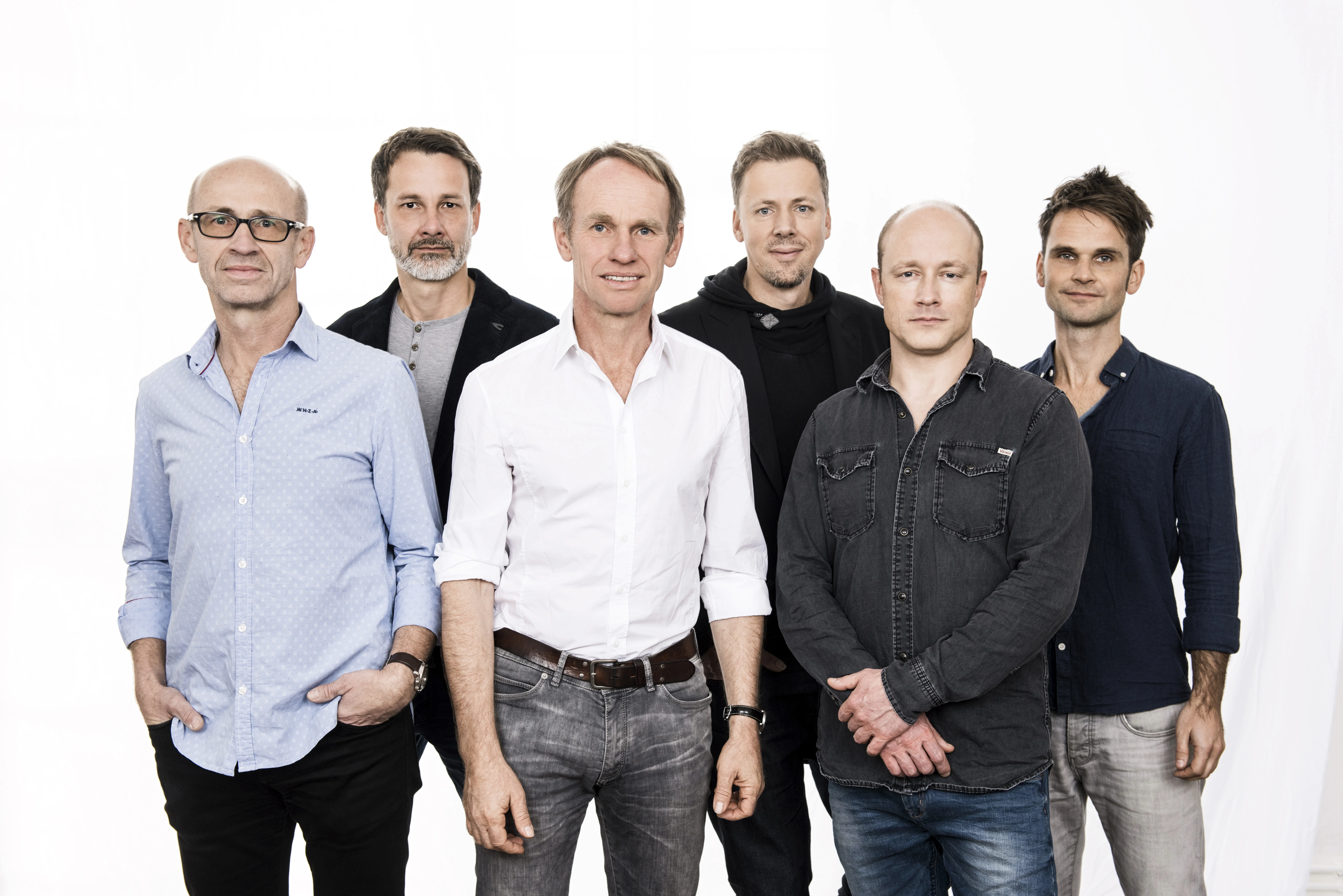
Image from Wikipedia
Image from Wikipedia
Keimzeit: The Poetic Rock Story of a Band Between GDR Roots, Cult Songs, and New Album Strength
A Band That Sings Stories and Connects Generations
Keimzeit is one of those German rock bands that is much more than a nostalgic name from the post-reunification era. The group was formed in 1980 in Lütte near Bad Belzig, initially under the name Jogger, before being renamed Keimzeit in 1982. Their journey has taken them from family music and village pubs to GDR radio broadcasts and a long-lasting stage career, writing new chapters to this day. The band's biggest hit, "Kling Klang," became a cultural marker in East Germany and made Keimzeit known beyond the rock scene. ([de.wikipedia.org](https://de.wikipedia.org/wiki/Keimzeit))
Biography: From Lütte into the German Rock Landscape
The early years of Keimzeit are closely connected to the Leisegang family. In the late 1970s, Norbert, Hartmut, Roland, and Marion Leisegang performed at family gatherings and in pubs before the formation organized itself as a band in 1980. Norbert Leisegang became the frontman, and his German lyrics significantly shaped the character of the group. In 1984, Ulrich "Ulle" Sende joined as the lead guitarist, later joined by other musicians to enrich their sound. ([de.wikipedia.org](https://de.wikipedia.org/wiki/Keimzeit))
Even during the GDR years, Keimzeit developed a unique stance. Their performances often took place away from the state-controlled music business, for instance, in village pubs with event halls. It wasn't until 1988 that the band got the opportunity for professional recordings at the GDR radio station, which were also broadcast by the youth radio DT64. That Keimzeit found a distinctive sound despite limited conditions explains much of their later impact: craftsmanship that is precise, poetic, down-to-earth, yet open to playfulness. ([de.wikipedia.org](https://de.wikipedia.org/wiki/Keimzeit))
The Breakthrough: “Irrenhaus” and the First Surge of Fame
With the fall of the Berlin Wall, a new space opened up for Keimzeit. In 1990, the band's first LP "Irrenhaus" was released by Hansa Berlin, and this album marked their entry into the media and their immediate breakthrough. The music press describes this phase as the moment when Keimzeit transitioned from a regionally known formation to a band of national significance. At the same time, their sound remained unmistakable: poetic, sometimes critical lyrics, and music that connects lightness with melancholy. ([verlag.buschfunk.com](https://verlag.buschfunk.com/kuenstler/keimzeit/))
The decisive surge in popularity came with "Kling Klang." The song was released in 1993 on "Bunte Scherben" and became the group's most famous track. Wikipedia documents not only the release and popularity of the title but also notes that the song gained traction in charts, dance clubs, and pop culture. The fact that a song with such a simple structure and catchy melody developed into a mainstream hit explains Keimzeit's special standing in the history of German rock. ([de.wikipedia.org](https://de.wikipedia.org/wiki/Kling_Klang))
Musical Development: Between Muesli Chanson Rock and Contemporary Rock Sound
Keimzeit has never allowed itself to be pigeonholed into a rigid genre. The band moves between rock, songwriter tradition, and occasional forays into ska and rhythmic colors. The second album "Kapitel Elf" continued the line of the debut, while "Bunte Scherben" incorporated stylistic experiments with South American rhythms. This openness is part of the band's artistic DNA and shows that Keimzeit is not merely a hit maker but a musically evolving formation. ([de.wikipedia.org](https://de.wikipedia.org/wiki/Keimzeit))
An important turning point came in the mid-1990s. According to Wikipedia, the band took a temporary break from the stage in 1996, and their later development led to a significant stylistic reorientation. The BuschFunk publishing house speaks of a phase in which Keimzeit temporarily reinvented itself musically, which caused some irritation among fans before the band repeatedly returned to its roots. This very tension between renewal and recognition keeps their discography vibrant. ([de.wikipedia.org](https://de.wikipedia.org/wiki/Keimzeit))
Discography: Albums, Live Moments, and New Works
The Keimzeit discography includes studio albums, live albums, and special collaborative projects. Key releases include "Irrenhaus" (1990), "Kapitel Elf" (1991), "Bunte Scherben" (1993), "Primeln & Elefanten" (1995), "Im elektromagnetischen Feld" (1998), "Smart und gelassen warten" (2000), "1000 Leute wie ich" (2002), "Privates Kino" (2004), "Mensch Meier – Live" (2006), "Stabile Währung Liebe" (2009), "Kolumbus" (2011), "Auf einem Esel ins All" (2015), "Das Schloss" (2019), "Kein Fiasko" (2022), and the acoustic quintet album "Schon gar nicht Proust" (2023). For 2026, the band announces their 14th studio album "Ach, die Menschen." ([de.wikipedia.org](https://de.wikipedia.org/wiki/Keimzeit))
The charts also reflect the band's lasting presence. "Bunte Scherben" reached number 84, "Primeln & Elefanten" number 63, "Im elektromagnetischen Feld" number 32, and "Smart und gelassen warten" number 42 on the German album charts. Thus, Keimzeit is not a band defined by a single big hit, but a formation with recurring relevance in album formats. Even later releases like "Auf einem Esel ins All" or "Das Schloss" demonstrate that the audience has remained loyal to the band for decades. ([de.wikipedia.org](https://de.wikipedia.org/wiki/Keimzeit))
“Kling Klang”: A Song as a Cultural Fixed Point
"Kling Klang" is more than just a well-known title. The song was written by Norbert Leisegang in the 1980s and released in 1993; the music history of this piece shows how a seemingly light Schlager-rock song can become a cultural touchstone. The title is simply constructed, catchy, and features a glockenspiel, while also carrying the typical Keimzeit mix of naivety, melodic intuition, and latent yearning for elsewhere. ([de.wikipedia.org](https://de.wikipedia.org/wiki/Kling_Klang))
The reception of the song divided the audience and yet defined the band's identity. According to Wikipedia, devoted fans sometimes perceived the mainstream success as a betrayal, while the title attracted a new, younger audience. Norbert Leisegang describes this tension as the realization that one can never please everyone. This is exactly where Keimzeit's strength lies: The band operates between scene recognition and broad pop efficacy without losing their signature style. ([de.wikipedia.org](https://de.wikipedia.org/wiki/Kling_Klang))
Current Projects and Present: New Album, Tour, and Live Presence
Keimzeit is actively working towards 2026. On the official website, "Ach, die Menschen" is announced as a new album, set to be released on April 17, 2026, in CD, vinyl, and digital formats. At the same time, the band referred to a tour and new content related to studio sessions, songs, and live recordings. The dpa report in DIE ZEIT also confirmed the release and mentioned around 40 concerts for the year 2026. ([keimzeit.de](https://www.keimzeit.de/biografie))
The current phase presents Keimzeit as a vibrant live band with a clear and distinct identity. The official pages emphasize backstage insights, tour photos, and new songs, while the YouTube offerings aggregate new recordings, highlights, and studio material. This keeps the band not just interesting in retrospect, but asserts them as an active force in the German-speaking rock scene. ([keimzeit.de](https://www.keimzeit.de/kontakt))
Artistic Classification and Cultural Impact
Keimzeit represents a tone that has become rare in German-speaking rock: narrative, poetic, lightly quirky, and at the same time melodically immediately accessible. BuschFunk describes the band as joyfully melancholic, with critical lyrics and an unmistakable voice. This connection of everyday language, richness of imagery, and musical flexibility makes Keimzeit appealing to music lovers seeking more than mere choruses. ([verlag.buschfunk.com](https://verlag.buschfunk.com/kuenstler/keimzeit/))
Culturally, the band also remains important as they bridge the gap between GDR music culture, post-reunification experience, and modern rock aesthetics. In East Germany, "Kling Klang" became a cross-generational companion, embedded in dance clubs, parties, and collective memory. At the same time, Keimzeit has proven with acoustic formats, orchestral projects, and new albums that consistency and development need not be mutually exclusive. ([de.wikipedia.org](https://de.wikipedia.org/wiki/Kling_Klang))
Conclusion: Keimzeit is exciting because the band embodies a rare balance of history, attitude, and musical curiosity. From the family band in Lütte to the new album in 2026, a path full of independence, friction, and lasting songs stretches ahead. Anyone wishing to experience German rock music with character, lyrical depth, and stage presence should see Keimzeit live. ([keimzeit.de](https://www.keimzeit.de/biografie))
Official Channels of Keimzeit:
- Instagram: https://www.instagram.com/keimzeit/
- Facebook: https://www.facebook.com/Keimzeit/
- YouTube: https://www.youtube.com/channel/UCrETenSLeJ9gn7Iew8Q6tRQ
- Spotify: https://open.spotify.com/intl-de/artist/7ynsUZ8GP3m1rFDjvs2svD?si=rZ6y-qf8Qnm2gaxyWZ1shg
- TikTok: No official profile found
Sources:
Upcoming Events
KEIMZEIT live in Munich – Tour for the Album Oh, the People
Keimzeit 2026 – New Album live in Braunschweig
Keimzeit – The Tour for the New Album
Keimzeit 2026 - Live Concert at Glad-House
KEIMZEIT – The Tour for the New Album
KEIMZEIT - The Tour for the New Album
Keimzeit 2026 – Special Concert at Glad-House Cottbus
KEIMZEIT – Give the Avant-Garde the Light
KEIMZEIT – Give the Avantgarde the Light – Special Concert