Experience Between Capri and Rome in Branitz: Hugo Paul Harrer in the Art Context
Date and Time
Artist
Location
Price
About this Event
Mood
Venue Type
Between Capri and Rome: An Exhibition about Longing, City, and Italian Light
At the Fürst Pückler Museum Park & Schloss Branitz, the special exhibition Between Capri and Rome. Hugo Paul Harrer offers a view of a 19th-century painter whose life and work are closely connected to Rome, Italian coastal landscapes, and the German exhibition culture. The presentation highlights an artistic position that shines between travel desire, landscape representation, and historical memory.
A Painter between Study, Nature Observation, and Roman Experience
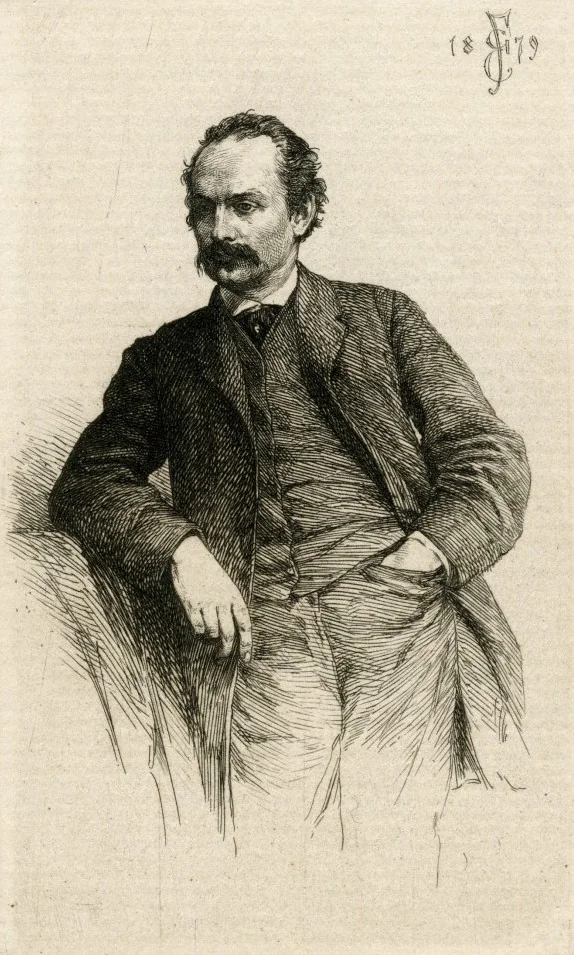
Hugo Paul Harrer was born in 1836 in Hirschberg in Silesia and turned to painting early on, without attending an art academy. Instead of academic disciplines, his path was shaped by self-study, precise nature observation, and exchange with artist friends. After a stay in Düsseldorf, he lived in Rome again, collected studies and sketches there, and regularly sent paintings to German art exhibitions. His works mainly depict picturesque street scenes, ruins, and landscapes of Italy. Thus, Harrer belongs to those artists who reflect the 19th century as an era of traveling, seeing, and collecting impressions.
Italy as a Motif for Romantic and Realistic Artistic Exploration
The exhibition draws attention to an art experience where Capri, Rome, and the southern light are not merely backdrops but carriers of atmosphere and memory. Especially in the interplay of architectural fragments, coastal views, and urban perspectives, a visual language unfolds that mediates between Romanticism and careful observation of reality. Harrer's work thus also represents an art-historically interesting intermediate position: it connects the travel motif with the sober accuracy of the artistic gaze.
Franziska Wickerath, Family History, and the Trace of the Works
A special charm of this preliminary report lies in the biographical dimension. Franziska Wickerath, who married Harrer in 1868, preserved many works of her first husband. Some later found their way into the Carl-Blechen collection of the city of Cottbus. Thus, the exhibition also becomes a story about provenance, familial transmission, and the journey of artworks through time and collection history. For visitors, this creates an aesthetic experience that transcends mere visual observation.
Branitz as a Suitable Place for Art, Landscape, and Cultural Education
The Fürst Pückler Museum Park & Schloss Branitz offers a special resonance space for this exhibition. The place itself stands for landscape art, historical spaces, and museal mediation. Here, a special exhibition about a painter who depicted Rome, coastal areas, and urban spaces unfolds a dense connection between art history and museum experience. The exhibition atmosphere promises a calm, concentrated encounter with images, biography, and art-historical context.
Conclusion
This special exhibition offers an informed, sensual, and historical access to Hugo Paul Harrer and his image of Italy. Anyone interested in 19th-century painting, travel images, collection issues, and art-historical discoveries will find a rewarding exhibition visit in Branitz. The exhibition promises an inspiring view of art, origins, and memory – a visit on-site is definitely worthwhile.
Official Channels of Fürst Pückler Museum Park & Schloss Branitz:
- Instagram: no official profile found
- Facebook: no official profile found
- YouTube: no official profile found
- Website: https://www.pueckler-museum.de/