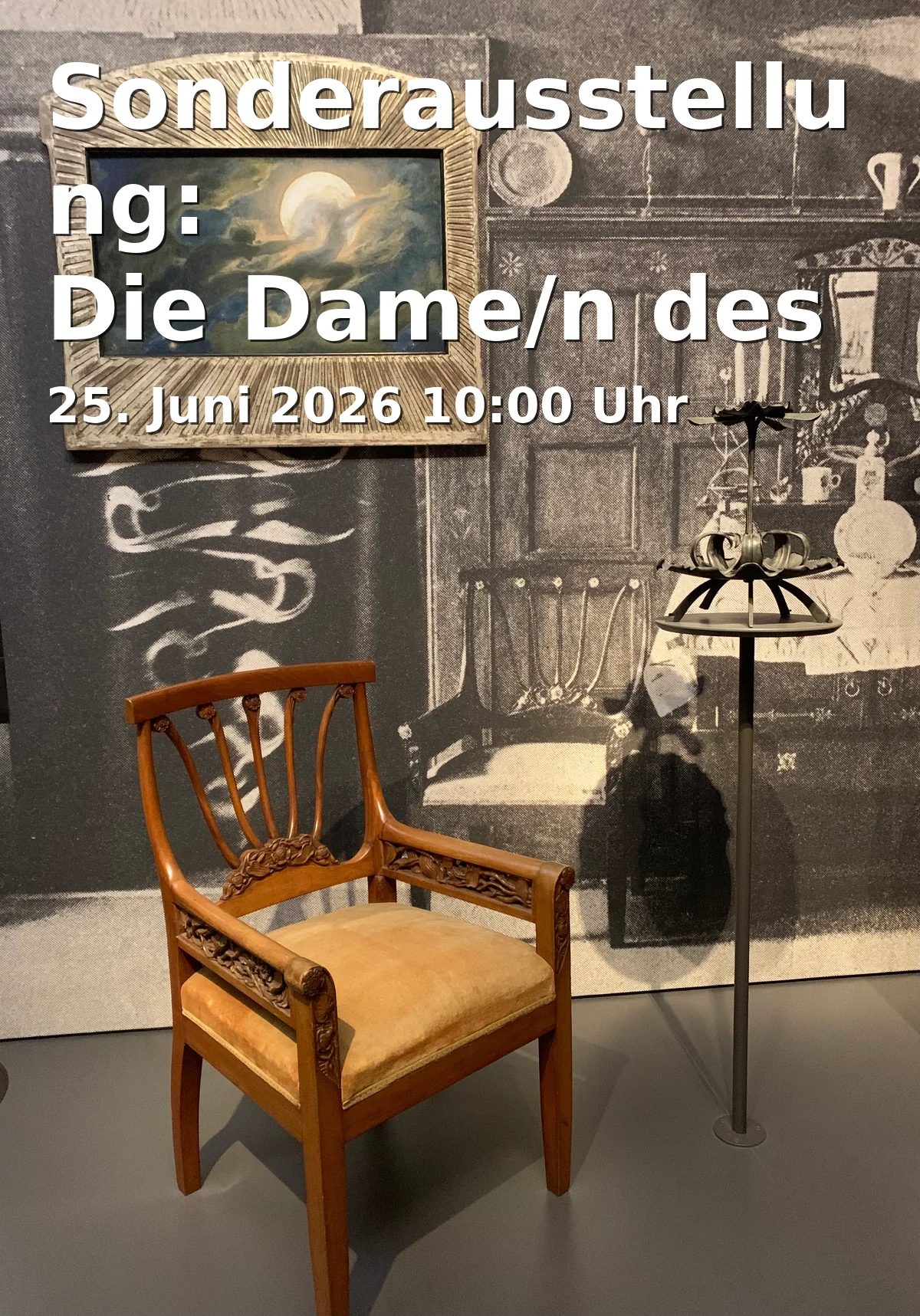
Between Capri and Rome at Branitz Castle: Hugo Paul Harrer in Cottbus
Date and Time
Artist
Location
Price
About this Event
Mood
Venue Type
Italian highlights at Branitz Castle: Rediscover Hugo Paul Harrer
At the Fürst Pückler Museum Park & Branitz Castle, the special exhibition Between Capri and Rome. Hugo Paul Harrer offers a focused look at a painter whose work narrates the story between Rome, the Amalfi Coast, and the collection history of Cottbus. The cabinet exhibition comprehensively showcases the preserved collection for the first time and makes visible how closely family history, art ownership, and municipal collection are intertwined.
A cabinet full of Mediterranean atmosphere
The presentation highlights drawings, paintings, and the portrait of Franziska Wickerath in an exhibition atmosphere characterized by Venetian lightness, Roman history, and southern color. Especially the freshly restored Vesuvius imparts a strong sensual presence to the study of the works: color, form, and motif condense into an aesthetic experience that directs the gaze to Italy.
Hugo Paul Harrer in the art historical context
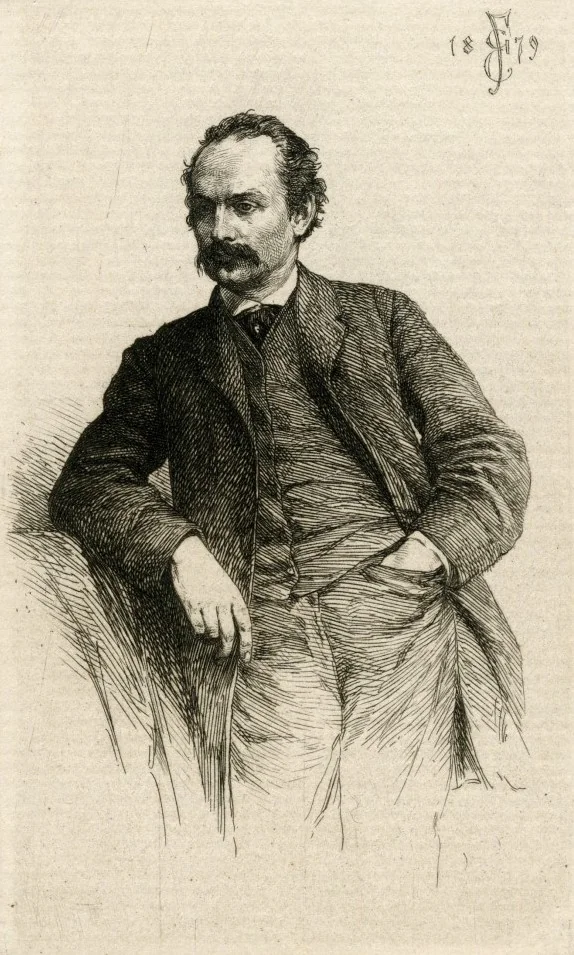
Hugo Paul Harrer, born in 1836 and died in Rome in 1876, belonged to the Düsseldorf School and worked as a landscape and architectural painter. He studied after initial self-taught attempts in Munich and Düsseldorf before Rome became a defining place in his artistic development. There he created studies, sketches, and oil paintings featuring Italian street scenes, ruins, and coastal landscapes, which he later presented at German art exhibitions. The exhibition in Branitz makes this phase of his work comprehensible in its cultural-historical context.
From Rome to Cottbus: a collection biography of significance
The focus is not only on the works but also on their transmission. Franziska Wickerath, who married Harrer, preserved and disseminated numerous works after his early death. Through her second marriage and her later life path in Cottbus, the works entered a context that leads to the Carl-Blechen collection of the city of Cottbus. Thus, the exhibition also shows how private memory, bourgeois representation, and museum curation interact.
Branitz Castle as a fitting exhibition venue
Branitz Castle itself is a place of historical density. In addition to the historical rooms, it houses the Carl-Blechen collection of the city of Cottbus; the landscape park with its architectural features extends the art experience into the open air. For visitors, this creates an interplay of painting, space, and garden art that adds additional depth to the exhibition.
Visit, education, and exhibition atmosphere
The cabinet exhibition is suitable for art-interested visitors who appreciate precise observation of works and cultural-historical classification. Through the clear focus on a little-known painter, it also offers an educational approach to 19th-century painting, Italian image motifs, and the history of collections in Brandenburg.
Conclusion: This special exhibition combines Italian light, art historical exploration, and an impressive collection biography. Those who wish to experience Hugo Paul Harrer in his Roman perspective and in the context of Branitz Castle should definitely visit the presentation live.
Official channels of Fürst Pückler Museum Park & Branitz Castle:
- Instagram: no official profile found
- Facebook: no official profile found
- YouTube: no official profile found
- Website: https://www.pueckler-museum.de/
Sources:
- City of Cottbus - Special Exhibition: Between Capri and Rome. Hugo Paul Harrer
- Museums Brandenburg - Foundation Fürst Pückler Museum Park and Branitz Castle
- Museum.de - Foundation Fürst Pückler Museum Park and Branitz Castle
- Pückler Museum - Branitz Park
- Travel Land Brandenburg - Special Exhibition Between Capri and Rome. Hugo Paul Harrer
- Wikipedia - Hugo Harrer