Denis Galloway at the Sorbian Museum: Experience Faces of an Era

Date and Time
Location
Price
About this Event
Mood
Venue Type
Faces of an Era: A Photographic Journey in Lusatia
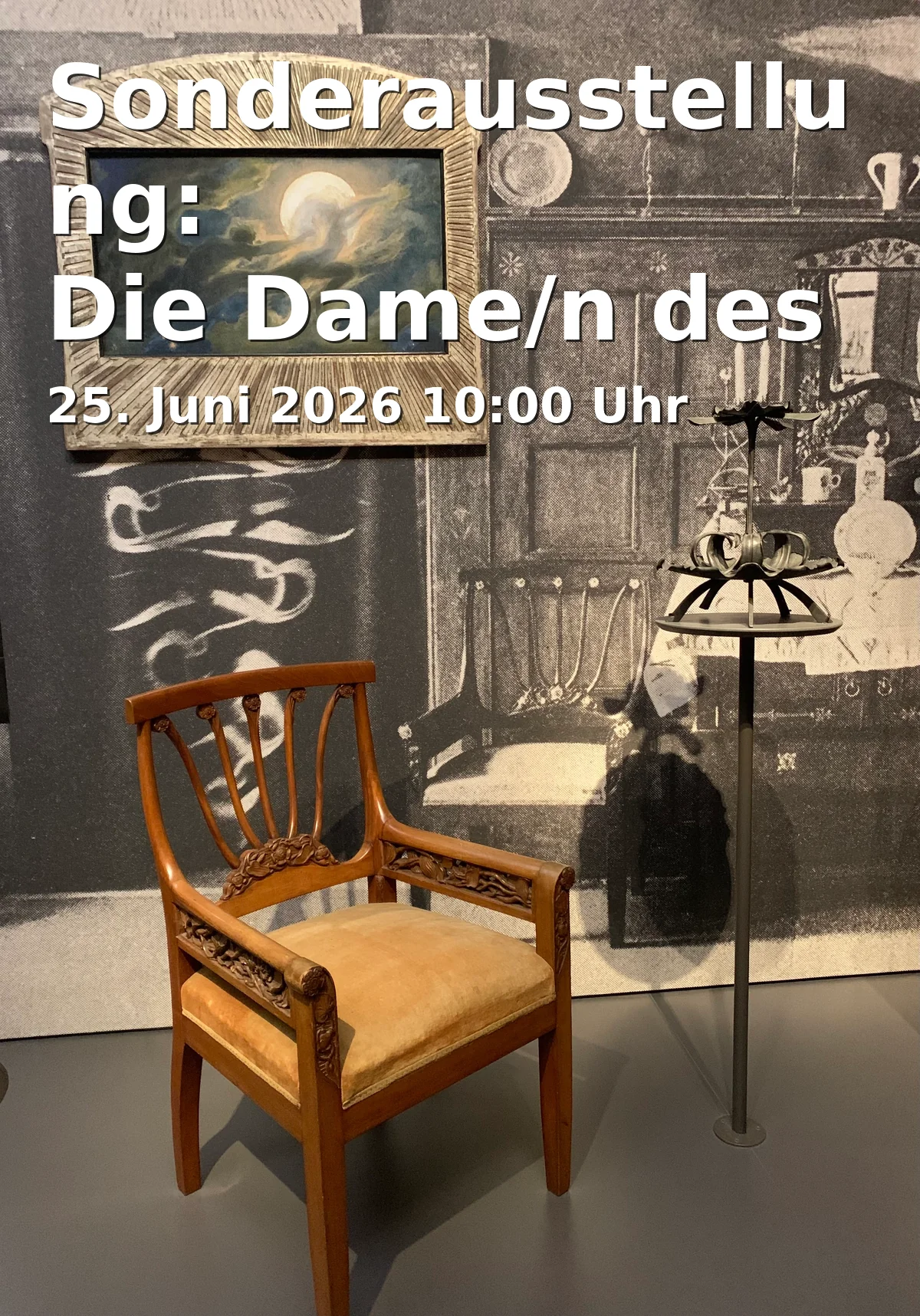
The Sorbian Museum Cottbus presents with Denis Galloway – Woblica from a Forgotten House / Faces of an Era for the first time a selection from around 200 glass negatives by the Scottish ethnographer, photographer, and artist Denis Galloway. The exhibition opens a penetrating view of the Sorbian-Wendish way of life in Lower Lusatia and Spreewald.
An Archive of Glass and Light
The photographs taken between 1908 and 1914 preserve faces, traditional costumes, work environments, and rituals with extraordinary precision. Field work, market scenes, children's and women's portraits, as well as weddings make visible a historical society whose cultural identity is rooted in language, clothing, customs, and communal life.
Historical Photography Between Ethnography and Art
Galloway's work moves between ethnographic documentation, visual cultural history, and independent photographic art. The glass negatives give the images a special materiality: fine shades of gray, clear contours, and expressive facial expressions condense into a visual memory of the region. In the contemplation of the works, the people appear not merely as study objects but as carriers of individual stories.
Traditional Costumes, Everyday Life, and Lived Identity
Particularly impressive are the diverse variants of traditional costumes, which today are rarely visible in comparable authenticity. Fabrics, gestures, body postures, and gazes offer an aesthetic experience in which personal memory and regional history connect. The atmosphere of the exhibition invites a slowed-down contemplation of each individual image.
The Sorbian Museum as a Place of Cultural Education
In the Sorbian Museum, the historical photographs enter into a dialogue with the culture and history of the Sorbs and Wends. The curatorial approach connects photography, ethnography, cultural memory, and museum educational mediation. The glass negatives were transferred to the Ethnographic Museum in Cluj-Napoca, later digitized, and made accessible via Europeana as part of European cultural heritage. In Cottbus, the Lower Lusatian images are seen in print form for the first time.
Conclusion: History Becomes Present in the Image
Visitors can expect a quiet, profound artistic experience between historical photography, regional identity, and cultural education. Those who wish to experience the Lusatia of the early 20th century through faces, gestures, traditional costumes, and work environments should definitely visit this exhibition live at the Sorbian Museum Cottbus.
Official Channels of Sorbian Museum Cottbus:
- Instagram: https://www.instagram.com/serbskimuzej/
- Facebook: no official profile found
- YouTube: no official profile found
- Website: https://wendisches-museum.de/