
Ute (Volk)
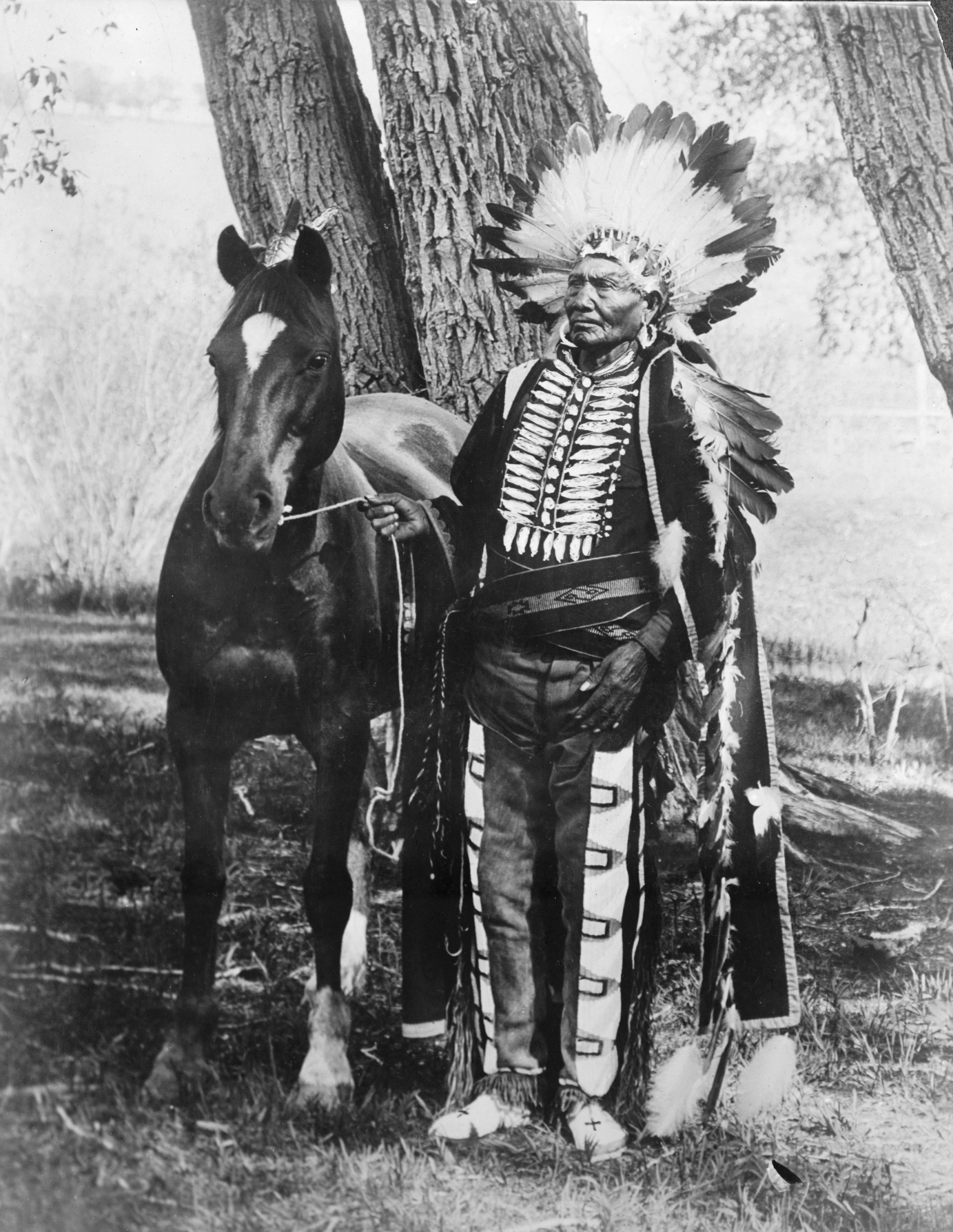
Image from Wikipedia
Image from Wikipedia
Ute (People): History, Present, and Cultural Identity of an Indigenous Tribe of the Great Basin
A People Between Mountains, Desert, and Memory
The Ute are among the indigenous peoples of the Great Basin cultural area in the United States and continue to shape the history of present-day Utah, Colorado, Nevada, and surrounding regions. Their habitat has always been marked by extreme contrasts: high, humid mountainous zones meet semi-arid, often desert-like valleys, which have influenced the lifestyle, mobility, and cultural development of the people for centuries. The name refers to the meaning "Land of the Sun," and the tribe emphasizes their close connection to land, history, and future in their self-representation. ([utetribe.com](https://utetribe.com/?utm_source=openai))
Today, the majority of the Ute live on four reservations: the Uintah and Ouray Indian Reservation in northeast Utah, the Southern Ute Indian Reservation in Colorado, the Ute Mountain Reservation extending into Utah and New Mexico, as well as parts of the reservation of the Paiute Indian Tribe of Utah. This geographical distribution illustrates how strongly the historical displacement of indigenous habitats continues to resonate today. At the same time, it reveals that the Ute have retained their community structures despite political and territorial disruptions. ([utetribe.com](https://utetribe.com/?utm_source=openai))
Origin, Tradition, and Cultural Self-Interpretation
The Ute tradition preserves a mythical origin story in which Sinauf appears as a figure between human and wolf, bringing forth people from a magical sack. In this narrative, language, family formation, and the emergence of bands and tribes are explained not only but also poetically interpreted as an order of the world. Such traditions are of great significance for cultural self-understanding because they symbolically anchor belonging, responsibility, and the relationship to the landscape. ([utetribe.com](https://utetribe.com/about/?utm_source=openai))
The narrative simultaneously refers to an essential characteristic of Ute history: identity is not formed as a rigid construct but as a connection of movement, adaptation, and collective memory. The fact that the tribe lived in a region with such diverse environmental conditions reinforced forms of local self-organization, resource knowledge, and the transmission of cultural practices over generations. Therefore, the Ute tribe describes its history as an evolving relationship between people, land, and future. ([utetribe.com](https://utetribe.com/?utm_source=openai))
Historical Development and Contemporary Tribal Structure
According to the tribe, the Ute originally come from Colorado, while their current life mainly focuses on reservations that have emerged from colonial territorial policies. The Ute Indian Tribe's website states that tribal membership includes 2,400 individuals; the Ute manage approximately 1.3 million acres of trust land. Thus, the historical development is not only a narrative of loss but also of institutional continuity and political self-governance. ([utetribe.com](https://utetribe.com/?utm_source=openai))
The tribal structure includes three bands within the Northern Ute Tribe: Whiteriver Band, Uncompahgre Band, and Uintah Band. This internal organization is crucial for understanding the present, as it connects political representation, cultural belonging, and regional anchoring. The Tribal Council or Business Committee is determined through regular elections, clearly demonstrating the modern self-governance of the Ute. ([utetribe.com](https://utetribe.com/public-relations/?utm_source=openai))
Reservations, Administration, and Economic Self-Determination
The current lives of many Ute are centered on the reservations and the facilities organized there. The Ute Indian Tribe operates not only administrative and social infrastructure but also economic units, including Ute Tribe Enterprise, energy and trade sectors, and other services. The tribe's website also highlights a veterans' memorial, resource protection, public offerings, and an annual powwow around the 4th of July that is open to visitors. ([utetribe.com](https://utetribe.com/?utm_source=openai))
This connection of cultural tradition and organizational modernity is a central component of contemporary Ute reality. Public services such as transit, Head Start, employment services, and health programs demonstrate that tribal autonomy is lived not only symbolically but practically. A crucial aspect of their present lies in the fact that cultural continuity is created through institutions that support everyday life, education, and community. ([utetribe.com](https://utetribe.com/transit/?utm_source=openai))
Cultural Memory, Media, and Community Life
A particularly important bearer of collective memory is the Ute Bulletin, the official tribal newspaper, which has been published since 1959. This publication not only documents news but also obituaries, local events, community work, and cultural activities; the online editions explicitly reference their presence on Facebook and Instagram. Thus, the medium serves as a bridge between tradition and digital present. ([utetribe.com](https://utetribe.com/wp-content/uploads/2026/03/BulletinMarch4.pdf?utm_source=openai))
The tribe's public communication also emphasizes continuity and visibility. Current bulletins, radio reports, and announcements are published on the official website, while tribal work in areas such as youth services, water rights, environmental issues, and social support is frequently highlighted. This demonstrates that cultural self-assertion does not exist in isolation from political and social practice but is composed of both. ([utetribe.com](https://utetribe.com/?utm_source=openai))
Tradition, Identity, and Cultural Influence
The cultural influence of the Ute lies less in a single historical moment than in the long duration of their presence in the Great Basin and on the Colorado Plateau. Their history exemplifies indigenous resilience in a region that has been deeply transformed by colonization, border delineations, and resource conflicts. The Ute are not only subjects of historical consideration but also active agents of their own present. ([utetribe.com](https://utetribe.com/about/?utm_source=openai))
This is particularly evident in the celebration of community festivals and public rituals. The annual powwow of the Ute Indian Tribe is more than a folkloric event; it is a social and cultural space where memory, music, dance, and family connections come together. Such events strengthen identity and visibility and underscore the role of the tribe as a vibrant political and cultural community. ([utetribe.com](https://utetribe.com/?utm_source=openai))
Present and Outlook
Today, the Ute represent the connection of indigenous self-determination, cultural continuity, and social responsibility. Their reservations, administrative structures, educational and health systems, and media work illustrate a people that not only preserves its history but actively translates it into the present. It is this blend of historical depth and organizational strength that makes the Ute one of the most distinctive indigenous communities in the western United States. ([utetribe.com](https://utetribe.com/?utm_source=openai))
The Ute history remains exciting because it understands culture not as a museum but as a living practice. Those who wish to learn about the Ute discover a people with deep spiritual traditions, clear political structures, and a strong presence amid tribal administration, community life, and public self-representation. A visit to official tribal events or a look at the tribe's current publications offers the most direct access to this vibrant history. ([utetribe.com](https://utetribe.com/?utm_source=openai))
Official Channels of Ute (People):
- Instagram: no official profile found
- Facebook: no official profile found
- YouTube: no official profile found
- Spotify: no official profile found
- TikTok: no official profile found