
Horst Schlämmer
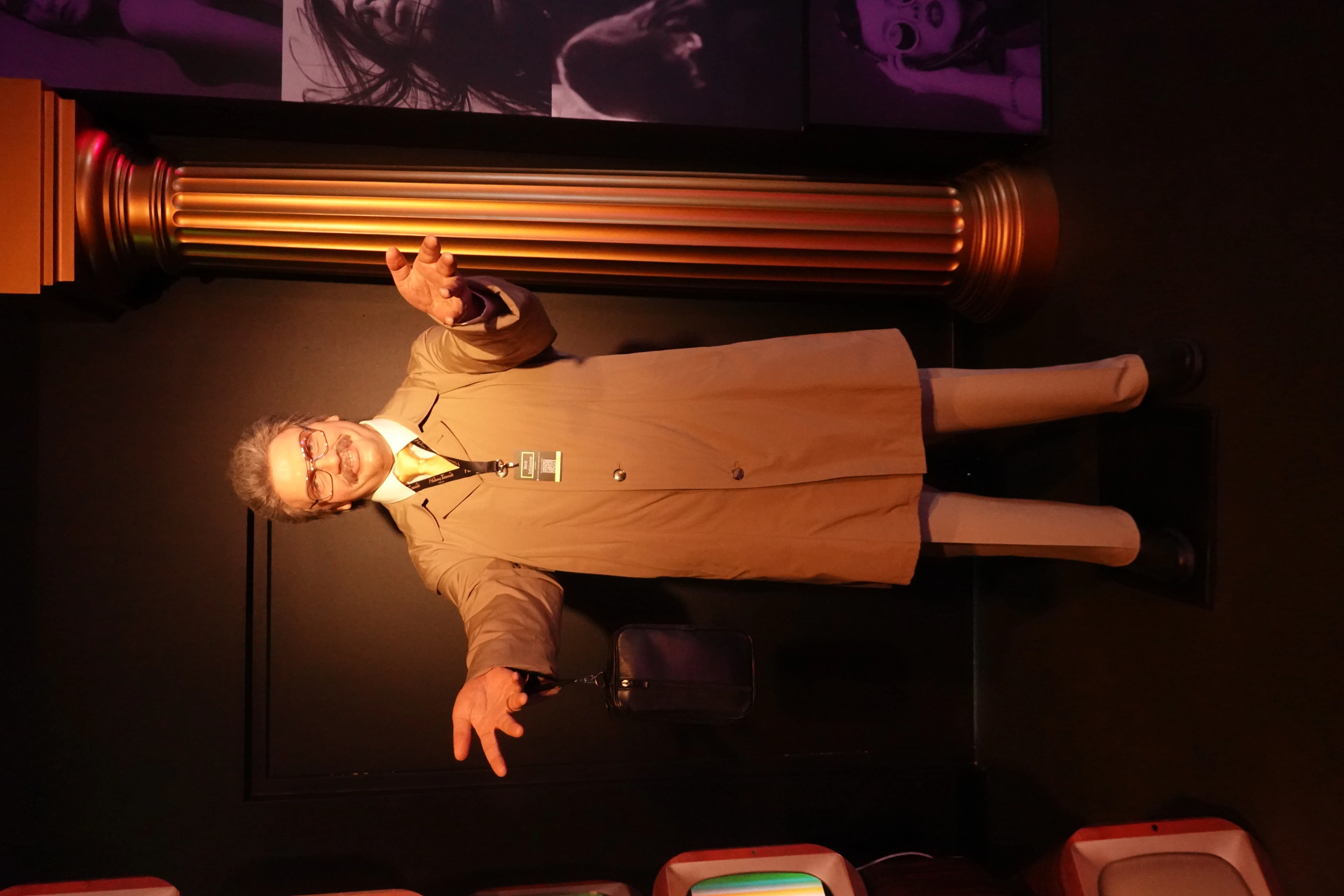
Image from Wikipedia
Image from Wikipedia
Horst Schlämmer – the legendary art figure bridging local journalism, satire, and cult status
A German comedy myth with unmistakable stage presence
Horst Schlämmer is one of the most distinctive art figures in German entertainment. Created in 2005 by Hape Kerkeling, he appears as the deputy editor-in-chief of the fictional Grevenbroicher Tagblatt, combining absurd self-overestimation with sharp socio-cultural observation. His influence extends far beyond sketches: Horst Schlämmer became a satirical character with his own media history, music, film appearances, and an unmistakable speech pattern.
The character functions as a caricature of a quirky local reporter who always asks "hard-hitting questions" and, with his trench coat, moustache, gasping breath, and rhetorical determination, shapes a unique pop icon. It is precisely this mix of comedy, recognizability, and societal exaggeration that made Horst Schlämmer one of the most successful figures within Kerkeling's universe. In German pop culture, he represents entertainment with character, timing, and high recognizability.
The emergence of a cult figure
Horst Schlämmer originally emerged for Hape Kerkeling's television format, where he was developed as both an annoying and lovable interviewer. The character works as the deputy editor-in-chief of an invented local paper and navigates through real and staged situations with a strong sense of mission. This connection to journalistic practice lends the character its satirical edge.
The official representation of the character highlights its distinctive external and linguistic features: ochre trench coat, small black handbag, gold ring, mullet, overbite, moustache, and the famous, old-fashioned tone. In addition, the character's language, with expressions like "Always janz discht dran und knallhart nachjefracht," makes Horst Schlämmer immediately identifiable. From a comedy role, he became an integral part of the German entertainment lexicon.
From the TV screen to the big stage
Horst Schlämmer quickly evolved from a TV character to a brand with its own recognition value. The character appeared in sketches, television shows, stage performances, films, songs, and advertisements. This media versatility made Schlämmer interesting to both audiences and press: He was not just a provider of punchlines but a malleable satirical entity for political and social observation.
Schlämmer's effect was particularly strong in situations where he engaged with real public events. Interviews at events, his portrayal as a local journalist with a tense posture, and his demonstrative tendency to exaggerate gave the character its unique performance quality. Through this, Horst Schlämmer became a character with stage presence that combines comedic precision and improvisational wit.
Film, satire, and political escalation
A central chapter in the history of Horst Schlämmer is his film appearance in "Horst Schlämmer – Isch kandidiere!" from 2009. In this film, the character translates his media principle into feature-length format, creating an own cinematic motif from political satire, provincial charm, and grotesque vanity. The film solidified Schlämmer's status as a pop culture figure, viable far beyond brief television appearances.
The character also played with political symbolism and campaign elements. As the chairman of the fictional Horst-Schlämmer-Party, Schlämmer became a parody of the political system and the media circus surrounding power, public image, and self-presentation. This blend of comedy and social critique made him a figure that rarely so clearly balanced slapstick and commentary within German humor.
Musical releases and discography
Although Horst Schlämmer is primarily a comedy character, he has a small but noteworthy musical trace in German pop and entertainment culture. Releases on Spotify include "Gisela (Isch möschte nischt...)", "Gisela", "Gisela/Grevenbroich bei Nacht", "Schätzelein - Full Mix", and the audio play album "Horst Schlämmer sucht das Glück (Original Hörspiel zum Kinofilm)." These titles demonstrate how closely music, character language, and satirical narrative are intertwined with Schlämmer.
The song "Gisela (Isch möschte nischt...)" appears in multiple versions and reached a remarkable audience according to available platform data. "Schätzelein" is also one of the character's most recognized musical moments and exemplifies the merging of comedy, Schlager elements, and ironic exaggeration. The discography remains manageable but thus develops the character of a cult-related side work with high recognizability.
Artistic development between humor, media character, and pop aesthetics
The artistic development of Horst Schlämmer follows less the logic of a classical music or film career than the dynamics of a media figure with steadily growing brand power. From a TV art figure to a song character and a cinematic persona, a role model emerged that works across various formats. The adaptability lies not in stylistic diversity but in the precise repetition of distinctive traits.
This very consistency makes Schlämmer interesting. He stays true to his tone, demeanor, and attitude, gaining effect precisely from that. The character thrives on elevating the mundane: from provincial gestures, local journalism, embarrassing approaches, and self-assured failures. In German comedy, this presents a rarely clear profile that requires no great transformations yet remains enduringly effective.
Press reviews and cultural placement
The media has repeatedly described Horst Schlämmer as a cult figure that oscillates between slapstick, social criticism, and surprising depth. NDR and WDR locate the character as a return of a known comedy icon that has already secured its place in German entertainment history. Both Zeit and Süddeutsche Zeitung emphasized in their reports the special status of the character within Hape Kerkeling's work.
Critics view Schlämmer not only as a comedic figure but as a precisely constructed caricature. The character parodies language, self-image, local patriotism, and media vanity in a form that is immediately comprehensible. This mix of keen observation and coarse exaggeration gives Horst Schlämmer cultural influence and explains why he has remained present over many years.
Current presence and future projects
Horst Schlämmer has remained present even in later years. The official Hape Kerkeling website refers to the return of the character in relation to "Horst Schlämmer sucht das Glück," a new film project released in 2026. There, Schlämmer is once again portrayed as a searching reporter embarking on a journey through the republic, utilizing what the character does best: asking questions, causing irritation, and observing.
Additionally, he is integrated into various current entertainment formats, such as appearing as a character in "LOL: Last One Laughing." This later presence shows that Horst Schlämmer does not function as a nostalgic relic but as a still-viable comedy figure with high recognizability. His career remains part of the ongoing German pop and television history.
Style, language, and recognizability
Horst Schlämmer thrives on a linguistic style that is instantly catchy. Dialect, false etiquette, charmingly intrusive questions, and a consciously awkward grammar create a comedic language that defines the character within a tight space. His sentences sound as though they are from a different journalistic era, where local reporting, macho behavior, and provincial pathos intersect.
Visually, the character is maximally effective with minimal resources. The trench coat, handbag, glasses, and beer belly function like an iconic stage costume. This reduction makes Schlämmer immediately recognizable and gives each scene a clear comedic signature. In the logic of art character and performance, this is a prime example of precise character design.
Cultural influence and legacy
Horst Schlämmer has established himself as a fixed entity in German comedy. The character embodies satire with local roots, media exaggeration, and the art of transforming a small role model into a lasting pop phenomenon. His influence is evident in that terms, gestures, and speech nuances are still associated with him today.
The legacy of the character lies in its combination of credibility and absurdity. Horst Schlämmer never appears accidental but is like precisely honed material from Kerkeling's comedic workshop. It is precisely for this reason that the character remains captivating: It represents provincial poetry, journalism parody, and a German humor icon all in one. Those who experience Schlämmer live or in his film and stage performances encounter an art figure that has long become a piece of cultural history.
Conclusion: Why Horst Schlämmer continues to fascinate today
Horst Schlämmer is more than just a punchline character. He unites satirical sharpness, media versatility, musical side works, and an extraordinarily strong stage presence. His career illustrates how an art figure can conquer new contexts over the years without losing its core.
This very mix of recognizability, linguistic wit, and cultural exaggeration makes him exciting. Horst Schlämmer remains a prime example of how German comedy creates characters that are memorable and functional over decades. Those who experience the character in his performances, films, and songs immediately understand why he has reached cult status.
Official channels of Horst Schlämmer:
- Instagram: No official profile found
- Facebook: No official profile found
- YouTube: No official profile found
- Spotify: https://open.spotify.com/artist/0SQl00k0mnLrW0tnBDuI10
- TikTok: No official profile found
Sources:
- Hape Kerkeling - official website
- Hape Kerkeling Figures - official website
- Spotify - Horst Schlämmer
- WDR - Horst Schlämmer: Hape Kerkeling's art figure returns
- NDR - Horst Schlämmer's comeback: Why he is more agreeable now
- DIE ZEIT - Horst Schlämmer: Relaxed from ochre
- Süddeutsche Zeitung - Review of "Horst Schlämmer sucht das Glück"
- Wikipedia: Horst Schlämmer